
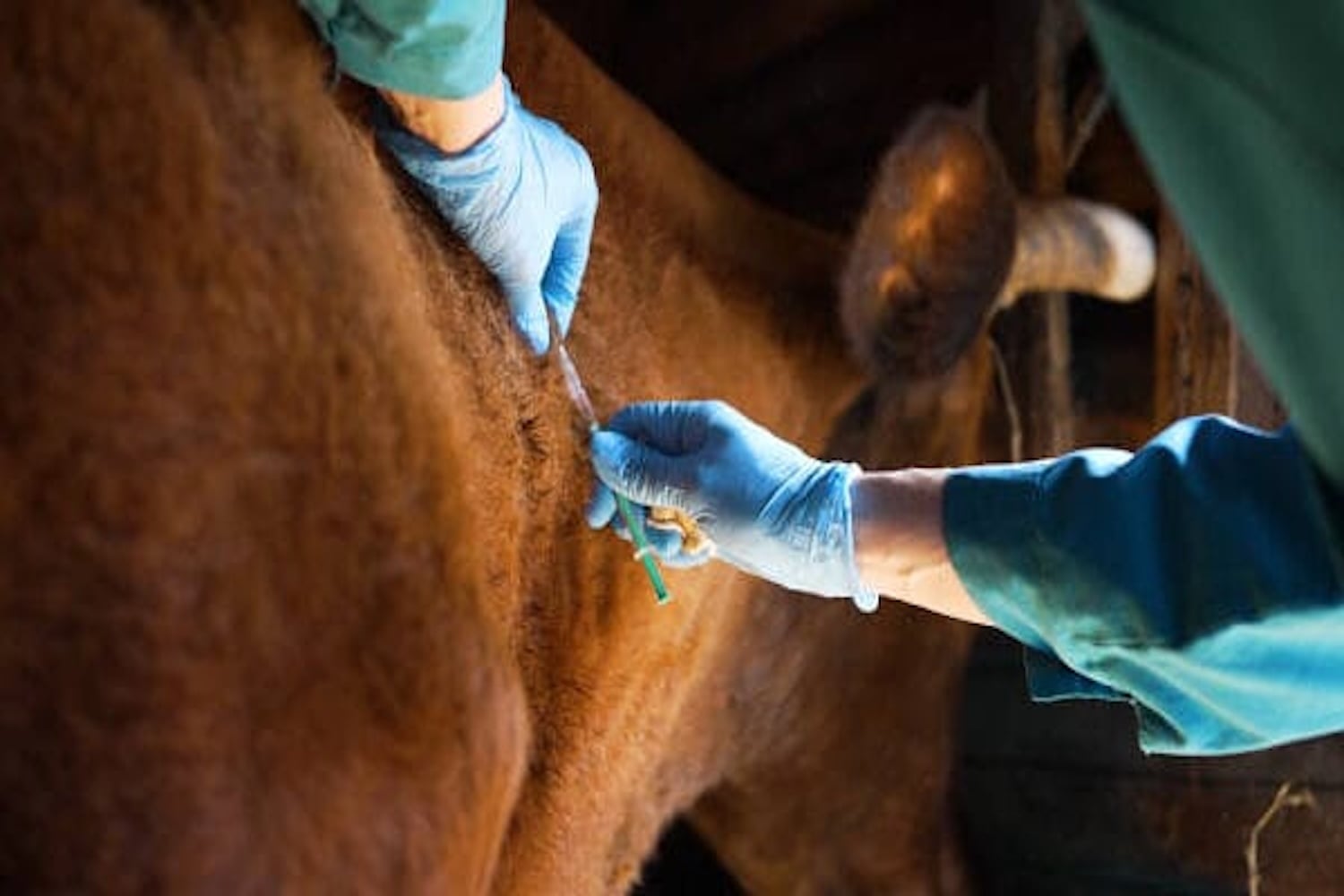
The ARC vaccine is an effective defence against domestic FMD strains and requires only one administration annually The Agricultural Research Council (ARC) has approved a proposal to allow private companies to manufacture its foot-and-mouth disease (FMD) vaccine at scale, as the government moves to address production constraints amid the outbreak. Agriculture Minister Willie Aucamp announced on Tuesday that the ARC and its board had unanimously agreed to the proposal on Monday. The decision will allow qualifying local and international companies to use the ARC’s intellectual property (IP) under conditional licensing agreements to increase vaccine availability. Private sector to help address vaccine shortages The ARC vaccine is an effective defence against domestic FMD strains and requires only one administration annually. However, the council’s current manufacturing constraints have prevented it from producing the vaccine at scale. The department said allowing private companies to manufacture the vaccine under licensing agreements would help overcome these constraints and icrease its availability. Following the board meeting, Aucamp said the partnership marked a significant development in efforts to protect South Africa’s livestock sector. “Partnering with the private sector to manufacture the ARC vaccine marks a decisive breakthrough in safeguarding South Africa’s livestock sector, strengthening national biosecurity, and securing food supply chains,” he said. Aucamp said he had listened to concerns raised by farmers and other stakeholders, who wanted swift action to address the outbreak. “I’ve listened to the concerns of farmers and other stakeholders in the sector, and I appreciate that they want swift action to deal with this Foot and Mouth Disease outbreak,” he said. He added that the decision would, for the first time, allow private companies to use the ARC’s intellectual property to increase vaccine availability. ARC to retain and expand production capacity Despite bringing in third-party assistance, the ARC will continue working to rebuild and expand its own FMD vaccine manufacturing capacity. The department said any income the council receives through the licensing agreements would be ring-fenced and used exclusively to increase its own vaccine production capacity. Aucamp acknowledged that implementing the decision would take time but said all parties had committed to moving forward without delay. “Although the implementation of this decision will not happen overnight, it is a huge step forward in combating this FMD outbreak, and I am proud to confirm that all parties involved have committed to do whatever they can to ensure that this decision is implemented without delay,” he said. The department did not specify when private companies would begin manufacturing the vaccine or how much additional production capacity the agreements would deliver. More vaccine-matching assessments planned In a further development, the ARC will submit representative FMD field-circulating virus isolates from South Africa to the Pirbright Institute in the United Kingdom in October. The submission follows a request from Aucamp and will form part of a second round of vaccine-matching assessments. According to the department, the exercise aims to provide an additional scientific assessment of how suitable available local and imported vaccines are against FMD viruses currently circulating in South Africa. The Department of Agriculture said it would continue working with commodity organisations, provincial veterinary services, the ARC, organised agriculture and other stakeholders to strengthen the country’s FMD control programme.
Private sector to help boost local FMD vaccine production
Full Article
Original Source
Read the full article at Citizen →KhanList aggregates and links to publicly available news content. We do not host full articles from third-party sources. Always verify important information with original sources.