
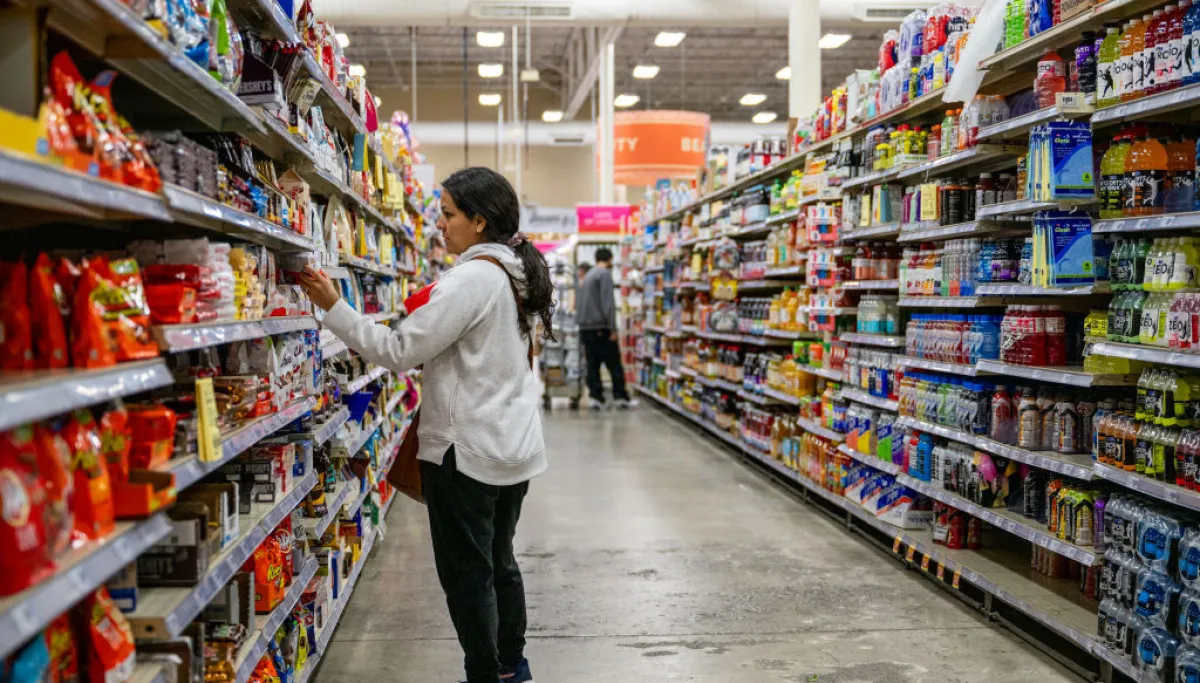
Prices rose 0.4% in October, the Bureau of Labor Statistics reported in an update to the consumer price index, the first such report since Democrats swept the midterm elections.The monthly inflation reading is higher than most economists had expected. Because of the government shutdown last October, the BLS did not publish how much inflation increased on a 12-month basis. The BLS also looks at “core” inflation, a measure that strips out volatile food and energy prices. Core prices rose 0.3% in October, the same as the month before.The latest CPI report comes one week after the midterm elections, which were defined by voters’ dissatisfaction with high prices. Higher inflation this year helped Democrats win, as voters cited the economy as the biggest issue on their minds heading into the polls.“There was just a huge political shift and change of control in Congress during the Midterms and the reason couldn’t be any more plain,” said Chris Rupkey, chief economist at FWDBONDS. “Inflation isn’t dead, it is very much alive and the cost of living crisis rages on.”Numerous surveys heading into the election showed that many voters blame Trump for the recent rise in prices and for not returning inflation to healthy levels after running on doing so in the 2024 presidential election.The high inflation rates in recent months have been driven mostly by the higher energy prices stemming from the war in Iran, but the October report shows that the inflation is broad-based. A 0.3% increase in shelter prices, notably, drove over 30% of the total increase in the index in October.The run-up in grocery store prices extended into October, with prices up 0.3% in the month. In the past five years, food prices are up nearly 30%.And drivers saw no relief from elevated gas prices in October, when prices rose another 1%. On the year, gas prices are up nearly 40%.The Federal Reserve’s target is 2% inflation gauged on an annual basis. Prior to the war, annual consumer price index inflation had dropped as low as 2.4% in January.In September, the Fed, led by Trump’s pick for chairman, Kevin Warsh, raised interest rates for the first time in defiance of the president’s wishes. The Fed raised its interest rate target by 0.25 percentage points to a range of 3.75% to 4%, a move that was done to help drive down price growth.But at its most recent meeting, less than a week before the midterm elections, Warsh and the Fed voted to hold interest rates steady.Most investors anticipate that the Fed will hike rates one more time by the end of the year when it next meets in early December.THE DETAILS SHOW OCTOBER’S JOBS REPORT WAS IMPRESSIVELY STRONGMeanwhile, the labor market has given the central bank some ammunition to hike rates, given that unemployment remains historically low. The economy added 165,000 new payroll jobs in October, the Bureau of Labor Statistics reported last week.The unemployment rate fell a tenth of a percentage point to 4.1%.
Prices posted sharp 0.4% increase in October, showing inflation threat
Full Article
Original Source
Read the full article at Washingtonexaminer →KhanList aggregates and links to publicly available news content. We do not host full articles from third-party sources. Always verify important information with original sources.