
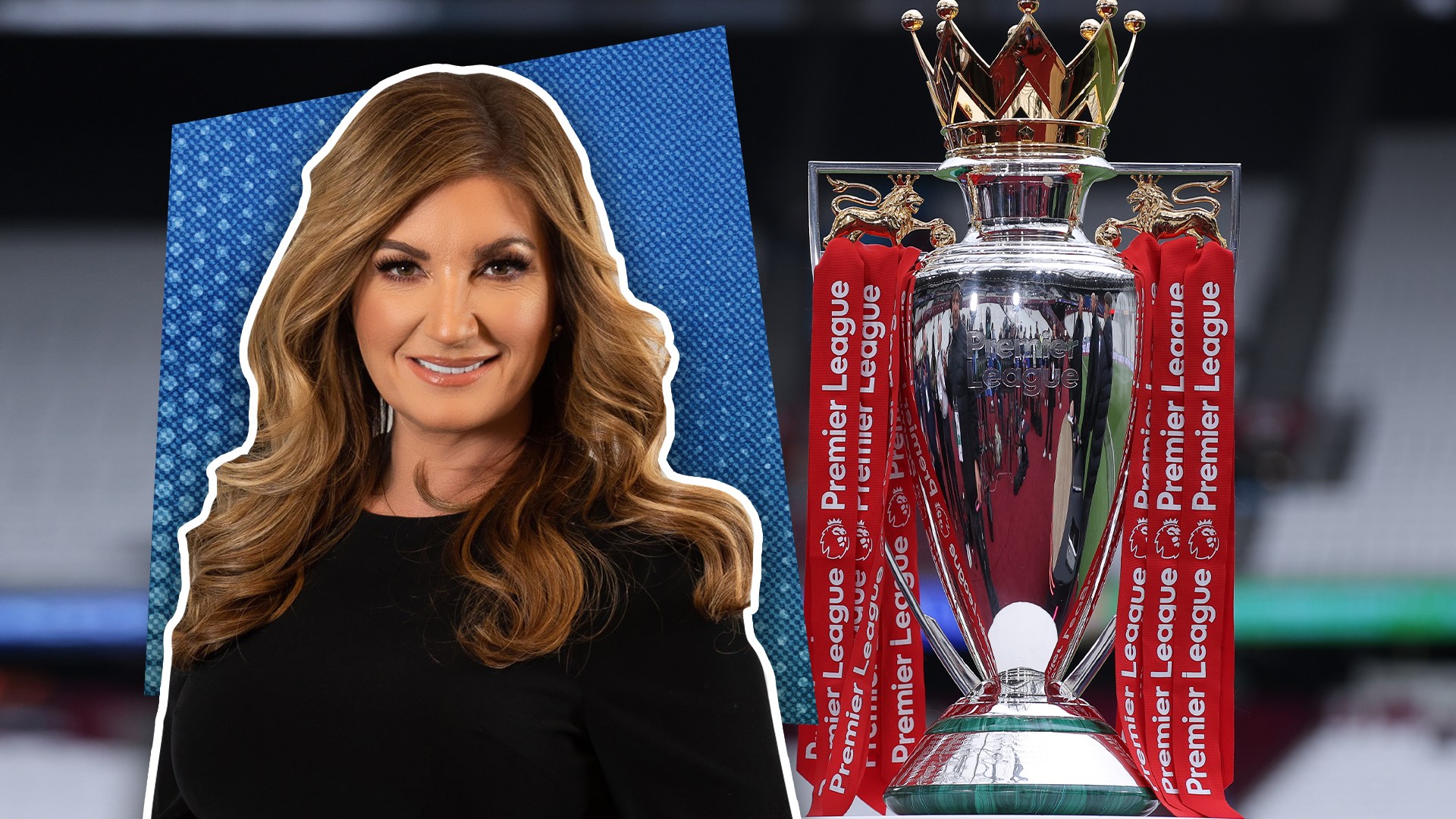
WHEN the Premier League was created in 1992, the principle was simple: 20 clubs, one share each, one vote each. Thirty-four years later, the voting structure has barely changed. The balance of power certainly has. Premier League clubs theoretically hold equal power Credit: Getty Karren Brady spent more than 30 years in football Credit: AFP It still operates on the principle of collective decision-making. But anyone who has sat around that table knows having an equal vote and having an equal influence are not remotely the same thing. I spent much of my 30-plus years in football sitting at the Premier League table watching it become the world’s most commercially successful domestic competition. Sign up for the Arsenal newsletter Thank you! I have also seen the financial gap between the biggest clubs and everyone else become enormous. That inevitably changes the politics. The Premier League requires 14 clubs to agree to change its rules. On paper, that protects the collective. In reality, it means six clubs can make it extremely difficult to get anything through. That is where influence matters. The Big Six — Manchester United, Manchester City, Liverpool, Arsenal, Chelsea and Tottenham — have enormous financial and political weight. If they are united, they do not need to control the room. They just need to ensure 14 votes for change cannot be assembled. Most read in Sport BEST FREE BETS AND BETTING SIGN UP OFFERS We have seen how powerful those relationships can become, with clubs such as Newcastle — backed by Saudi Arabia’s Public Investment Fund — finding themselves aligned with positions favoured by the bigger clubs. Again, that is not necessarily sinister. It is football politics. Clubs vote according to what they believe is in their interests. But it does demonstrate the difference between having one vote and having influence over others. And there is an interesting history here. The Big Six were once a much closer political bloc. Then came the European Super League, a spectacular own goal which blew the alliance apart. The backlash was enormous and the clubs involved were left having to explain themselves. Whatever private relationships existed between them before, the Super League made the group far harder to sustain publicly. There was embarrassment, mistrust and fallout. For a while, the Big Six looked anything but united. Now they seem to have rediscovered the benefits of acting together when their interests coincide. That should concern the rest of the Premier League — not because the biggest clubs are doing anything wrong, but because the league has to make sure its collective interests are not simply the sum of the ambitions of its most powerful members. The danger is that the six biggest voices become so powerful that the other 14 discover their votes are technically equal but politically very different. The Premier League’s genius has always been that 20 competitors agree to operate one competition. Its future depends on remembering that the word that matters most in that sentence is not competitors. It is one. Comment now
Premier League big dogs were shamed by Super League but they’re back to self-interest and you can’t quiz their owners
Full Article
Original Source
Read the full article at Thesun →KhanList aggregates and links to publicly available news content. We do not host full articles from third-party sources. Always verify important information with original sources.