
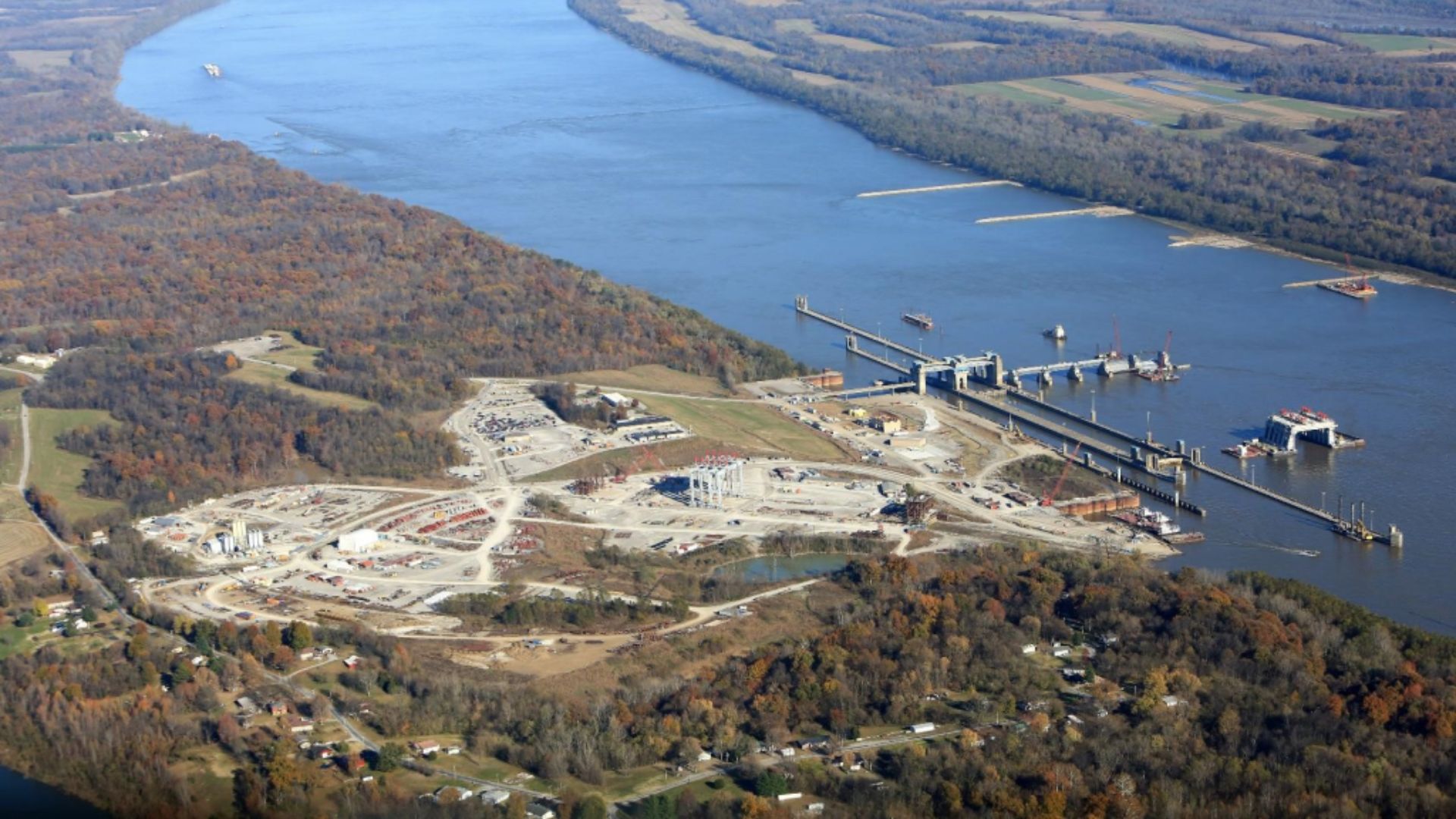
New research has concluded that retrofitting selected non-powered dams across the United States could produce up to 15.2 terawatt-hours of electricity per year. This output is capable of supplying power to over 1.4 million homes. This technical benchmark comes from an analytical study conducted by researchers at Oak Ridge National Laboratory and Idaho National Laboratory. Engineers derived the figure using HydroGenerate, an open-source software platform developed by the Idaho team. The software models power production by pairing turbine performance curves with hydraulic head, which measures the potential energy created by water elevation behind a dam. It also calculates a site-specific design flow to indicate the exact turbine dimensions needed for peak operating efficiency. To establish this metric, the system processes daily historical records from the US Geological Survey’s stream gage network alongside Dayflow, an Oak Ridge dataset that routes runoff across American river channels. Multi-stream data architecture This multi-stream data architecture marks a shift from past national assessments, which estimated potential capacity between 12 and 30 gigawatts. Earlier models relied on broad hydrological assumptions and missed practical engineering hurdles. By simulating various turbine types against actual site conditions, HydroGenerate accounts for seasonal flow changes and existing structural limits. Because non-powered dams manage navigation, water supplies, and flood control, their discharge patterns cannot change merely to run turbines. “Many of these dams already serve other critical purposes, and their operational constraints — such as flood control or navigation — can significantly limit hydropower development,” added Carly Hansen, the project’s principal investigator and lead author of the report. “We’ve worked to reflect those limitations in a way that hadn’t been done before.” “The recent assessment identified a total potential capacity of 4 gigawatts across a subset of more than 2,600 NPDs, with individual facilities averaging 1.5 megawatts,” highlighted ORNL. Data deployed across multiple platforms This constitutes a substantial addition to the country’s energy portfolio, given that only 3 percent of all domestic dams are equipped for power generation. Federal facilities make up 86 percent of this newly identified capacity, with candidate sites clustered heavily in the Great Lakes basin and along the upper Mississippi River. To support independent analysis, the team deployed the underlying data and software across multiple public platforms. Project developers can download the HydroGenerate package to run their own feasibility checks with local flow data. Next phase of the project Users can also cross-examine candidate locations against regional power grids and river networks through Oak Ridge’s HydroSource digital mapping tool. Alongside these resources, the NPD Hydro portal hosts the NPD Insights catalog for site rankings, as well as the NPD Toolkit, which models payback periods while weighing environmental, community, and electrical grid considerations. Funded by the Department of Energy’s Office of Critical Minerals and Energy Innovation through its Hydropower and Hydrokinetic Office, the research team is now preparing the next phase of the project. Upcoming updates will introduce multi-decade precipitation and streamflow variations into the software, while expanding field evaluations to include non-powered dams throughout Alaska and Hawaii. Get the latest in engineering, tech, space & science - delivered daily to your inbox.An active and versatile journalist and news editor. He has covered regular and breaking news for several leading publications and news media, including The Hindu, Economic Times, Tomorrow Makers, and many more. Aman holds expertise in politics, travel, and tech news, especially in AI, advanced algorithms, and blockchain, with a strong curiosity about all things that fall under science and tech.
Powering 1.4 million US homes: Untapped dams could generate 15.2 TWh electricity
Full Article
Original Source
Read the full article at Interestingengineering →KhanList aggregates and links to publicly available news content. We do not host full articles from third-party sources. Always verify important information with original sources.