
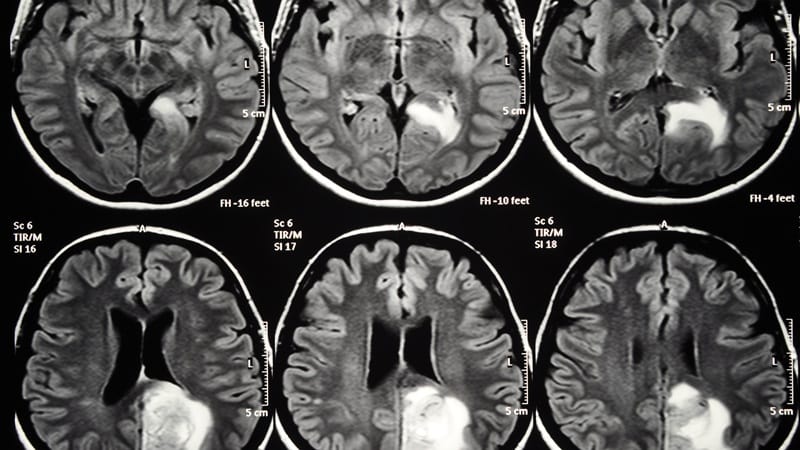
The Stupp protocol, which combined surgery, radiation therapy, and chemotherapy with temozolomide, was developed in 2005 and remains the global gold standard for glioblastoma treatment today. “Unfortunately, the protocol has not yet been surpassed. After 21 years, we need better treatments,” Roger Stupp, MD, is chief of neuro-oncology in the Department of Neurology and the Paul C. Bucy professor of Neurological Surgery at Northwestern University, Evanston, Illinois, told Medscape’s Portuguese edition. He is also a professor of medicine (hematology and oncology) and the creator of the protocol. The statement followed his lecture at the XXVII Brazilian Congress of Clinical Oncology, held November 5-7, 2026, in Rio de Janeiro, Brazil, where he discussed approaches that could change glioblastoma treatment in the future.The treatment regimen included surgery, when possible, and a combination of radiation therapy with temozolomide for 6 weeks; thereafter, during the maintenance phase, temozolomide is used alone in monthly cycles for 6 months. Although conventional treatment offered clinical benefit, most patients have tumor recurrences, and only 1 in 10 survive more than 5 years after the initial diagnosis.During the lecture, Stupp discussed the possible molecular mechanisms of resistance to immunotherapy, as well as the use of pembrolizumab in patients with recurrent glioblastoma. The drug is a programmed cell death protein 1 inhibitor, an immune checkpoint that acts as a regulatory “brake,” according to the analogy used by the specialist. What pembrolizumab does is “release that brake” so that immune cells can fight the cancer.However, Stupp noted that pembrolizumab has shown limited efficacy in glioblastoma due to the immunosuppressive tumor microenvironment and difficulties in penetrating the blood-brain barrier.Access to the tissue is also a problem, according to Stupp. “We’ve made great strides in leukemia and lymphoma — conditions in which we have circulating tumor cells and can simply test the blood. In early-stage breast cancer, we also find circulating tumor cells. But when it comes to the brain, we must avoid repeated biopsies as much as possible,” he said.Another therapeutic challenge, Stupp added, is controlling cell migration and diffuse invasion through the brain parenchyma. In a study presented, Stupp and his team analyzed cilengitide — an experimental drug with antiangiogenic action — in combination with the Stupp protocol and succeeded in reducing tumor infiltration and diffuse migration through the brain parenchyma.However, the CENTRIC Phase 3 study, published in the journal The Lancet Oncology, yielded negative results: The researchers found that adding cilengitide to chemoradiotherapy with temozolomide did not improve outcomes. “The anti-migration strategy was good, but we probably weren’t using the best drug,” noted Stupp.Ultrasound and Yttrium-90 Radioembolization Under StudyAmong the strategies discussed by Stupp to temporarily make the blood-brain barrier permeable, one used ultrasound: He and his team used the technology to administer a small dose of a combination of doxorubicin and immune checkpoint-blocking antibodies. The device generated microbubbles that temporarily opened the barrier, allowing the immunotherapy to reach the brain.The study using this technique, published in Nature Communications, formed the basis for the first clinical trial using ultrasound to deliver immunotherapies for the treatment of glioblastoma. “There are advances in therapeutic ultrasound that we can explore further; it’s certainly something we’ll continue to pursue,” said Stupp.In the FRONTIER Phase 1 study, Stupp and his team are evaluating the safety of radioembolization with the radioactive isotope yttrium-90 to treat recurrent glioblastoma, a well-established and approved strategy for treating liver tumors. Instead of traditional external beam radiation therapy sessions, yttrium-90 microspheres are injected intra-arterially via a microcatheter into the blood vessels feeding the brain tumor and release short-range radiation into the tumor cells over the course of a few weeks.The study involved four institutions in the US and 30 patients. “The results are better than I expected, but this applies to a selected group of patients,” reported Stupp.Vorasidenib for Low-Grade Gliomas With Isocitrate Dehydrogenase MutationsAs for low-grade gliomas (grade 2), vorasidenib, a targeted therapy drug, was recently approved by the US Food and Drug Administration and by the Brazilian Health Regulatory Agency.The oral medication is considered the greatest advance in two decades for low-grade gliomas and directly blocks the mutated isocitrate dehydrogenase-1 and isocitrate dehydrogenase-2 enzymes. In clinical trials, vorasidenib reduced the risk for disease progression or death by 61% and significantly delayed the need for chemotherapy and radiation therapy.Since glioblastoma is defined by the absence of these mutations, the drug had no molecular target in tumor cells.Regarding glioblastoma, Stupp chose not to speculate on timelines for new advances. “I hope it doesn’t take another 20 years before we see another breakthrough like temozolomide,” he concluded.This story was translated from Medscape’s Portuguese edition.
Possible Approaches to Glioblastoma Treatment
Full Article
Original Source
Read the full article at Medscape →KhanList aggregates and links to publicly available news content. We do not host full articles from third-party sources. Always verify important information with original sources.