
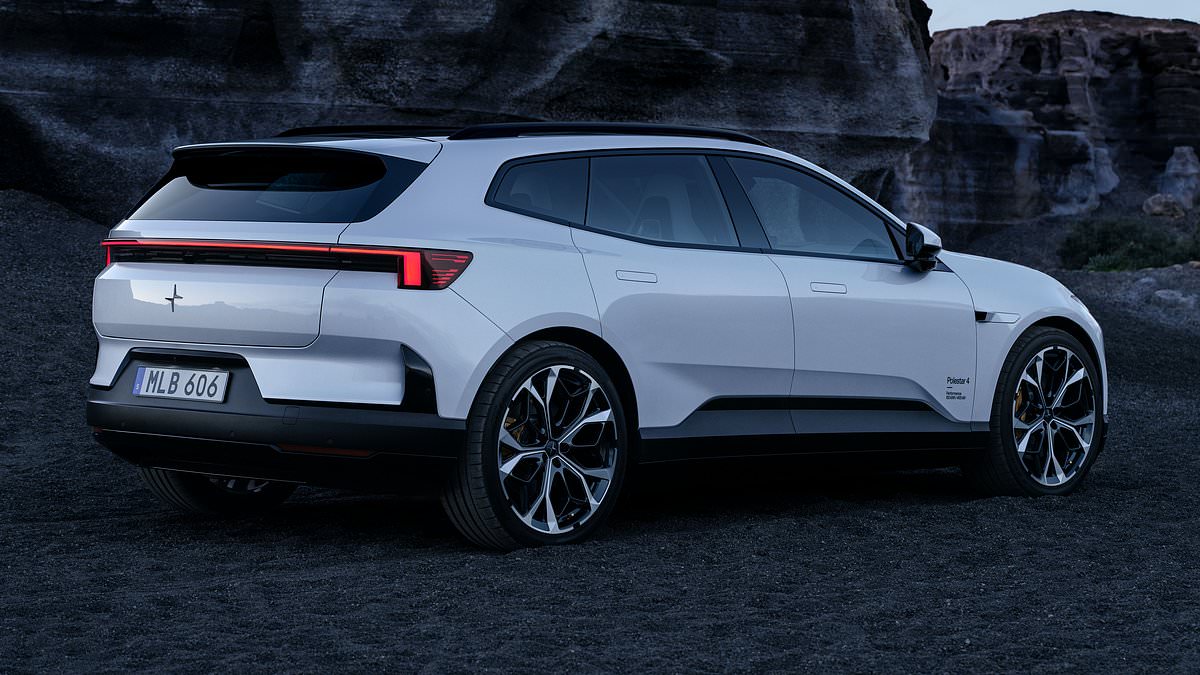
The Polestar 4 is famous, or infamous depending on your point of view, for being the first production car sold without a rear window.The sleek £56,750 five-door electric coupe, which relies on a rear-facing camera to show drivers what's behind them, has been a major success for the Swedish EV brand since launching in 2024.Last year it was one of the company's best-selling models as it shifted just over 60,000 vehicles worldwide.Now there's a new version: the Polestar 4 SUV.While it shares the coupe's underlying EV architecture, it adopts a boxier body style and, crucially, reinstates a conventional rear window.That said, customers can still opt for a digital rear-view camera if they prefer, or if rear-seat passengers are obstructing the view.The squarer shape brings the benefits of increased boot space and additional rear headroom. Polestar has also upgraded the interior technology to ensure it competes with long-range EV rivals such as the BMW iX3 and Volvo EX60.And the extra practicality comes with an added bonus: a lower price. The new Polestar 4 SUV has arrived with estate-car looks, a longer range and a significant boost in practicality. It's cheaper than the 4 coupe, too The most controversial feature of the original Polestar 4 coupe (left) is its omission of a rear window. The SUV goes back to tradition with glassStarting at £54,750, the Polestar 4 SUV undercuts the coupe by £2,000.Like its sleeker sibling, it is offered in Rear Motor and Dual Motor forms, while a range-topping 536bhp Performance version will follow next year.The revised bodywork, which retains the aerodynamic benefits of a flat-roofed estate, combined with new tyres and updates to the electric motors, has also boosted efficiency.As a result, the 100kWh battery delivers more range than in the Polestar 4 Coupe.On a full charge, the Rear Motor model can travel up to 391 miles, while the Dual Motor version manages 373 miles. That's a six-mile improvement over the coupe.Although this helps make the Polestar 4 SUV more competitive, it still falls some way short of the 500-mile figures claimed by the BMW and Volvo models it rivals.Charging performance also lags behind some competitors. DC rapid charging peaks at 200kW, which is half the maximum charging speed offered by the BMW iX3.There are chassis upgrades, too.The 4 SUV features revised spring and damper settings designed to improve both handling response and ride comfort on rougher roads. The 21-inch and 22-inch wheel designs are also unique to the SUV. The revised bodywork, which retains the aerodynamic benefits of a flat-roofed estate, combined with new tyres and updates to the electric motors, has also boosted efficiency On a full charge, the Rear Motor model can travel up to 391 miles, while the Dual Motor version manages 373 miles. That's a six-mile improvement over the coupeNew look brings practicality boostWhether you prefer the SUV's styling over the coupe's comes down to personal preference but the move to a more conventional body shape undeniably improves practicality.The return of a rear window provides obvious visibility benefits and should also make the rear cabin feel less claustrophobic.For buyers who still favour the digital rear-view system, the camera is housed beneath the rear spoiler and can be cleaned by the rear wiper. The boxier proportions bring some obvious practicality improvements... The boot is 30 litres larger than the 4 coupe. And because it has a square boot lid, the space is easier to pack There is also more headroom for passengers in the second row. The addition of a glass rear window should also make it less claustrophobicThe boxier rear end increases boot capacity to 530 litres, which is 30 litres more than the coupe – roughly the equivalent of an extra medium-sized rucksack.That also gives it more luggage space than both the BMW and Volvo alternatives.Fold down the rear seats and total cargo capacity, including the 15-litre front boot, rises to 1,665 litres. That's slightly more than the EX60, though still more than 100 litres shy of the iX3.'Polestar 4 SUV broadens the appeal of our most successful model and extends our product offering in one of the industry's most important segments.'With more space, more utility and more opportunities for adventure, it stays true to the design, technology and driving experience that define Polestar,' said Michael Lohscheller, Polestar's CEO. The infotainment screen now has a customisable home screen, and the system is also backed by Google Gemini AI Tech upgradeWith in-car technology becoming increasingly important to buyers, Polestar has responded by enhancing the features available in the 4 SUV.The 15.4-inch infotainment touchscreen has been redesigned to allow owners to customise the home screen, while Google Gemini AI integration enables drivers to use natural voice commands for tasks such as entering a destination into the navigation system or changing radio stations.Polestar says the updates will not be exclusive to the SUV, with existing Polestar 4 Coupe owners set to receive the same software improvements via over-the-air updates. Polestar expects 70% of 4 customers to be SUVs rather than coupes - and that's mostly due to the lower price. It is predicted to become the company's best-selling model from 2027Polestar 4 SUV expected to become UK best-sellerPolestar expects 70 per cent of British buyers to choose the 4 SUV over the coupe, which would could make it the brand's best-selling model in the UK.A key reason is its lower starting price, with the entry-level Rear Motor SUV costing around £2,000 less than the equivalent coupe.The Dual Motor 4 SUV starts from £60,750, a £6,000 premium over the rear-driven version but £3,000 less than the twin-motor coupe.Order books are now open, with models equipped with the Performance Pack priced from £68,250.
Polestar 4 SUV arrives with a £2,000 price cut compared to the electric coupe - and brings back the rear window
Full Article
Original Source
Read the full article at Dailymail →KhanList aggregates and links to publicly available news content. We do not host full articles from third-party sources. Always verify important information with original sources.