
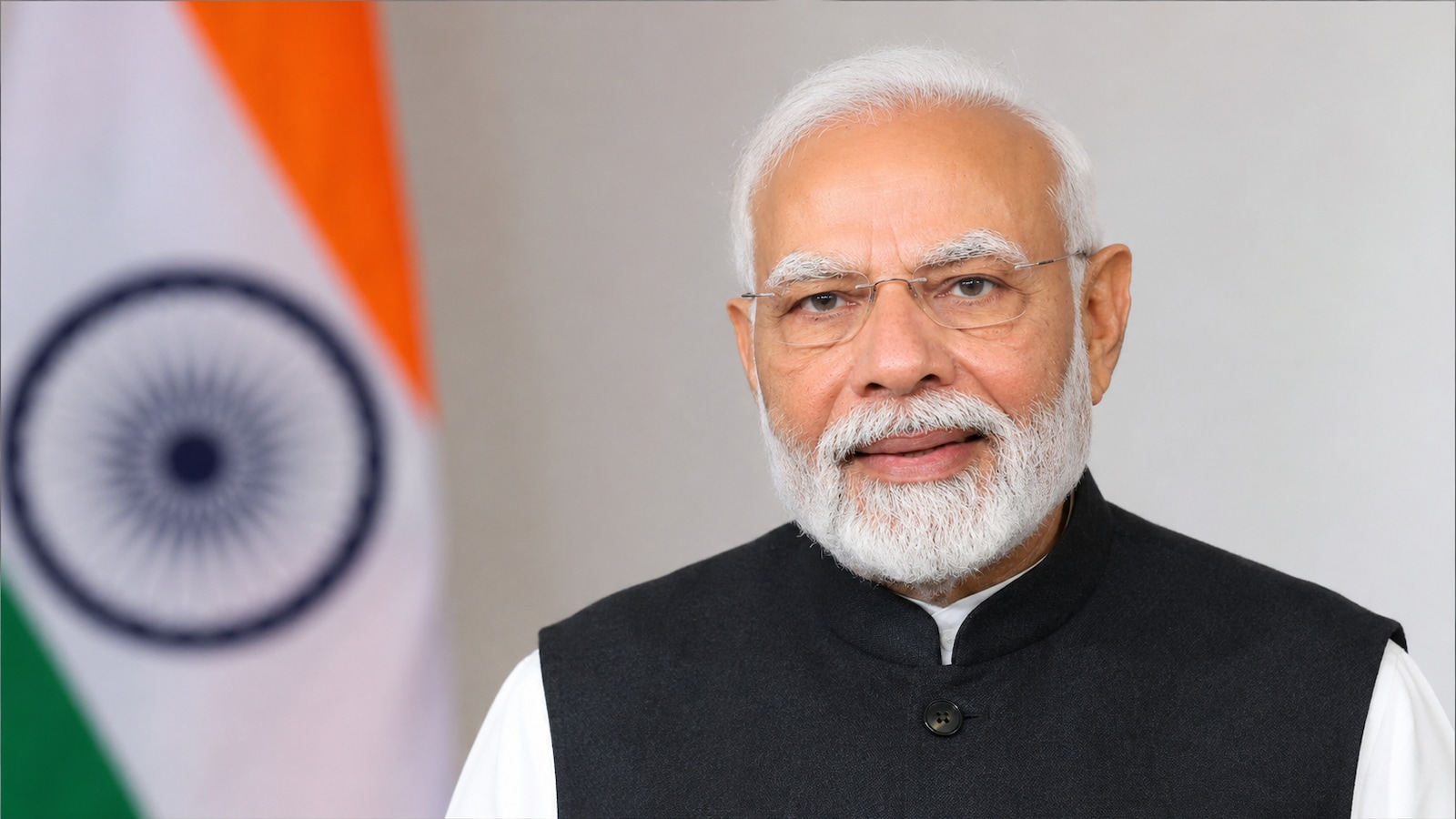
Prime Minister Narendra Modi called for a sharper, more collaborative approach to India's water security, asking states to learn from successful interventions elsewhere, adopt water saving technologies and use artificial intelligence to improve water data and planning.Chairing the valedictory session of the two day National Departmental Summit on Water organised by the Ministry of Jal Shakti, PM Modi said the exercise should not end with the summit. He called for continuous review and follow up of the actionable and time bound outcomes that emerged from the discussions.The summit, the first in a series of departmental summits envisioned by the Prime Minister, brought together ministers and senior officials from states and Union Territories. The broader objective is to strengthen the spirit of Team India, deepen cooperative federalism and encourage Centre and states to take collective ownership of national priorities.According to sources, PM Modi urged water ministers to focus on tangible improvements in water management in their respective states. He also suggested structured inter State study visits, with public representatives, officials and farmers visiting other states to understand successful models and explore how they can be adapted to local conditions.Four Priorities For India's Water SecurityThe September 1 and 2 summit focused on four key areas: faster completion of water infrastructure projects, strengthening Jal Sanchay Jan Bhagidari with an emphasis on rainwater conservation, ensuring the long term sustainability of drinking water sources and improving the operation and maintenance of rural drinking water schemes under Jal Jeevan Mission 2.0.The discussions stressed time bound action to increase public participation in water conservation, protect drinking water sources and improve the availability and reliability of drinking water in rural areas.PM Modi emphasised that water conservation cannot remain solely a government responsibility. Greater public participation, he said, will be crucial to turning conservation into a sustained people's movement.PM's "Jal Utsav" PushWith a focus on Jan Bhagidari, the Prime Minister suggested promoting "Jal Utsav" to build greater public awareness around water conservation.He also called for making de silting a regular exercise and developing clear criteria and standard operating procedures for it.On dam safety, PM Modi stressed rigorous preparedness ahead of every monsoon, strict adherence to prescribed precautions and greater awareness among school students. He suggested that water and dam safety related awareness could also be suitably incorporated into educational curricula.States Told To Learn What WorksA key message from the summit was that states should not have to reinvent solutions that have already worked elsewhere.PM Modi encouraged states to showcase successful experiments and urged ministers and officials to study models developed in other states. The idea is to replicate effective interventions while adapting them to local geography and requirements.Chhattisgarh Chief Minister Vishnu Deo Sai also presented the state's water conservation model at the summit.The Prime Minister's suggestion for structured inter State visits involving elected representatives, officials and farmers is aimed at turning such exchanges into practical learning exercises rather than one off interactions.2 Crore Water Structures By May 2027The summit also discussed a target of creating 2 crore new water conservation structures by May 31, 2027.The emphasis is on capturing rainwater where it falls, improving local water availability and strengthening groundwater recharge.PM Modi's message, "Jal jahan gire, wahin sanchit karein", reflects the approach of conserving rainwater as close as possible to where it is received, while allowing states to tailor implementation to their own requirements.The larger goal is to conserve every possible drop and strengthen water security through community participation.AI To Strengthen Water Data GovernancePM Modi also called for robust water data governance, with water sector data brought together, systematically managed, analysed and effectively used.He recommended the use of AI for data collection and analysis through a uniform format. Better data, he stressed, should support anticipatory and integrated planning, particularly in dealing with water scarcity.The Prime Minister also called for greater use of treated water for agriculture and industrial purposes wherever suitable.He urged universities and higher educational institutions to strengthen knowledge and capacity in water management and governance.Water Saving Technology, Global Best PracticesThe Prime Minister called for wider adoption of technologies that can reduce water consumption.He suggested dedicated exhibitions and workshops, including exposure to global best practices, so that Indian manufacturers and other stakeholders can develop and scale efficient water saving solutions.PM Modi also called for sensitising Urban Local Bodies to the challenges created by rapid urbanisation, population growth and future water requirements. He suggested that similar Chintan Shivirs could be organised for Urban Local Bodies.Drawing on his experience as Gujarat Chief Minister, PM Modi said water scarcity can be turned into an opportunity through systematic planning, commitment, adequate resources and capable officials.From Centre Versus States To Team IndiaThe water summit is the first of the departmental summits planned on the Prime Minister's direction.The format is intended to bring political leadership and senior officials from the Centre and states together to identify sector specific challenges, share best practices and prepare time bound action plans.The larger objective is to move beyond a Centre versus states approach towards a stronger Team India model, with governments working together on national priorities and learning from successful interventions across the country.Union Jal Shakti Minister C R Patil highlighted four key outcomes of the summit: faster completion of water infrastructure projects, making water conservation a sustained people's movement, ensuring long term sustainability of drinking water sources and institutionalising effective operation and maintenance of rural drinking water schemes.The two day summit therefore ended with a broader message: finish water projects on time, make conservation a people's movement, protect drinking water sources, use technology and data more effectively, and ensure reliable drinking water supply in rural India.
PM Modi's Water Push: "Jal Utsav", AI And Lessons From Other States
Full Article
Original Source
Read the full article at Ndtv →KhanList aggregates and links to publicly available news content. We do not host full articles from third-party sources. Always verify important information with original sources.