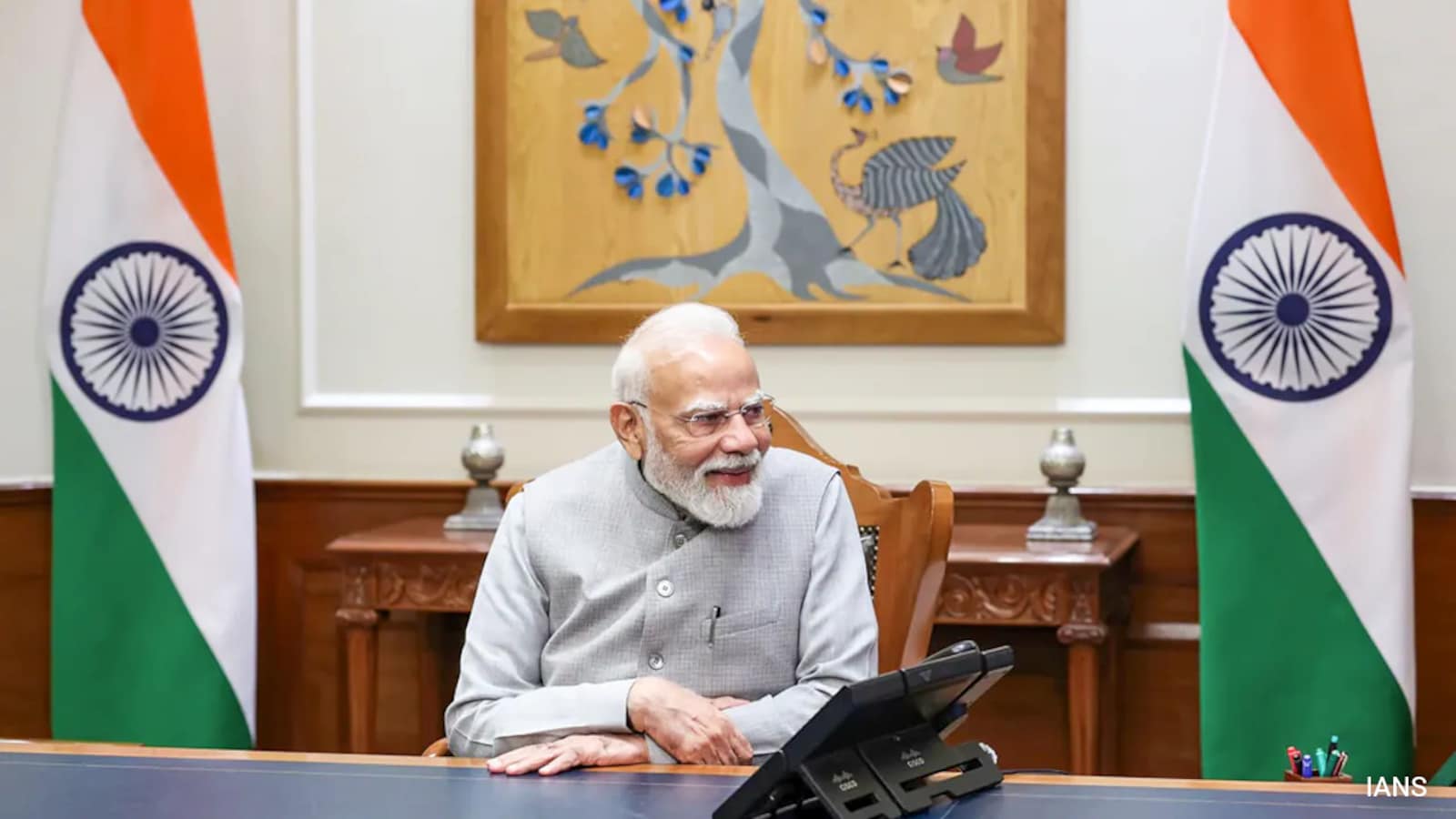
New Delhi: Prime Minister Narendra Modi on Thursday chaired the fourth special meeting of the Cabinet Committee on Security (CCS) since the Middle East conflict broke out, as the government kept a close watch on the fallout for India's energy security, fertiliser supplies, and citizens caught in the crossfire abroad.The meeting, held in New Delhi, saw the Cabinet Secretary brief the CCS on the current geopolitical picture and the steps various ministries have taken to keep petroleum products, LNG, LPG, and fertilisers flowing into the country despite the turmoil in the region. According to the briefing, India has already diversified its LPG procurement sources, and the stock and supply situation for major petroleum products remains comfortable for now.One notable takeaway from the briefing was that Central Public Sector Enterprise refineries are currently running at over 100 percent utilisation, which officials say has kept petrol, diesel and other fuel supplies steady even as the region remains volatile. The government also flagged progress on expanding Piped Natural Gas connections, with a "substantial increase" reported in PNG hookups nationwide.Beyond that, officials are pushing industries to shift away from LPG dependence - leaning instead on an expanded National Gas Grid, more LNG import and regasification capacity, wider City Gas Distribution networks, and faster pipeline clearances under the Pipeline Infrastructure Order, 2026, which is meant to fast-track last-mile connectivity approvals.Fertilizer supply for Rabi season a key focusWith the Rabi sowing season approaching, the CCS also took stock of the country's fertilizer requirements and discussed alternate sourcing options in case traditional supply routes get disrupted by the conflict. The Prime Minister was direct on this point, instructing officials that every measure necessary must be taken to keep fertilizer supplies uninterrupted - a signal that the government doesn't want farmers caught off guard by a crisis playing out thousands of miles away.Seafarers and their families get a lifelinePerhaps the most human element of Thursday's meeting centred on Indian seafarers stuck working aboard vessels - both Indian-flagged and foreign-flagged - passing through conflict zones. The CCS discussed their situation at length, and the Prime Minister directed authorities to set up a proper mechanism that can give these seafarers and their families timely information, emergency assistance, and counselling support.It's a detail that underlines how the conflict's reach extends well past oil prices and diplomatic statements - real Indian workers are out at sea in contested waters, and their families back home have been left anxious with limited information. The push for a formal support channel suggests the government wants to close that gap quickly.More broadly, the Prime Minister stressed that all possible efforts must be made to protect Indian citizens and the wider Indian expatriates from getting caught up in the conflict's consequences, whether that means evacuation planning, consular support, or other protective measures for Indians living and working across the region.A nudge towards renewablesIn what appeared to be a longer-term message wrapped into an otherwise crisis-focused meeting, the Prime Minister also emphasised the need to lean harder into renewable energy. He called for greater focus on solar power and other non-fossil-fuel sources as a way of building genuine energy independence - a reminder that conflicts like this one tend to expose just how exposed India still is to global oil and gas markets.A unified, whole-of-government approachTying the meeting together, the Prime Minister called for a "whole of government" approach to keep tackling the challenges thrown up by the crisis, and asked for a unified, coordinated mechanism to be put in place for regular monitoring of developments on the ground. The goal, he said, is to ensure that measures meant to safeguard citizens' interests are implemented without delay - essentially, no bureaucratic lag between identifying a problem and fixing it.This is the fourth time the CCS has convened specifically on the Middle East situation, underscoring how seriously the government is tracking a conflict that, while unfolding far from Indian shores, has direct implications for fuel prices, farm input costs, shipping routes, and the safety of millions of Indians living and working in the Gulf and wider region. With Rabi sowing on the horizon and refineries already stretched near their limits, officials appear to be trying to get ahead of pressure points before they turn into full-blown shortages.No further CCS meeting date was announced, but given the pattern so far, another review is likely if the situation on the ground shifts.
PM Modi Orders Dedicated Mechanism For Seafarers During Key Meet On Middle East
Full Article
Original Source
Read the full article at Ndtv →KhanList aggregates and links to publicly available news content. We do not host full articles from third-party sources. Always verify important information with original sources.