
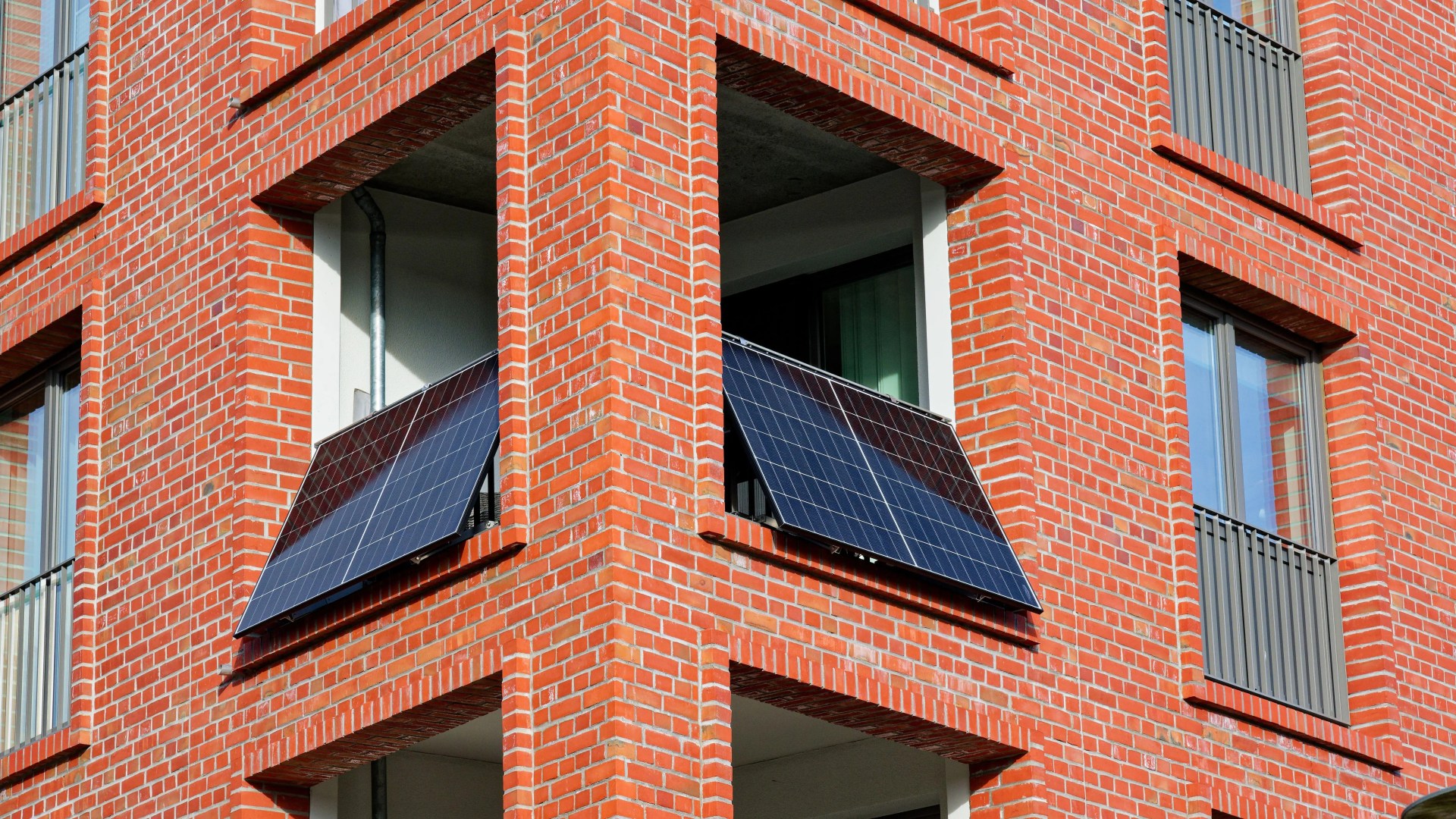
PLUG-IN solar panels will be hitting UK shops next week – so should you invest in one? The products use the energy from the sun to generate their own electricity, and can be set up on a balcony, terrace, shed roof or any other outdoor space. Unlike other solar panels, they don’t need professional installation and can be plugged into a three-prong wall socket. It means it will be much easier for flat owners and renters to install solar panels. Sign up for the Money newsletter Thank you! These types of solar panels have been illegal in the UK until this month, but shops are now allowed to sell them from next Thursday. But soon Brits will be able to buy them from bargain retailers including Lidl and Amazon as part of a new Government scheme. Experts say they could slash around £100 a year from your energy bill. When the panels are plugged in, the energy generated from the sun is used to help power your home without you needing to buy as much from the grid. They’re seen as a way of giving more people access to clean, cheap and renewable energy. The devices are not cheap, costing roughly £350 to £400. Most read in Money But they’re still much cheaper than normal solar panels, which cost between £5,000 to £8,000 to install. You also won’t have the hassle of calling in professionals for the installation – you can simply plug in and go. The plug-in systems are being sold just as households are thinking about how to keep energy costs down. Energy bills are expected to soar in October to the highest level in three years. Analysts at well-respected energy research firm Cornwall Insight are predicting bills to rise by 4%. It means a typical household will be facing a yearly bill of £1,729, up from £1,663 – an increase of £66. Are there are downsides? The plug-in solar panels can be attached to balconies or outdoor terraces Credit: Alamy The main downside is the upfront cost. It will take some time for your energy bill savings to cover the initial cost of buying the plug-in device. The products usually have a capacity of 800 watts, or one-fifth of the size of a typical residential rooftop solar system. That means they wouldn’t be able to power a home alone, so the discount on your bills won’t be as big. Experts estimate they could help to reduce bills by up to £70 to £110 a year, so it would take four to seven years to cover the initial cost. That means if you’re considering buying one, you should be prepared to use it in the long-term and you shouldn’t expect your money back quickly. Rob Hallifax, a co-founder of Windfall Energy, told The Guardian that households should set “realistic expectations”. For example, they will be hitting shops in late August when sunlight is naturally declining. “You still need access to a sunlit balcony, terrace or suitable outdoor area. And you may need permission from a landlord or freeholder to put panels in place,” he said. Plus, you should be aware they may cause a safety hazard in your home if not used correctly. Experts have warned households should NEVER plug a solar panel into an extension lead, as it could be a fire hazard. Instead, make sure it is always plugged directly into an outside wall socket. Comment now
Plug-in solar panels set to hit high street shops from next week – are they worth it?
Full Article
Original Source
Read the full article at Thesun →KhanList aggregates and links to publicly available news content. We do not host full articles from third-party sources. Always verify important information with original sources.