
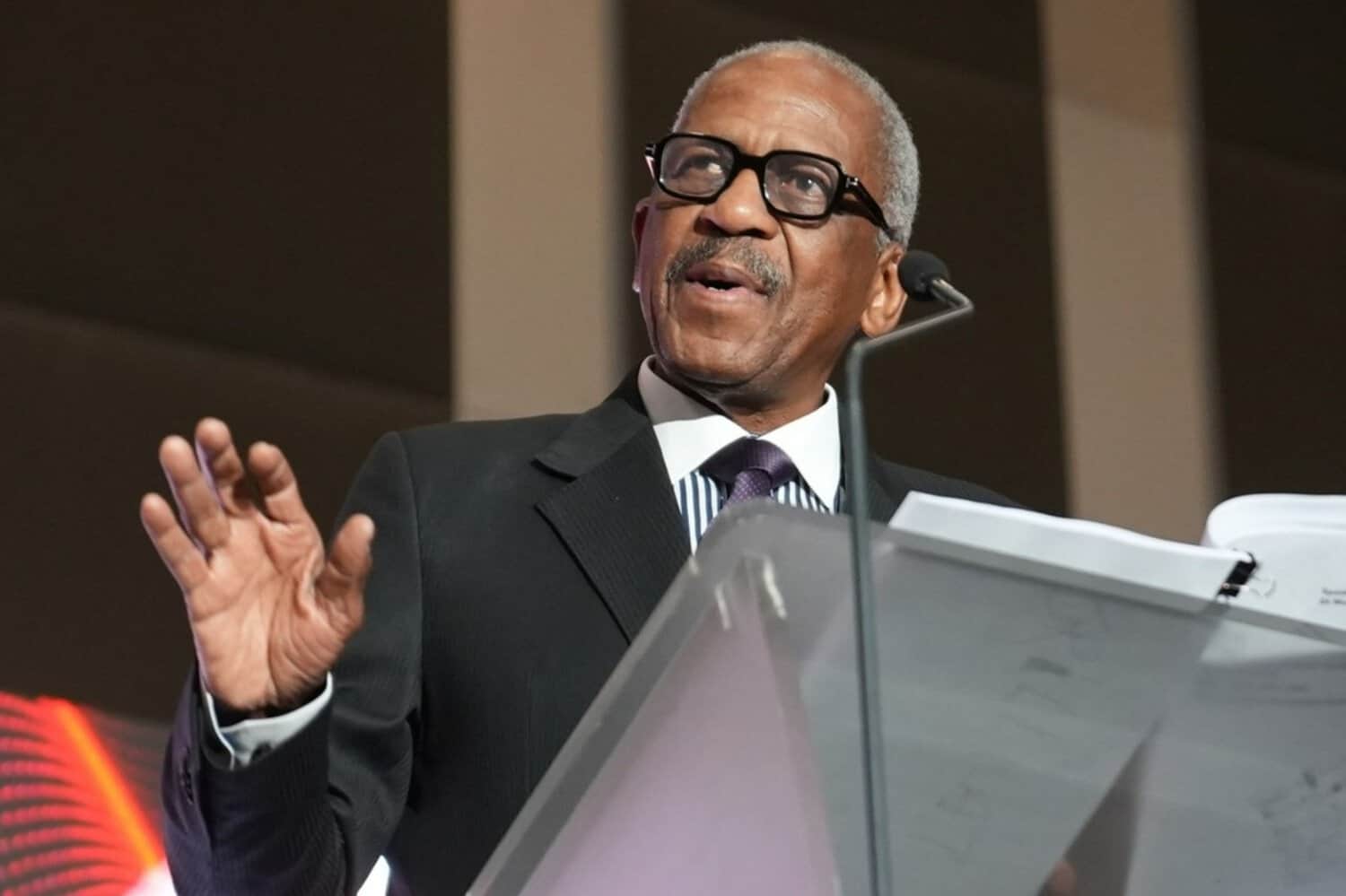
Phosa warned that artificial intelligence could generate incorrect information, perpetuate historical discrimination and compromise confidential material. Artificial intelligence may be transforming the legal profession, but South Africa cannot afford to surrender justice to machines. Human judgment, constitutional accountability, and ethical responsibility must remain paramount, regardless of how sophisticated technology becomes. This was the warning from former ANC treasurer general and constitutional lawyer Dr Mathews Phosa, addressing the inaugural LexisNexis Future of Law Conference at the Sandton Convention Centre on Tuesday. Opportunities and risks Phosa said artificial intelligence offers opportunities to speed up legal processes, improve research and make justice more accessible. However, its growing influence also presents serious risks to constitutional rights, personal information and fairness. “We must never confuse a technologically sophisticated answer with a legally sound or morally just decision,” he said. Phosa warned that artificial intelligence could generate incorrect information, perpetuate historical discrimination and compromise confidential material. He called for clear safeguards governing its use throughout the legal system. “Artificial intelligence should assist the legal profession, not replace the human judgment, ethical responsibility and compassion upon which justice depends,” he said. He identified five principles that should govern AI in law, namely accountability, verification, confidentiality, fairness and inclusion. Human beings must remain accountable for decisions affecting individual rights, while AI-generated information must be independently verified. Citizens should also have opportunities to challenge automated decisions and seek appropriate remedies. Constitutional lessons Phosa said South Africa’s constitutional history provided an important lesson about the dangers of allowing powerful institutions to operate without sufficient accountability. “I belong to a generation that witnessed the law being used as an instrument of oppression, discrimination and exclusion,” he said. “We also witnessed its transformation into an instrument of liberation and democracy.” He said the legitimacy of law depended on the justice it delivered rather than its enforcement alone. “Technology must strengthen our constitutional democracy, never undermine it.” Cybersecurity and governance Phosa also raised concerns about cybersecurity and the protection of personal information, warning that digital governance could no longer be left exclusively to technology departments. He said the Protection of Personal Information Act and Cybercrimes Act provided safeguards, but legislation alone could not guarantee responsible conduct. “Cybersecurity and data protection are no longer matters for information technology departments alone,” he said. “They are matters of governance, leadership and public trust.” South Africa’s institutional weaknesses, corruption and delays in administering justice presented further challenges as the country embraced digital transformation. Phosa called for stronger judicial, prosecutorial and regulatory institutions, alongside greater respect for their independence under the Government of National Unity. He cautioned that modernising courts could inadvertently exclude poorer communities without reliable internet connectivity or digital literacy. “Justice that exists only on paper is not enough. Justice must be accessible, affordable and meaningful,” he said. Phosa also linked constitutional governance to economic development, saying independent courts, enforceable contracts and predictable regulations were essential for investor confidence. Corruption and institutional failure discouraged investment and ultimately harmed communities. “Good governance is not merely about what is legally permissible. It is about what is ethically responsible,” he said. Africa’s role Turning to Africa’s place in technological development, Phosa warned against allowing the continent to become a passive recipient of systems designed elsewhere. African countries should participate actively in developing international frameworks governing artificial intelligence, cybersecurity and digital rights. He said these frameworks must recognise Africa’s languages, cultures and developmental challenges while incorporating constitutional values and Ubuntu. “The future of law will not be determined by technology alone,” Phosa said. “We must harness artificial intelligence without surrendering human judgment.” He concluded that technological progress should expand access to justice rather than deepen inequality, while protecting the constitutional freedoms South Africans had fought to secure.
Phosa warns AI must never replace human judgment in pursuit of justice
Full Article
Original Source
Read the full article at Citizen →KhanList aggregates and links to publicly available news content. We do not host full articles from third-party sources. Always verify important information with original sources.