
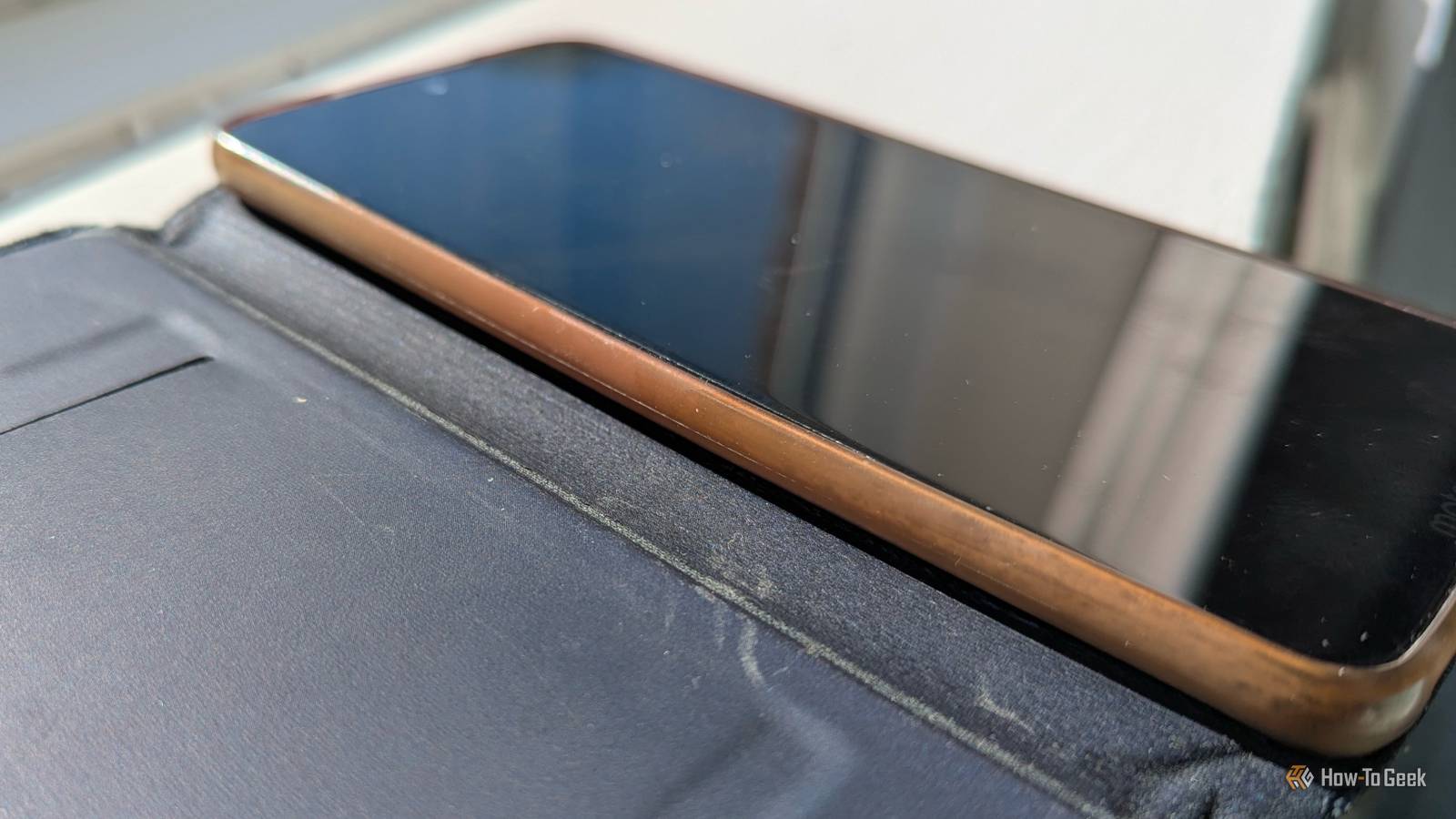
Published Aug 26, 2026, 9:45 AM EDT Sydney Butler is a technology writer with over 20 years of experience as a freelance PC technician and system builder and over a decade as a professional writer. He's worked for more than a decade in user education. On How-To Geek, he writes commerce content, guides, opinions, and specializes in editing hardware and cutting edge technology articles. Sydney started working as a freelance computer technician around the age of 13, before which he was in charge of running the computer center for his school. (He also ran LAN gaming tournaments when the teachers weren't looking!) His interests include VR, PC, Mac, gaming, 3D printing, consumer electronics, the web, and privacy. He holds a Master of Arts degree in Research Psychology with a minor in media and technology studies. His masters dissertation examined the potential for social media to spread misinformation. Outside of How-To Geek, he hosts the Online Tech Tips YouTube Channel, and writes for Online Tech Tips, Switching to Mac, and Helpdesk Geek. Sydney also writes for Expert Reviews UK. He also has bylines at 9to5Mac, 9to5Google, 9to5Toys, Tom's Hardware, MakeTechEasier, and Laptop Mag. I grew up with cell phones that didn't really care if you dropped them several times a day, so I just never got the desire to put phones in cases. Early smartphones were very fragile, but times have changed, and getting a case for your flagship phone is now truly optional. My first-ever smartphone was a Samsung Galaxy Ace. An awful and cheap device even when it was new, and it almost felt like putting it down on a tabletop a little too hard would shatter the brittle glass. I clearly recall seeing plenty of people with smashed phone screens counting the days to their next phone upgrade back then. More recently, I have been caseless for many years—apart from a brief dalliance with leather. I'd love to still be using leather cases for the reasons I listed in that 2023 article, but suddenly real leather doesn't seem to be on the menu anymore. Flagship phone glass is much tougher than it used to be Though maybe an actual gorilla would be too much for it It is genuinely incredible how far glass technology has come since smartphones with large glass screens became popular. It's funny, because humans have been making glass for thousands of years. Bulletproof glass has been around for around a century at this point, and yet it took the rise of smartphones to really jump-start immense innovation in glass. Current Gorilla Glass and Ceramic Shield phones are incredibly tough. They can take minor drops in their stride, and only extremely hard minerals like quartz can scratch them. The keys or change in your pocket are actually too soft to do that. It's obvious that adding a case to these phones does increase the protection, but the benefits are so marginal for most people (who don't work on construction sites, for example) that it's debatable whether the bulk and inconvenience is worth the marginal improvement in durability. Water and dust resistance have removed another major reason for bulky protection Credit: Tyler Hayes / How-To Geek Speaking of people who work on construction sites or other places where phones are often subjected to dirt and moisture, modern flagship phones already have plenty of protection built in. In the past, I would have agreed that those special ruggedized cases that keep water and dust out were worth it for these people, but now a normal naked phone is already resistant to these hazards. So if you drop your phone in the mud, you can just rinse it off with clean water. Cases can make already-huge phones noticeably worse to use My hands hurt! Credit: Justin Duino / How-To Geek There was a time when 3.5-inch smartphone screens like the one on the original iPhone were the norm. Then the Samsung Galaxy Note arrived with its 5.3-inch screen, people laughed and called it a "phablet." Today, the "small" version of a phone is over 6-inches in size, and the bigger version is about 7-inches. Our phones are so big that one-handed use is already tricky, and adding a case to that makes the problem worse, not better. Honestly, my S25 Ultra feels so much slimmer and less bulky naked than with even a "thin" silicon case on. Insurance, screen protectors, and replaceable accessories may be the better compromise I think the age of slapping a case on your phone on the day you buy it and just leaving it there until the day you get your next phone is over. While a case isn't completely useless, it's now optional enough that you can likely leave it off unless you're going hiking, to a crowded concert, or some other place where the risk of phone damage is higher than normal. A screen protector is enough if you're truly paranoid, though the screen protector's glass is less durable than your phone's own. Besides, getting insurance for a cracked screen or other serious phone damage is cheap and easy these days. You can get that sort of protection at the point where you buy your phone, or just roll it in with your current insurance plan in some cases. If you're insuring your phone against loss and theft (which you should if it's a $1,000+ flagship), then it might as well be insured against accidental damage. After all, putting your phone in a case does not guarantee it won't get smashed anyway, but insurance will fix or replace your phone whether it had a case or not. By the way, you might be wondering why I ended up using a case for my S25 Ultra, since I said there were two reasons. The first is that I have a magnetic charging stand, and I needed to add a magnet to the back of my phone since it doesn't have one. The second reason is that the camera bump on these phones is ridiculous, and I hate the wobble, but the truth is I could take that case off today without a single care in the world, as soon as its usefulness is completely over.
Phone cases are dead—here's why today's flagships don't need them anymore
Full Article
Original Source
Read the full article at Howtogeek →KhanList aggregates and links to publicly available news content. We do not host full articles from third-party sources. Always verify important information with original sources.