
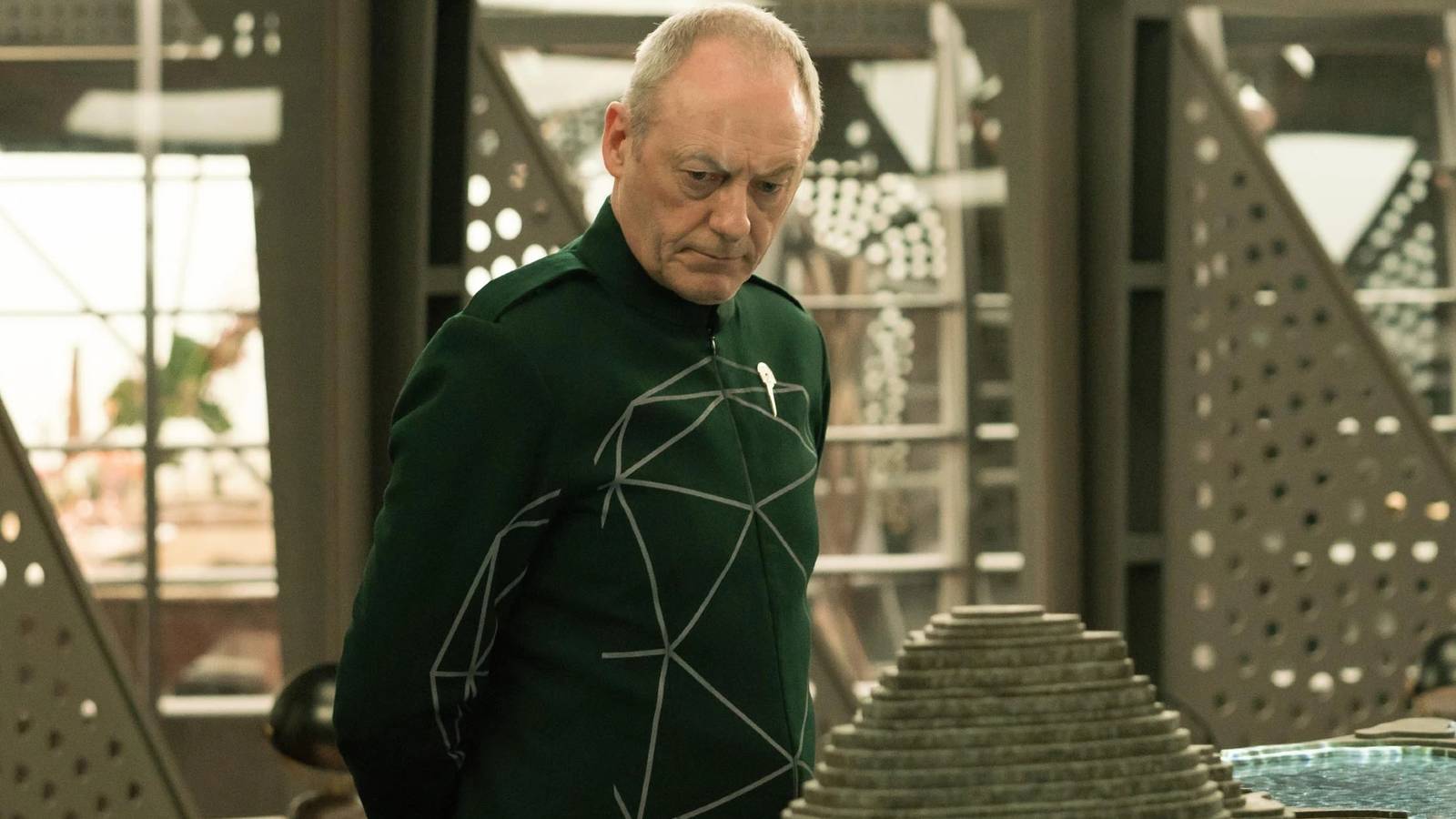
Published Aug 25, 2026, 3:30 PM EDT Tom is a Senior Staff Writer at Screen Rant, with expertise covering everything from hilarious sitcoms to jaw-dropping sci-fi epics. Initially he was an Updates writer, though before long he found his way to the TV and movies team. He now spends his days keeping Screen Rant readers informed about the TV shows of yesteryear, whether it's recommending hidden gems that may have been missed by genre fans or deep diving into ways your favorite shows have (or haven't) stood the test of time. Tom is based in the UK and when he's not writing about TV shows, he's watching them. He's also an avid horror fiction writer, gamer, and has a Dungeons and Dragons habit that he tries (and fails) to keep in check. Netflix’s Black Mirror is undoubtedly the biggest name in the modern anthology sci-fi show arena. Since its 2011 debut, many imitators have come and gone, but none have reached the same household-name status or fostered remotely comparable levels of pop-culture fascination. Even as more and more anthology science fiction has arrived on the small screen, Black Mirror remains the benchmark against which these shows are inevitably measured. That is unfortunate in some ways, because plenty of great anthology sci-fi TV shows have been unfairly overshadowed by Black Mirror despite offering equally riveting viewing experiences. However, few feel as unfairly forgotten as Amazon Prime’s Philip K. Dick’s Electric Dreams. The 2017 Prime Video series had the same combination of out-there concepts and unsettling modern relevance to stand beside Black Mirror, yet it became overlooked more or less as soon as its 10-episode run concluded. Created by Sony Pictures in partnership with the UK’s Channel 4 before being picked up by Amazon Prime, Electric Dreams adapts the work of legendary science-fiction author Philip K. Dick. Like Black Mirror, each episode of Electric Dreams tells a separate story and explores radically different narratives while maintaining Philip K. Dick’s fascination with technology, identity, and paranoia. For Black Mirror fans seeking something with a similar appeal that still has its own identity, rather than feeling like “we have Black Mirror at home,” Electric Dreams is the answer. Electric Dreams Gives Philip K. Dick’s Stories The Black Mirror Treatment Fans of Black Mirror are bound to enjoy Electric Dreams for several reasons, and many are rooted in its source material. The 2017 show takes the work of renowned 20th-century science-fiction author Philip K. Dick and transforms it into 10 standalone anthology episodes that have a distinctly Black Mirror-esque style. From a filmmaking perspective, Electric Dreams wears its Black Mirror influence on its sleeve. It combines striking speculative concepts with unsettling stories about how technological progress could soon alter everyday life, all wrapped in a sleek, prestige TV package. Electric Dreams may not be anywhere near as well known as Black Mirror, but it scratches much the same itch. That connection is particularly fitting because Philip K. Dick’s writing was hugely influential on the dystopian science fiction that Black Mirror would later popularize. In many ways, Black Mirror inspiring an anthology sci-fi show based around Philip K. Dick's work, which undeniably inspired Charlie Brooker, is the legacy of both coming full circle. However, the similarities go much deeper than the show's visual style or storytelling approach. The mind behind The Man in the High Castle and Do Androids Dream of Electric Sheep (which was adapted into Blade Runner), Philip K. Dick remains a foundational sci-fi writer, but he also wrote during the Cold War. At the time, fears of nuclear annihilation, the “Red Scare” and McCarthyism, and the dawn of rampant consumerism were rife, and so were regular thematic anchors for his novels and short stories. Electric Dreams reworked his stories for a modern audience, shifting the focus toward contemporary anxieties like data privacy, surveillance, social media, artificial intelligence, and the increasingly blurred boundary between technology and identity. What this essentially means is that, rather than being an imitation of Black Mirror, Electric Dreams has a spiritual kinship with it. Instead of simply reproducing Philip K. Dick’s stories page-for-scene, the anthology sci-fi show updates them by applying a modern thematic lens. For viewers fascinated by Black Mirror’s technoparanoia, Electric Dreams offers another compelling way to explore humanity’s complicated relationship with technological progress. The Cast Of Electric Dreams Was Mindblowing While Electric Dreams was never as popular as Black Mirror, that certainly does not make it a bad show. Its episodes are packed with distinctive sci-fi ideas, and it works surprisingly well as a literary adaptation, reinventing Philip K. Dick’s writing for television without losing the unsettling qualities that make his fiction so influential. It’s also clear that Electric Dreams deserved more than a single season when its extraordinary cast is taken into consideration. Steve Buscemi, Anna Paquin, Bryan Cranston, Benedict Wong, Vera Farmiga, Juno Temple, Timothy Spall, Terrence Howard, Liam Cunningham, and Richard Madden are among the major names who appear across its 10 episodes. That is an astonishing roster for an experimental anthology TV show, even one that adapts the work of an author as renowned as Philip K. Dick. Considering how much recognizable talent was willing to participate, it is remarkable that Electric Dreams never generated enough momentum for a second season. There was certainly no shortage of material, either. Philip K. Dick's enormous body of work includes 44 novels and more than 120 short stories, leaving an abundance of stories that could have been reimagined for Electric Dreams season 2. Electric Dreams may have been conceived as a limited anthology, but the scale of Philip K. Dick’s literary legacy and the star power attached to the adaptation made its potential difficult to ignore. The first season demonstrated that his stories could still work as ambitious modern sci-fi despite the themes of the source material being a little irrelevant to modern audiences, while its cast gave the show itself considerable star power. The fact that so many major actors were drawn to the project only makes its lack of a follow-up more disappointing. Release Date 2017 - 2018-00-00 Network Channel 4 Directors David Farr, Francesca Gregorini, Jeffrey Reiner, Julian Jarrold, Marc Munden, Peter Horton, Dee Rees, Tom Harper Writers Matthew Graham, Tony Grisoni, Jack Thorne, Jessica Mecklenburg Cast Andrew Rothenberg Captain Miller Jay Paulson Reverend Perine Nathalie Armin State's Advocate
Philip K. Dick Meets Black Mirror In Prime Video's 10-Part Sci-Fi Series
Full Article
Original Source
Read the full article at Screenrant →KhanList aggregates and links to publicly available news content. We do not host full articles from third-party sources. Always verify important information with original sources.