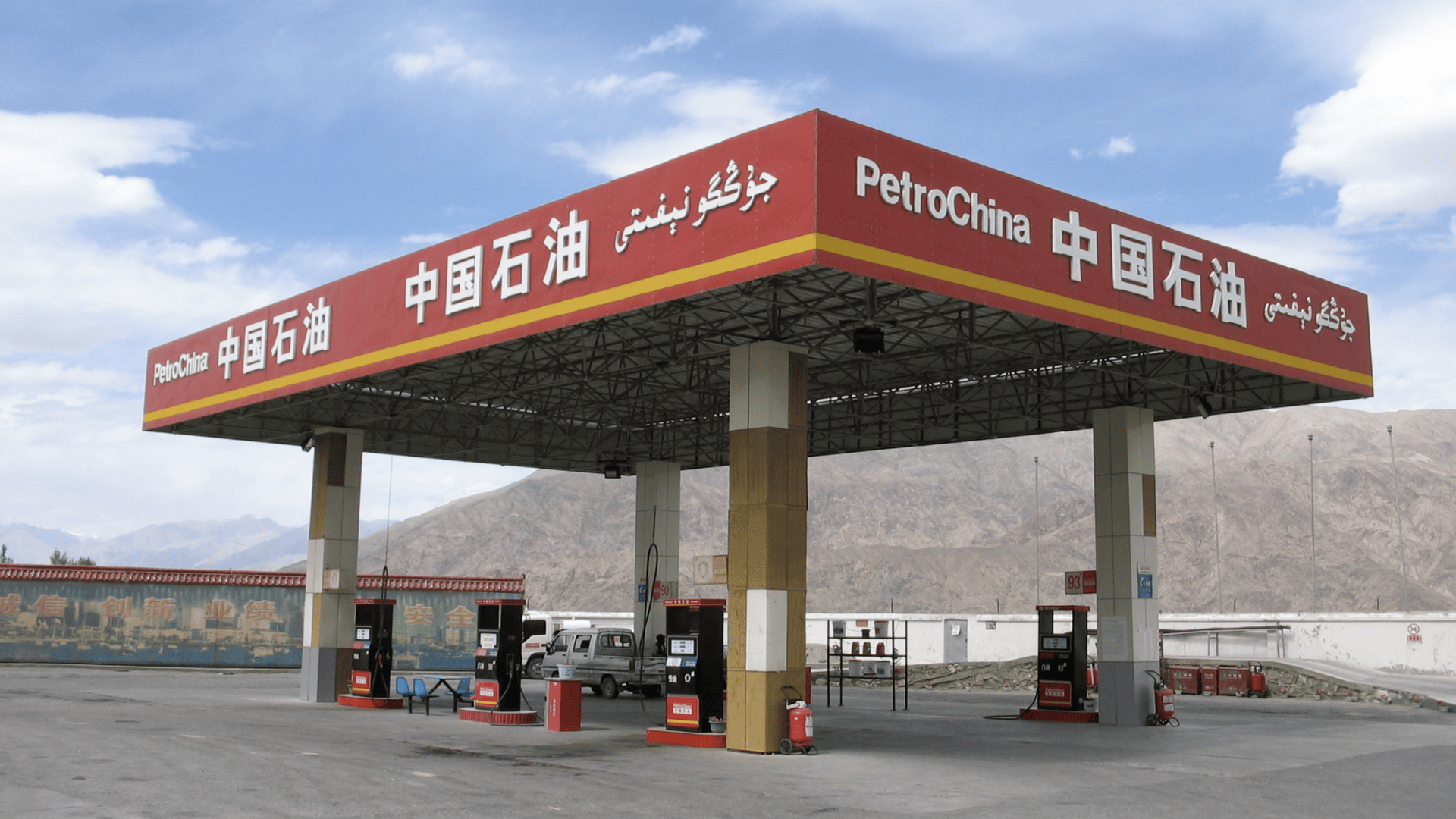
As the conflict in the Middle East weakens supply chains, China aims to increase its production of ethylene in its first fully green production chain. PetroChina announced that its subsidiary Dushanzi Petrochemical began operating a new ethylene production line in the Xinjiang Uygur autonomous region on Thursday. The expansion adds 1.2 million tons to the company’s annual production capacity, raising its total capacity in the region to 3 million tons. The project is aimed at becoming the largest ethylene production hub in central and western China, according to South China Morning Post. Most of the industry has been positioned along the coast up until now, away from the key resources. The project will allow China to produce a key industrial chemical while supporting national energy security and carbon reduction goals. The expansion would “reshape the long-standing east-west geographic imbalance of domestic ethylene capacity, while enhancing the resilience and security of energy and chemical supply chains,” South China Morning Post reports. And it would also demonstrate China’s commitment to reducing the industry’s environmental impact. Reaching for gold Known as “industrial gold” in China, ethylene is an important petroleum-based chemical used in many industrial products, including plastics, synthetic fibers, and advanced materials. China is currently the world’s largest producer of ethylene, with annual production capacity exceeding 62 million tonnes by the end of last year, according to South China Morning Post. However, 65% of China’s ethylene industry output has come from the eastern coast. The Xinjiang expansion is part of an effort to increase production in western areas that hold the most oil and gas resources. The new production line was launched amid growing uncertainty caused by the US-Israel war on Iran, which has affected oil and natural gas supplies. Supply chains currently depend on imported energy resources. The Xinjiang facility, near the resource-rich Tarim Basin, would “promote the integrated development of upstream and downstream industries and the efficient utilisation of resources.” The company also described the project as China’s first “fully green” production chain. China strengthens chemical supply chains Beyond the global tensions driving the project, the expansion reflects China’s broader efforts to reduce emissions in major industrial sectors. So the country intends to use this moment as an opportunity to innovate processes. The facility will use solar energy from the Tarim Oilfield and consume about 1,000 gigawatt-hours of green electricity each year, according to PetroChina via South China Morning Post. The company said carbon dioxide and hydrogen recycling systems would help reduce carbon emissions by 1.37 million tonnes annually. In June, Beijing announced a three-year initiative targeting energy-saving and carbon-reduction improvements in nine high-emission industries, including ethylene. The plan aims to save more than 100 million tonnes of standard coal and reduce carbon emissions by over 200 million tonnes by the end of 2028. The Xinjiang ethylene project increases western China’s role in the country’s chemical industry while addressing concerns about energy supply security and environmental targets. PetroChina’s expansion reflects China’s continued efforts to balance industrial growth, supply chain stability, and carbon reduction goals. Recommended ArticlesGet the latest in engineering, tech, space & science - delivered daily to your inbox.Originally from LA, Maria Mocerino has been published in Business Insider, The Irish Examiner, The Rogue Mag, Chacruna Institute for Psychedelic Plant Medicines, and now Interesting Engineering.
PetroChina launches Xinjiang ethylene hub with 1.2 million-ton capacity
Full Article
📰 Original Source
Read full article at Interestingengineering →KhanList aggregates and links to publicly available news content. We do not host full articles from third-party sources. Always verify important information with original sources.