
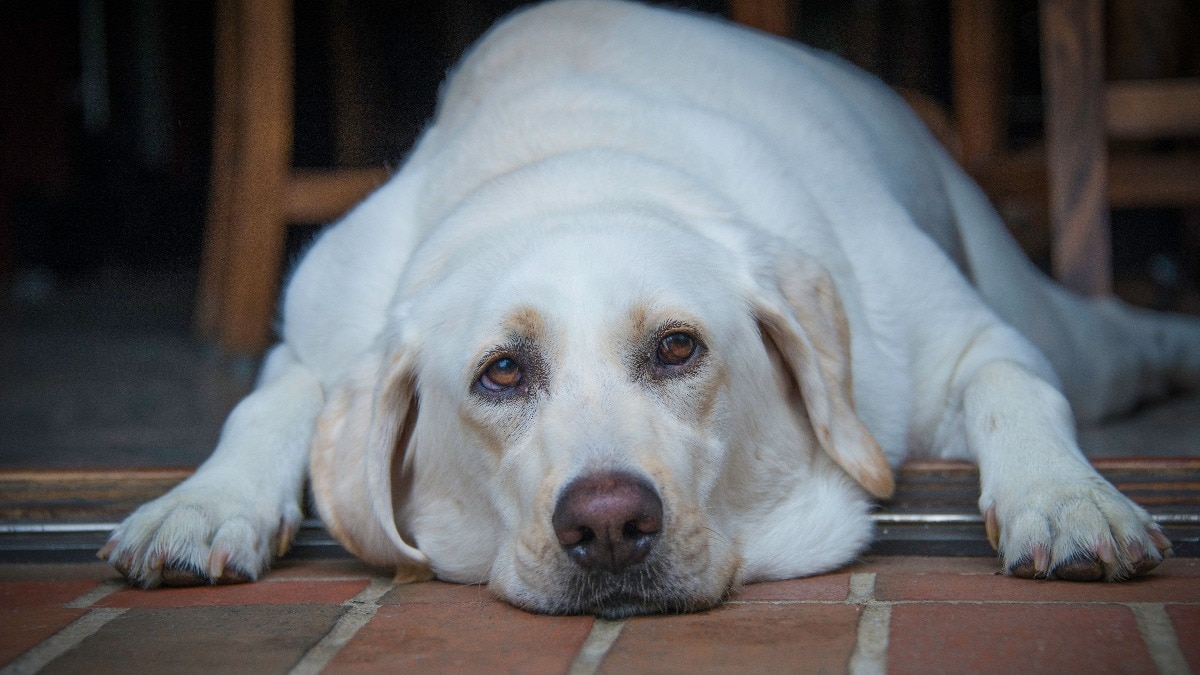
Obesity in dogs and cats is a growing health concern, and veterinary bodies now treat it as a medical condition, not a cosmetic one. In the US, 59% of dogs and 61% of cats are overweight or obese, according to figures from the Association for Pet Obesity Prevention cited by the FDA. The agency says the diseases seen in these pets closely mirror those in people: type 2 diabetes, osteoarthritis, high blood pressure, heart, respiratory and kidney disease, and a shorter life span.Excess fat is not inert. Fat cells release hormones into the bloodstream, and the more fat a pet carries, the greater the effect on the body. The British Small Animal Veterinary Association (BSAVA) now distinguishes between pre-clinical obesity, where a pet carries excess fat but still functions normally, and clinical obesity, where the extra weight is already affecting organs or mobility.Many owners don’t spot the problem early. “Visual assessment is a useful starting point, but it should not be the only criterion,” says Dr. Diva Dhingra, Head Veterinarian at Fredna Vet Diagnostics. Dr. Chetanya Walia, Veterinary Radiologist at Fredna Vet Diagnostics, Mumbai, adds that pet obesity “can silently affect a pet’s mobility, breathing, metabolism and overall quality of life.”Here is what the guidelines and vets say about how to tell if your pet is overweight, what tests may be needed, and how to bring weight down safely. IT'S NOT JUST FATMost of us think of body fat as a bit of extra padding. Fat is far more active than that. Fat tissue is made of cells that produce hormones and release them straight into the bloodstream. The more fat cells an animal carries, the more of those hormones flood the body, and that is where the trouble starts.The FDA notes that the diseases linked to obesity in pets look strikingly like the ones seen in people: type 2 diabetes, osteoarthritis, high blood pressure, heart and respiratory disease, kidney disease, inflammation and a shorter life span. The scale of the problem is large. The FDA cites US figures from the Association for Pet Obesity Prevention showing that 59% of dogs and 61% of cats are overweight or obese. These are American numbers, but vets in India say the same trend is visible in their clinics.The UK’s veterinary association, BSAVA, makes a finer point. It separates pre-clinical obesity, where a pet carries excess fat but still functions normally, from clinical obesity, where that fat is already causing problems such as trouble jumping, breathlessness on exertion or snoring. Pre-clinical pets aren’t suffering yet, but they’re at higher risk of getting there.SO HOW DO YOU ACTUALLY KNOW IF YOUR PET IS OVERWEIGHT?Most of us just look at our pets and decide. Vets say that’s a good start but not enough.“Visual assessment is a useful starting point, but it should not be the only criterion,” says Dr. Diva Dhingra, Head Veterinarian at Fredna Vet Diagnostics. In a consultation, vets pair the weighing scale with two tools: a Body Condition Score (BCS) and a Muscle Condition Score (MCS).The 9-point Body Condition Score is the global standard. The vet looks at the pet, gently feels the ribs, waist and abdomen, and assigns a number:4 to 5: ideal6 to 7: overweight8 to 9: obeseBSAVA recommends this same 9-point scale. It says pets scoring 8 or 9 carry at least 30% excess weight.Why not just use the scale? Dhingra puts it well: “A weighing scale tells us how heavy a pet is; a structured body-condition assessment helps us understand what that weight means for health.”Muscle matters too. She explains that a pet can carry excess fat while losing muscle at the same time, especially with ageing or disease. Breed, frame size, life stage and past weight history all change how a number should be read. This is also why she says repeated measurements over time are more useful than any single reading.IS IT THE FOOD, THE LAZINESS, OR SOMETHING MEDICAL?When an overweight pet walks into the clinic, the vet’s job is to work out why. Dhingra says it starts with a detailed, non-judgmental history, covering:The brand and quantity of food, and whether portions are measuredTreats, dental chews and table scrapsFood used to hide medicinesWhether several family members feed the petDaily activity, indoor confinement, age, breed and neutering statusMost weight gain, she says, comes down to an ongoing imbalance between calories eaten and energy burned. But vets don’t assume. If a pet gains weight despite a controlled diet, or also shows lethargy, coat changes, excessive thirst or urination, muscle weakness, a pot-bellied shape or unexplained appetite changes, an underlying disorder deserves a closer look. Hypothyroidism or hyperadrenocorticism may be relevant in some dogs, while diabetes can coexist with obesity, particularly in cats.Do all overweight pets need a battery of tests? No. “Every overweight pet needs a clinical and nutritional assessment; not every pet needs every test,” Dhingra explains. Depending on age and history, a vet may suggest a blood count, biochemistry and urine tests. Thyroid checks or blood sugar tests come in only when signs point that way. Scans such as X-rays, ultrasound or CT aren’t routine for simple obesity.WHY A FEW EXTRA KILOSIt’s easy to dismiss the weight as cosmetic. Dr. Chetanya Walia, Veterinary Radiologist at Fredna Vet Diagnostics, Mumbai, says otherwise: “Pet obesity is not just about appearance; it can silently affect a pet’s mobility, breathing, metabolism and overall quality of life.”Dhingra lists what excess weight does:Joints: more mechanical stress, which can worsen osteoarthritis and make walking, jumping and rising more painfulCats and diabetes: obesity is a major risk factor for diabetes mellitus in cats, and it can reduce grooming and normal activityStamina and heat: excess fat can cause exercise intolerance and heat intolerance, and can aggravate existing breathing or heart problemsSurgery: obesity complicates anaesthesia, surgery and recovery, even in pets that seem otherwise wellShe also describes a vicious cycle: the pet moves less, burns less energy and gains even more weight.Cats are a little different. BSAVA points out that the picture is more complicated. Overweight and obese cats are predisposed to several health problems, but a shorter lifespan shows up mainly in cats at the very top of the scale (9/9). Cats scoring 6 out of 9 actually had the longest average lifespan in one study. So for cats, the ideal range may be 5 to 6 out of 9, depending on whether you prioritise disease risk or longevity. It’s another reason to let a vet judge your individual cat.THE GOOD NEWS: WEIGHT LOSS WORKSHere is the encouraging part. The FDA says studies show weight loss in pets improves respiratory function, reduces osteoarthritis in the shoulder, hip and elbow joints, lengthens median life span in dogs and delays the onset of chronic disease.BSAVA adds that even modest loss helps: shedding about 6 to 9% of body weight can produce measurable health benefits. It also advises that targets should focus on health and wellbeing, not just chasing a number.PREVENTION STARTS EARLYBSAVA stresses that prevention matters as much as treatment, and that it should begin in puppyhood and kittenhood. Its suggested schedule:Around neutering: more frequent, even every two weeksAdult dogs: at least once a year, and more often if possibleAt-risk pets (predisposed breeds, neutered animals, those previously overweight): more frequent weighing is strongly advisedMeanwhile, the American Animal Hospital Association (AAHA), whose guidelines the FDA highlights, recommends a nutritional assessment for every dog and cat at every routine check-up, for life.- Ends
Pet obesity is a disease, not just 'extra fluff': What vets want pet parents to know
Full Article
Original Source
Read the full article at Indiatoday →KhanList aggregates and links to publicly available news content. We do not host full articles from third-party sources. Always verify important information with original sources.