
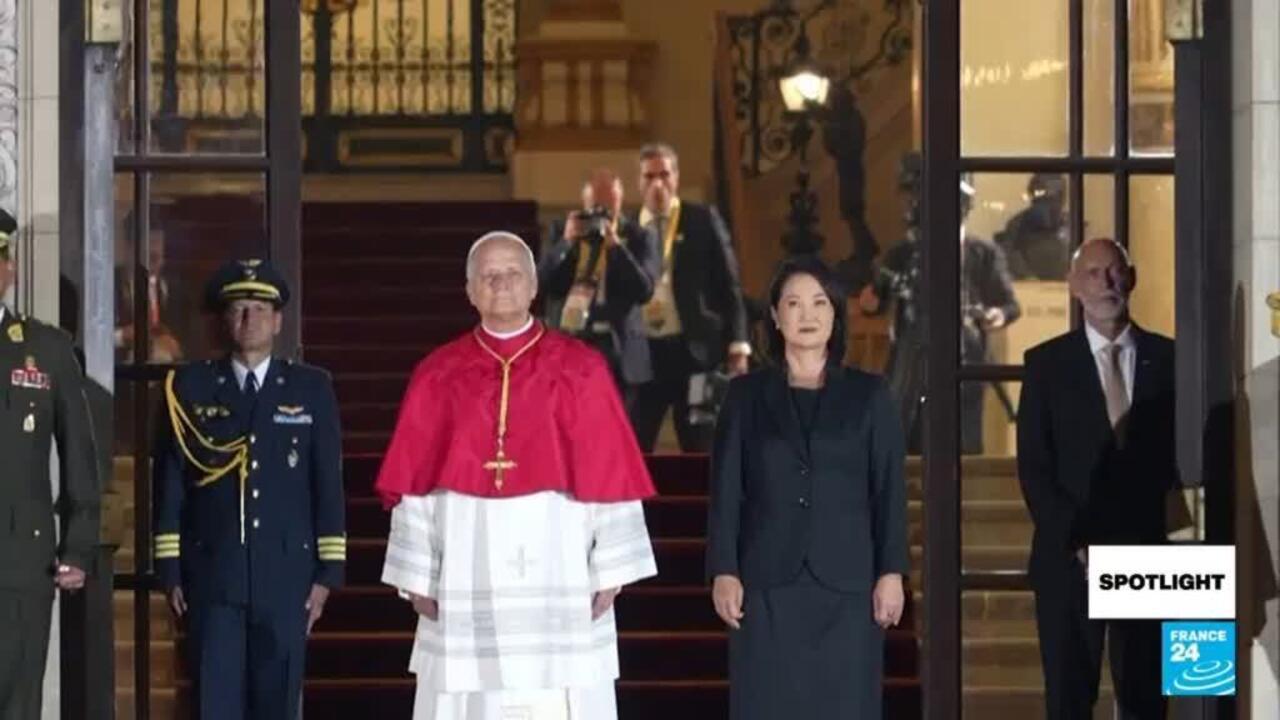
François Picard is pleased to welcome Victor Casallo, Director of the Department of Philosophical and Theological Studies at Antonio Ruiz de Montoya University. Can a Pope shaped by Peru's history of political violence, social inequality and religious activism help a deeply polarized nation heal and rediscover the possibility of dialogue? "We tend to see the other person not as someone who holds a different opinion, but as an enemy." Casallo argues that Pope Leo, the first American-born pontiff's identity cannot be understood through his Chicago origins alone. His decades of pastoral experience in Peru, amid political instability, terrorism, state violence and profound social inequalities, have shaped a religious outlook rooted in cultural openness, solidarity with the marginalized and an intimate understanding of human suffering.Central to this interpretation is the enduring legacy of liberation theology and its "preferential option for the poor." Far from representing a marginal or exclusively Latin American theological current, Kazai suggests that its ethical commitments have become integral to the contemporary Catholic Church's understanding of its mission. Yet this inheritance also demands institutional self-examination. "We have betrayed the poor and the vulnerable," he observes, recalling the Church's historical failures to defend those suffering from violence and injustice. The interview also explores the tension between the Pope's extraordinary popular appeal and the political consequences of his teachings. In a society where religious authority continues to shape public morality, papal denunciations of corruption, inequality and xenophobia may carry greater resonance than conventional political discourse. But admiration does not necessarily translate into action. "They cannot just say 'amen' and look away," Casallo warns, challenging political leaders who publicly embrace the Pope while disregarding the ethical implications of his message. Ultimately, the interview raises a question that extends far beyond Peru: Can the moral authority of religious leadership help restore dialogue in polarized democracies, or will its calls for justice be absorbed into the rituals of political spectacle? For Casallo, the significance of Pope Leo's visit lies not simply in the enthusiasm of the crowds but in whether that enthusiasm can inspire greater solidarity, accountability and a renewed commitment to living together.
‘Peruvian pope’ Leo XIV comes home to a country that shaped his life and faith through 'hardship'
Full Article
Original Source
Read the full article at France24 →KhanList aggregates and links to publicly available news content. We do not host full articles from third-party sources. Always verify important information with original sources.