
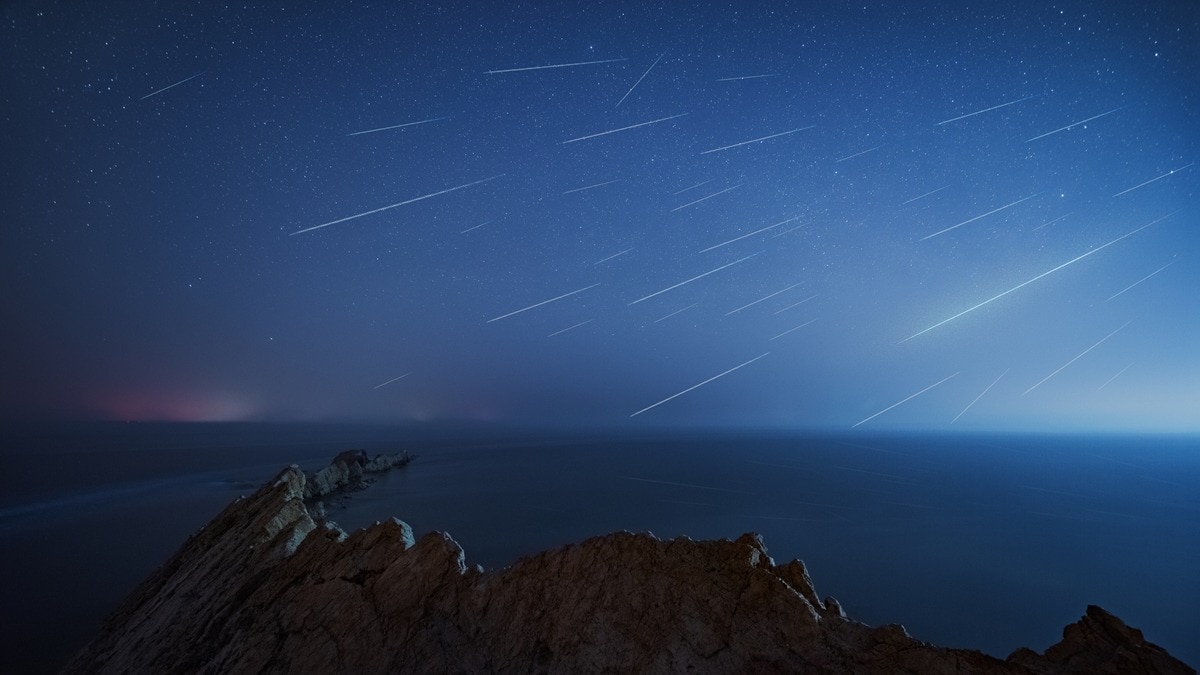
The Perseids meteor shower will peak over India tonight and into early August 13. A New Moon should keep skies darker, though clouds and city lights may limit visibility.Perseids Meteor shower will peak tonight. (Photo: Getty)Skywatchers across India have a chance to witness one of the year's most spectacular meteor showers as the Perseids reach their peak on Wednesday, continuing into the early hours of August 13.The annual shower is known for producing bright, fast meteors and occasional fireballs. NASA lists the Perseids among the year's most prominent meteor showers.WHAT TIME SHOULD YOU WATCH IN INDIA?For Indian observers, the best viewing window is after midnight and before dawn.You can start looking from around 11 pm IST, but the chances of spotting meteors improve in the early morning hours, particularly around 2 am to 5 am IST, depending on the conditions in the sky. Perseids are created by debris left behind by Comet 109P/Swift-Tuttle. (Photo: Getty) There is no single moment when the sky suddenly fills with meteors, the activity builds around the peak.The best strategy is to find a location with a clear, unobstructed view and minimal light pollution. Rural areas, mountains and dark-sky locations are preferable to cities. Give your eyes around 20-30 minutes to adjust to the darkness and avoid bright phone screens. FOLLOW TOTAL SOLAR ECLIPSE LIVEWHERE DO THE PERSEIDS COME FROM?The Perseids are created by debris left behind by Comet 109P/Swift-Tuttle.As Earth travels around the Sun, it repeatedly passes through the comet's dusty trail. Tiny particles slam into Earth's atmosphere at roughly 59 kilometres per second, heat up and vaporise, producing the streaks of light we call meteors.The meteors appear to radiate from the constellation Perseus, which is why the shower gets its name. But Perseus isn't actually producing the meteors, it is simply the direction from which they appear to come.WHY IS THIS YEAR'S PERSEID SHOWER SPECIAL?The Perseids happen every year, so the shower itself is not rare. What makes the 2026 display unusual is the timing: it coincides with a New Moon, meaning there will be very little moonlight washing out the fainter meteors. There is no single moment when the sky suddenly fills with meteors. (Photo: Getty) NASA describes the August 12-13 peak as occurring under dark skies.Under ideal conditions, the Perseids can produce dozens of meteors per hour, with peak rates potentially reaching around 50-100, although actual numbers from India will depend heavily on clouds, light pollution and the radiant's position in the sky.So tonight, step away from the city lights, look toward the northeastern sky, and let the night sky do the rest.- EndsPublished By: Sibu Kumar TripathiPublished On: Aug 12, 2026 18:12 IST
Perseids meteor shower to peak tonight: How to watch it from India
Full Article
Original Source
Read the full article at Indiatoday →KhanList aggregates and links to publicly available news content. We do not host full articles from third-party sources. Always verify important information with original sources.