
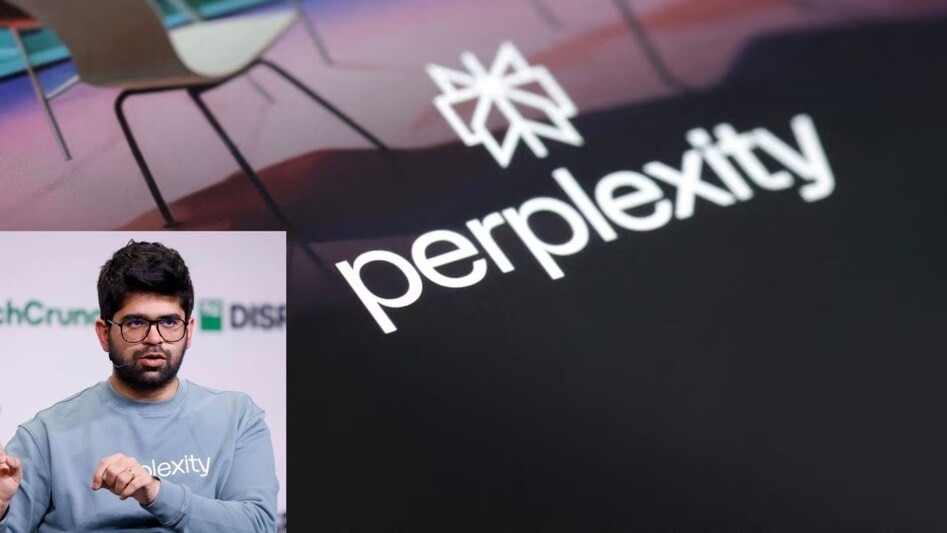
What if an AI could travel back in time, read old news, and learn how to predict what happens next? That is the idea behind Perplexity’s new tool, Time Machine. Announced on November 25, 2026, it is built into Perplexity’s Search and Context APIs and lets developers freeze the internet on any date they pick, going back up to 365 days at launch.Announcing the launch on X, Perplexity CEO Aravind Srinivas wrote, "We're building a time machine for the internet. Perplexity Time Machine shows a model the web exactly as it was on any date you pick. This allows you to post-train agents that can be good at predicting the future. Live today in our Search and Context APIs."Why does AI need a time machine?Testing if an AI can truly predict real-world events is tricky. If you ask an AI today who won a past election or how a company’s earnings turned out, it can simply search the live web and read the answer. Instead of learning to reason, the AI cheats.Time Machine fixes this by locking what the AI can see to a past date. Developers can ask a question from earlier in the year, let the AI research only the news available then, and grade its prediction against what actually happened. Teams can also use it to test financial strategies hours before an earnings call or policy announcement, debug AI agents, or check how a website’s pricing and terms of service changed over time.How Perplexity Time Machine worksEvery time Perplexity’s crawler visits a webpage, it saves a dated copy, building a version history for every link. Developers simply add a snapshot_as_of timestamp with a time zone to their API request. Search then pulls only pages published or crawled by that cutoff. Even if a page was updated later with the final outcome, Time Machine swaps it for the older saved version, keeping the original title, date, and snippet intact. Passing the same timestamp to the Context API lets the AI read the full archived text without touching the live web. If no copy existed back then, the system returns no content.Can it really help AI predict the future?To test the tool, Perplexity used reinforcement learning to train a model called GLM-5.3 Flash on resolved 2026 political questions from Polymarket. Before training, the model scored 0.94 on the live web because it could look up answers, versus 0.77 with Time Machine. Polymarket’s own market odds scored 0.79.During live-web training, about 90 per cent of training groups taught the model nothing because it kept finding answers immediately. With Time Machine, that dropped to roughly 25 per cent. After training, the model’s score rose from 0.77 to 0.80, edging past Polymarket’s 0.79.Perplexity also tested Time Machine against rival Exa Snapshot across three sets of 1,000 queries covering random topics, news, and prediction markets. Time Machine returned publication dates on 98.8 per cent to 99.5 per cent of pages, compared to 66.1 per cent to 77.7 per cent for Exa. In the random test, only 0.25 per cent of Time Machine pages across 18 queries leaked future information, versus 1.10 per cent of Exa pages across 62 queries.Pricing and growing competitionTime Machine is live now for existing Perplexity API users with no extra setup or fee. It costs the same as standard calls: $5 per 1,000 Search requests and $1 per 1,000 Context URL fetches.The launch arrives a day after Epochal, a startup by three xAI co-founders, unveiled a rival called Time Portal. While Perplexity currently goes back a year, Epochal claims a 30-year archive, showing that clean records of the past web are fast becoming AI’s next big battleground.- Ends
Perplexity's Aravind Srinivas built a web Time Machine so AI predicts the future
Full Article
Original Source
Read the full article at Indiatoday →KhanList aggregates and links to publicly available news content. We do not host full articles from third-party sources. Always verify important information with original sources.