
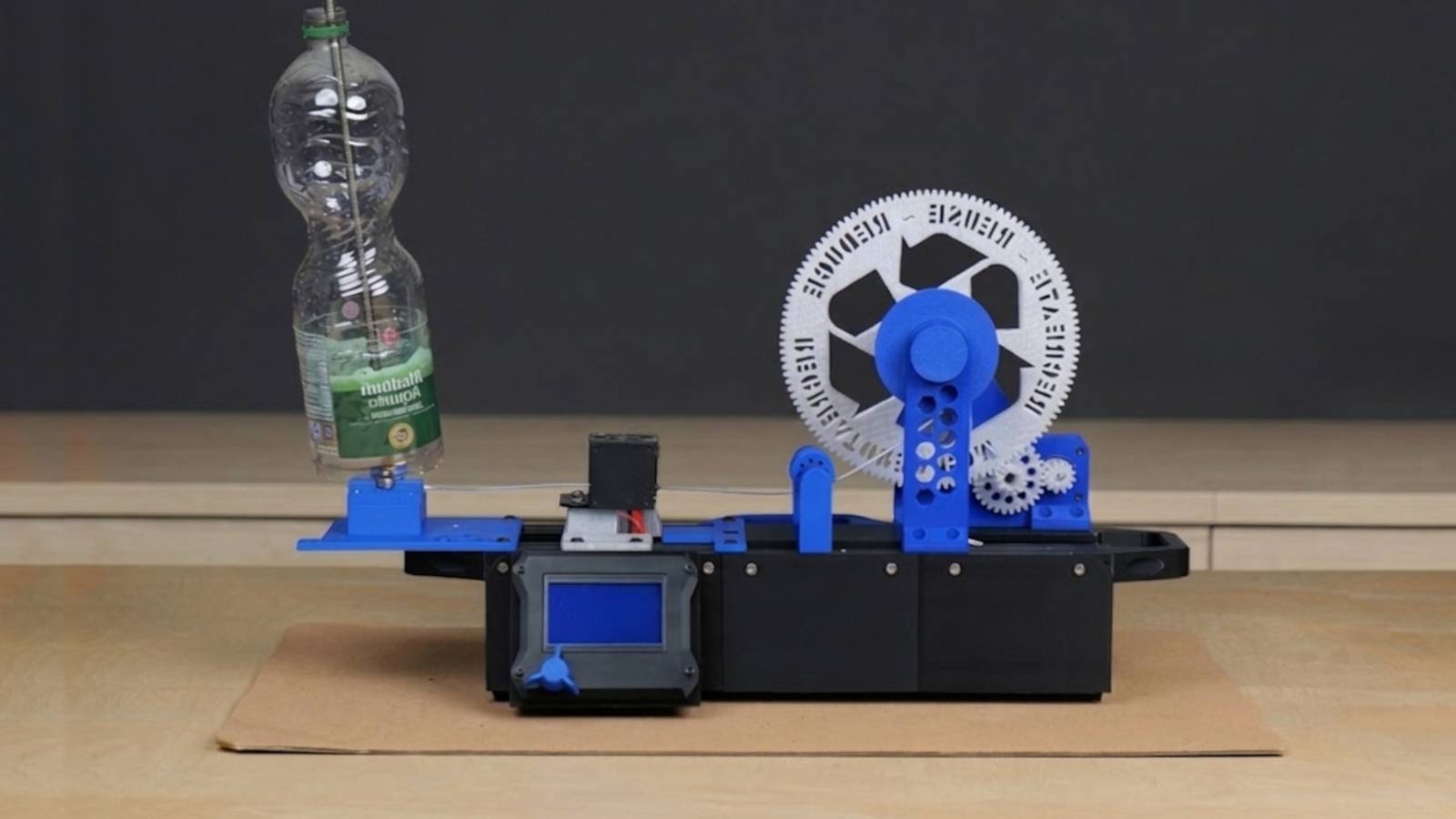
Published Oct 29, 2026, 12:00 PM EDT Joe Fedewa has been writing about technology for over a decade. Android and the rest of the Google ecosystem have been a focus for years, as well as reviewing devices, hosting podcasts, filming videos, and writing tutorials. Joe loves all things technology and is also an avid DIYer and food blogger. He has written thousands of articles, hundreds of tutorials, and dozens of reviews. Before joining How-To Geek, Joe worked at XDA-Developers as Managing Editor and covered news from the Google ecosystem. He got his start in the industry covering Windows Phone on a small blog, and later moved to Phandroid where he covered Android news, reviewed devices, wrote tutorials, created YouTube videos, and hosted a podcast. From smartphones to Bluetooth earbuds to Z-Wave switches, Joe is interested in all kinds of technology. After several years of jailbreaking and heavily modifying an iPod Touch, he moved on to his first smartphone, the HTC DROID Eris. He's been hooked ever since. 3D printing may not be the most expensive hobby, but it's certainly not cheap. The more you print, the more filament you need to buy — and there are different colors, finishes, and materials to consider. That's why some people are using plastic water bottles. The concept isn't as far-fetched as it may seem. Most filament that you buy was melted down from plastic in various forms. Your 3D printer doesn't care what the plastic used to be in a former life. However, it's not as easy as simply feeding a plastic bottle into the hot end. The wonderful world of plastic bottles So many different plastics Credit: fifindr / MakerWorld If you're into 3D printing, you already know there are many types of plastic to choose from. PLA, PETG, and ABS are a few of the most common — but not when it comes to manufacturing plastic bottles and containers. Disposable bottles for water, sports drinks, juice, mouthwash, cooking oils, soda, and other carbonated beverages are typically made with Polyethylene Terephthalate (PET or PETE). This is the most common material used for plastic bottles. PET is lightweight, relatively rigid, and usually translucent. The second most common type of plastic you'll find holding liquids is High-Density Polyethylene (HDPE). It's what classic milk jugs are made from, as well as bottles for laundry detergent, shampoo, conditioner, soap, and household cleaning products. HDPE is tougher than PET, rigid, and opaque. If you're thinking High-Density Polyethylene implies the existence of Low-Density Polyethylene, you'd be correct. LDPE is typically used for thin, squeezable bottles. Polypropylene (PP) is another common choice for these types of bottles. There are plenty of others to mention, but for 3D printing, PET is the material that people have been recycling as filament. Let's take a look at some of the creative methods for pulling it off. Turning plastic bottles into filament It's not magic, but it might be just as cool There are multiple methods for recycling plastic PET bottles into filament, but the general idea is always the same. First, you cut the bottle into long, thin strips. The strip is then fed into some sort of heated nozzle, which melts it into the appropriate filament size. However, you don't actually have to build your own processing device from scratch. The Recreator 3D might be the most popular choice for doing this. It's a method that converts a broken Ender 3 into a full-featured bottle-to-filament production machine. The machine cuts the bottle, pulls in the plastic, melts it to the correct dimensions, and feeds it out onto a filament roll. The folks behind the project provide a full shopping list of parts to buy and print, or you can buy the pieces from them. It's really pretty amazing. Another option is the PETamentor2, which is a more involved DIY build. Once again, it's the same general concept, though. The bottle is cut on one end, pulled through a heated nozzle, and wrapped onto a filament roll. The difference with this method is that it is much more 3D printed, and you have to source the other components separately. It's not quite as simple as taking parts from a broken 3D printer. Of course, there are plenty of other takes on the same idea — and the plans for these builds are almost all available for free. Take a look around YouTube, Thingiverse, or Printables, and you'll find alternative options. How does it actually work for printing? All this effort should be worth something Now, all of this is well and good, but it's not worth the hassle if the resulting filament isn't very good. PET itself is a great material, but print quality is highly dependent on filament quality. The YouTube channel CNC Kitchen used recycled PET filament from the Recreator 3D and tested its strength. After a little tweaking, the results were impressive. The tensile strength was higher than that of PETG, but below that of PLA. Layer adhesion was right around the same as PLA. Hook strength was only below a polycarbonate blend. The main downside to PET filament — and why you can't really find it to purchase — is that it can crystallize if it spends too much time at high temperatures. This changes its strength, and can clog the nozzle during printing. PETG is a modified version of PET that doesn't have this problem. Anyway, it's cool to see people trying to reduce the amount of plastic being used for 3D printing. I know that I throw away a ton of prototypes and failed prints. It would hurt less if I knew the material had recently been a bottle of Coke Zero.
People are turning water bottles into free 3D printer filament, and it's not as crazy as it sounds
Full Article
Original Source
Read the full article at Howtogeek →KhanList aggregates and links to publicly available news content. We do not host full articles from third-party sources. Always verify important information with original sources.