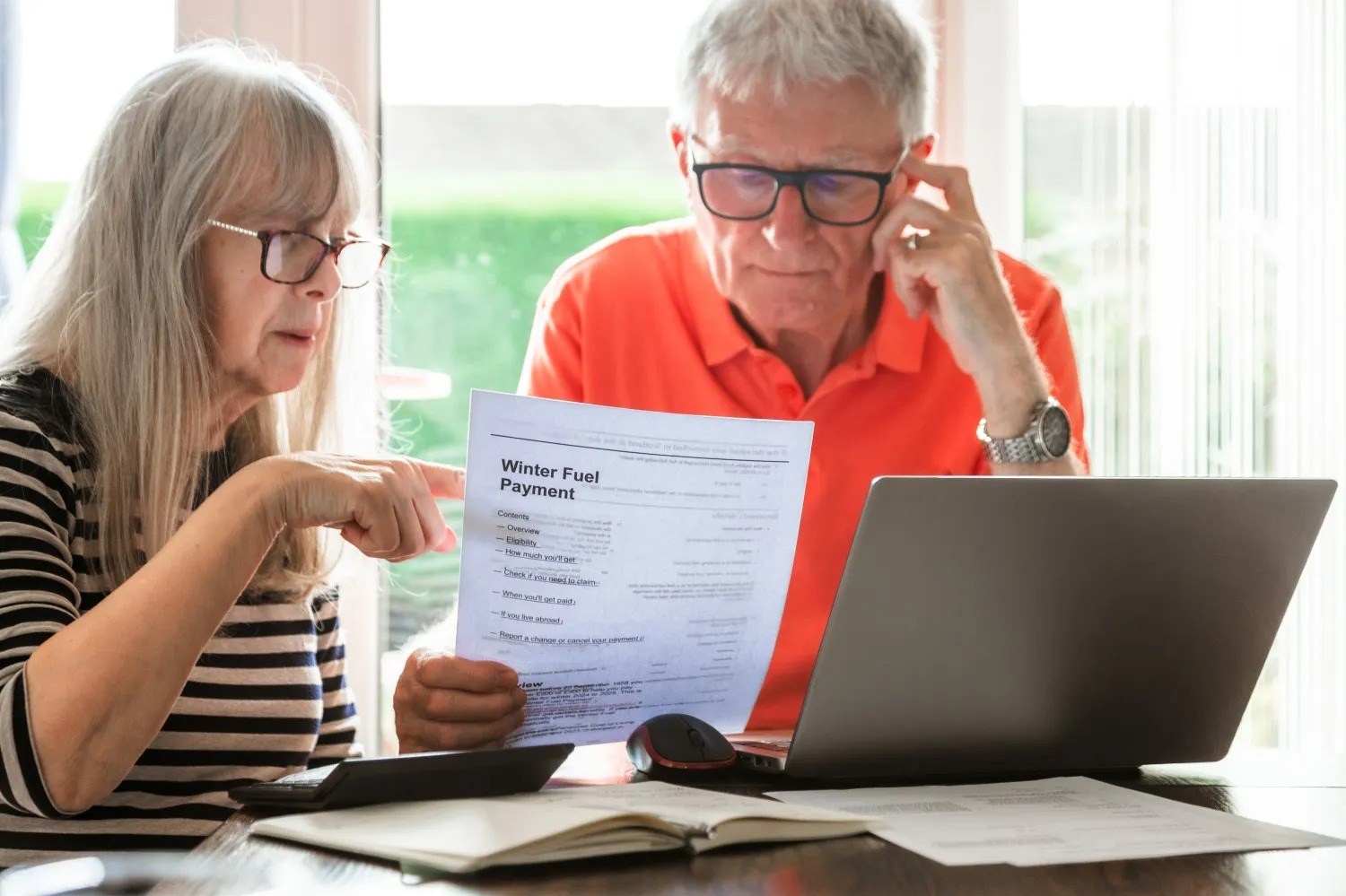
PENSIONERS are paying out nearly £30billion in income tax a year, in what has been dubbed a “stealth raid” on their finances. New figures published today by HMRC have revealed the number of pensioners paying income tax has jumped to 9.6million in the 2026/27 tax year. That’s up from 8.8million the previous year, and 7.1million the year before. Income tax is a government tax on earnings including wages, pensions and rental profits, and it’s paid out on any income above £12,570 a year. Sign up for the Money newsletter Thank you! In recent years, a growing number of retirees have been dragged into paying income tax because of a process called fiscal drag. The personal allowance, which is the threshold at which you start paying out income tax, has been frozen since 2021. Get FREE tax guidance about inheritance, property and capital gains worth £250 * If you click on this link we will earn affiliate revenue Are you sick of handing over your hard-earned cash to the taxman? You could slash your tax bill legitimately with the right planning, from inheritance tax on your home to savings and pensions. Award-winning financial advice firm Kellands Chartered Financial Planners are offering Sun Money readers a free one-hour consultation with their experts worth £250. Claim your free session today Kellands (Hale) Limited is authorised and regulated by the Financial Conduct Authority. FCA Firm Reference No: 193498 That means that as the state pension has increased each year under the triple lock policy, it has crept closer to the personal allowance threshold. Retirees with private pensions or other earnings are therefore finding more of their income is being taxed each year. The HMRC figures show the amount of tax paid by retirees each year is now £29.6billion. That’s compared with £21.1billion two years ago, an increase of over 40%. Most read in Money It’s also meant that the cost of income tax relief on pensions has soared, which will be worrying for the taxman. The tax relief cost £47.8billion in the 2022/23 tax year but it’s now at a whopping £60.4billion – an increase of a quarter. When you pay into your pension, the government usually adds a top-up payment called tax relief. The amount of tax relief you get is based on your income tax rate – which is either basic, higher, or additional, depending on how much you earn. Because income tax thresholds have been frozen for the last five years, it’s meant more people have been pulled into higher tax bands as their wages have increased. The cost of pension tax relief is greater for higher-rate taxpayers, who get relief at 40%, than for basic rate taxpayers, who get relief at 20%. The number of higher-rate taxpayers was 5.1million in the 2022/23 tax year but it’s since risen to 6.6million in 2024/25. In the current tax year, the figure has risen again to 7.7million. Steve Webb, partner at LCP and a former pensions minister, said: “The constant freezing of tax thresholds and allowances has dragged millions more people into paying higher rates of income tax. “But frozen personal allowances mean that the number of pensioners paying income tax has also risen steeply, and the tax bill on pensioners is up dramatically.” Mr Webb said the government might be tempted to slash pension tax relief to reduce the cost, but this is unlikely to happen. “The politics become very difficult half way through a Parliament. Any change would be complex and technical and could take years to implement,” he said. “It would deliver little money this side of the next election but would be hugely politically unpopular. “ How does the state pension work? AT the moment the current state pension is paid to both men and women from age 66 - but it's due to rise to 67 by 2028 and 68 by 2046. The state pension is a recurring payment from the government most Brits start getting when they reach State Pension age. But not everyone gets the same amount, and you are awarded depending on your National Insurance record. For most pensioners, it forms only part of their retirement income, as they could have other pots from a workplace pension, earning and savings. The new state pension is based on people’s National Insurance records. Workers must have 35 qualifying years of National Insurance to get the maximum amount of the new state pension. You earn National Insurance qualifying years through work, or by getting credits, for instance when you are looking after children and claiming child benefit. If you have gaps, you can top up your record by paying in voluntary National Insurance contributions. To get the old, full basic state pension, you will need 30 years of contributions or credits. You will need at least 10 years on your NI record to get any state pension. Comment now
Pensioners paying nearly £30billion a year in income tax in stealth raid
Full Article
Original Source
Read the full article at Thesun →KhanList aggregates and links to publicly available news content. We do not host full articles from third-party sources. Always verify important information with original sources.