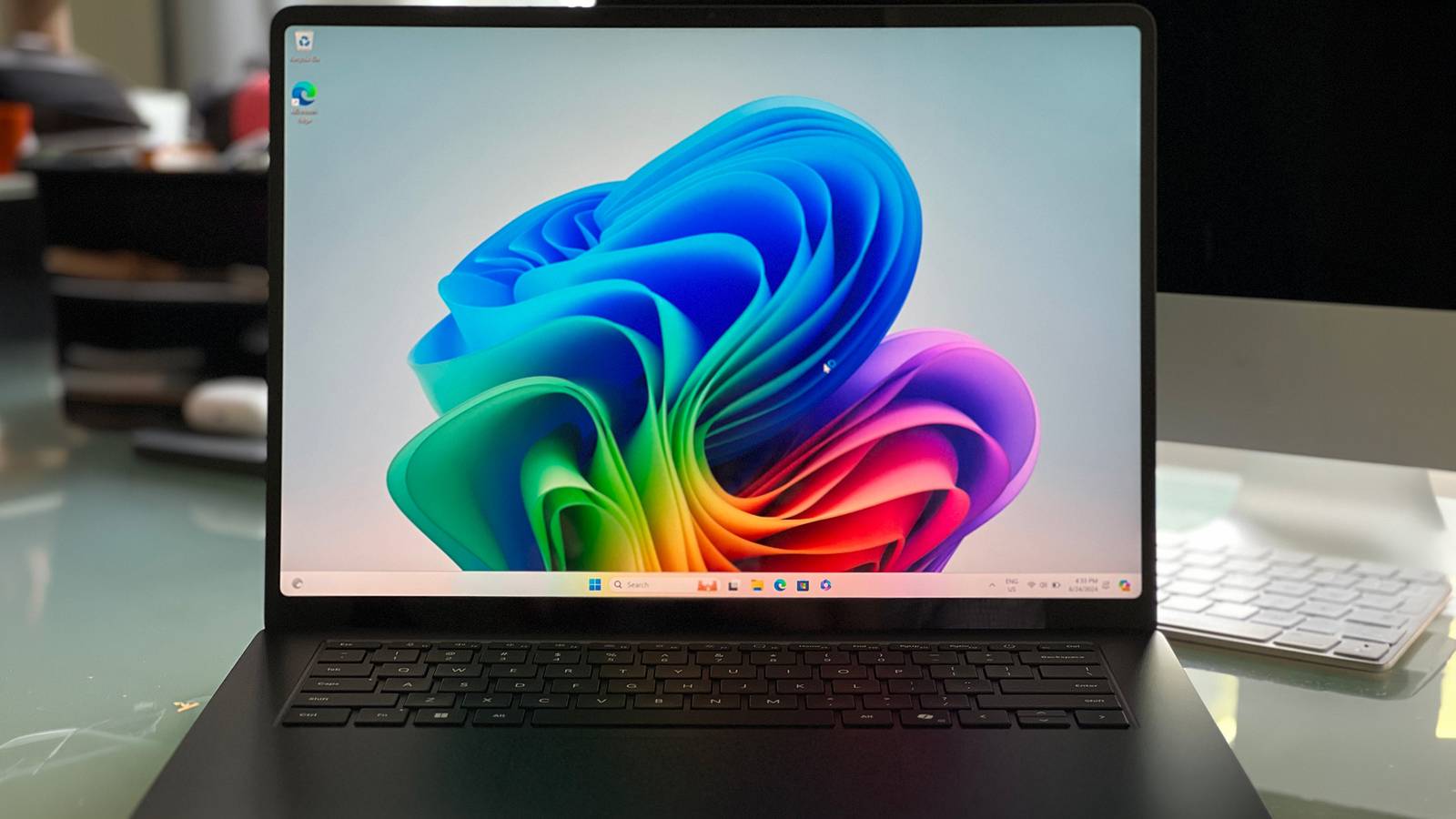
Windows 11 on a Microsoft Surface Laptop 7.Credit: Jon Fingas / How-To Geek Published Aug 3, 2026, 7:30 AM EDT Jon is a seasoned journalist who has written definitive coverage of consumer tech at publications like Engadget, Android Authority, and BetaKit. He's an expert on making tech accessible ranging from mobile and PCs to emerging platforms like wearables. When he's not writing, he's going on adventures with ihis family and is an avid photographer. Sign in to your How-To Geek account When Microsoft intervened after LG was accused of using monitors to install adware, that was a wake-up call. Windows 11 is finally getting better after years of complaints, but PC and component makers aren't. And it's not just junk software that creates problems — it's shoddy designs that make Windows look bad, and disjointed customer support that pushes users to the breaking point. If Microsoft wants to rehabilitate Windows, it needs to do more than polish the OS. It needs to curb PC makers' worst behavior and ensure the hardware matches the intended software experience. Here's how Microsoft can fix its ecosystem so that people don't switch to Linux or the Mac out of rage. Cut back on Windows adware and bloatware Limit what companies are allowed to install Credit: Dibakar Ghosh | How-To Geek It's no surprise that many Windows PC brands install adware and bloatware. Their profit margins are frequently thin enough that bundling an antivirus suite or game can substantially improve their bottom line. Unfortunately, we users pay the price with slowdowns, reduced available storage, and unwanted pop-ups. While it would be harsh to outright ban third-party software bundles for Windows PCs and components, Microsoft needs to set firm limits on what companies are allowed to include. Adware should go away, of course, as it's irritating and can even pressure you into subscriptions you don't need. There should also be tight restrictions on bloatware that drains system resources or misleads users. The barriers should be even higher for peripherals. I shouldn't be afraid that plugging in a monitor or mouse will lead to a barrage of ads. Limit default installations to necessary utilities, and make sure optional software requires explicit permission. It's telling that the Surface line runs 'pure' Windows: Microsoft wants to show its OS the way it's meant to be used, without third-party ads or bloat. If PC vendors can get closer to that ideal, they'll get rid of the frustrations that lead some people to abandon Windows. Make PC designs worthy of Windows You shouldn't feel like you're settling That Asus and other Windows PC makers expressed "shock" at the MacBook Neo was a condemnation of their own practices. While you can certainly find high-quality Windows systems, the budget space has been predictably low-rent: ancient processors, flimsy plastic cases and dull displays are just some of the issues. Intel has routinely helped vendors step up through quality initiatives like Project Firefly, and there's evidence companies are listening: the new Dell XPS 13 is both well-built and good value. But it shouldn't be up to chip designers to improve an entire platform, and Microsoft's lack of involvement has made Windows synonymous with lousy computers: it's what you get with a clearance sale PC. I don't want Microsoft to dictate every facet of PC design. That's what Surface is for. But it should take an Intel-like interest in improving the overall quality of Windows computers. If it does, it can avoid the sour experiences that drive some people to certain Linux machines and Macs. End the customer support nightmare Simpler, more effective help will do wonders Credit: Dialing telephone keypad concept for communication, contact us and customer service support As great as Windows' hardware diversity is, it also makes customer support a tangled mess. While you usually speak with your PC maker when things go sideways, you might have to talk to Microsoft or a component brand — and that can be infuriating. I witnessed that frustration first hand as a technical support agent, when customers would fume when I asked them to call someone else. And then there's the quality of the service itself. You've likely heard horror stories of companies that make you troubleshoot for hours and struggle when any problem requires going off-script. As much as support has improved, it's all too common to dread calling or chatting with some Windows PC producers. I don't expect any one company to handle all aspects of Windows PC support given the sheer size of the ecosystem. But it could do more to streamline the number of support options, and raise the bar for the service customers get. I should know that I'll get the help I need, and that there will almost always be a technician who can fix even complicated glitches. Microsoft can't replicate Apple's support model as it doesn't usually make both the hardware and software, and it wouldn't be realistic to reopen stores just to speed up that support. If it can get even slightly closer to a one-stop-shop approach to customer service, however, it could prevent some of the nightmares that drive Windows PC owners into competitors' arms.
PC makers are ruining Windows, and Microsoft finally needs to do something about it
Full Article
Original Source
Read the full article at Howtogeek →KhanList aggregates and links to publicly available news content. We do not host full articles from third-party sources. Always verify important information with original sources.