
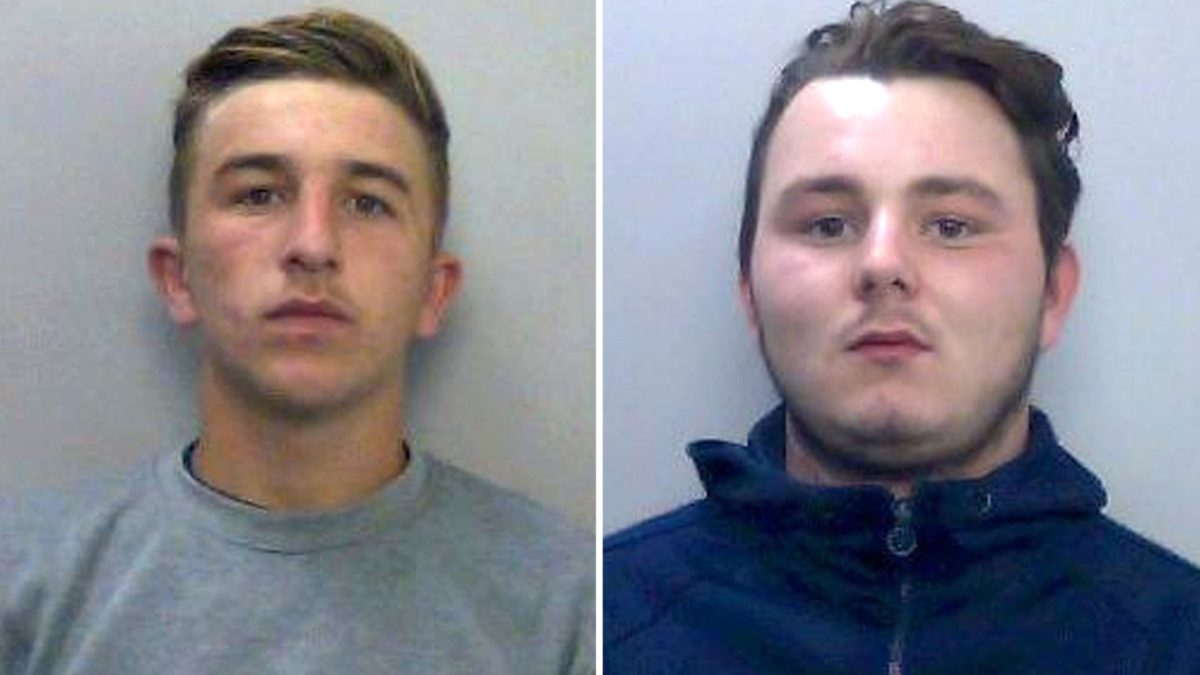
Two men tied to the killing of PC Andrew Harper will remain behind bars after Andy Burnham unveiled changes to the Government’s early release scheme. Speaking to the BBC on Sunday, the Prime Minister said anyone convicted of unlawful killing, including manslaughter, will be excluded from the scheme. Under the Government’s original plans, those convicted of manslaughter were eligible for early release. Shorts What has Burnham said? Burnham said his decision to change who was eligible for the scheme was due in part to pleas from PC Harper’s family, who had expressed shock his killers could be let out of prison before completing their sentences. “I heard obviously what Andrew Harper’s family were saying, I mean who couldn’t?” the Prime Minister said. “Nobody would want a position to arise where those guilty of killing a police officer are let out early from prison.” Changing the scheme’s eligibility criteria will mean hundreds of inmates will remain behind bars, placing further strain on a prison system which is already more than 97 per cent full in England and Wales. Burnham acknowledged this, but maintained extra spaces would instead be created through the deportation of foreign criminals and releasing a number of inmates serving indefinite sentences. Pressed on how many foreign criminals could be deported, the Prime Minister said the Government hoped to remove “hundreds” from the system. What changes has the Government made? In addition to keeping those convicted of manslaughter behind bars, the Government will also ensure those who have been convicted for indecent assault and those convicted for death by dangerous driving will no longer be eligible for early release. Burnham also confirmed the Government would seek to end Imprisonment for Public Protection sentences (IPPs). IPPs were available between 2005 and 2012 for offenders who were assessed to pose a significant risk of causing serious harm to the public. Those handed such a sentence could only be released once the Parole Board determined they no longer posed a threat, essentially meaning some offenders could be held indefinitely. The Prime Minister said he held “long-standing concerns” about IPPs and said he believed the public would “prefer a situation where people who have served their time to be considered for release before those who haven’t”. Data from the Ministry of Justice shows, as of June, 2,271 people are serving IPPs across the UK.
PC Harper’s killers to be denied early release – everything to know
Full Article
Original Source
Read the full article at Inews →KhanList aggregates and links to publicly available news content. We do not host full articles from third-party sources. Always verify important information with original sources.