
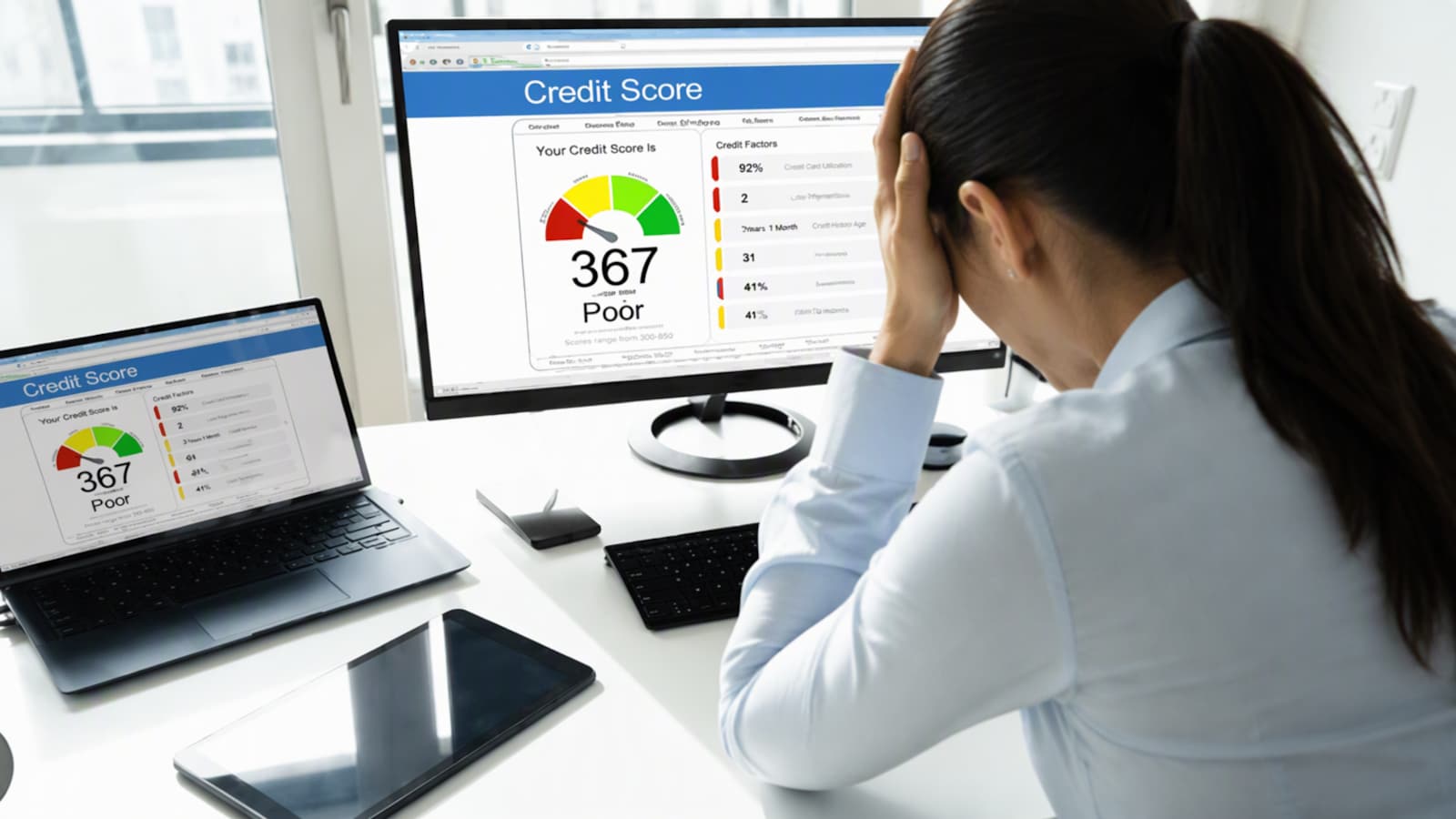
Buying a smartphone on EMI, splitting the cost of furniture into monthly payments or taking a small loan to fund a holiday has become easier than ever. For young salaried professionals, digital lending offers quick access to money without the need to make large upfront payments.But taking several small loans can have consequences beyond monthly repayments. A long list of active loans and repeated applications for credit may affect a borrower's credit score and make it harder to secure a bigger loan later, such as a home loan.The risk is not limited to borrowers who miss EMIs. Even those who repay their dues on time need to pay attention to how frequently they borrow and how much unsecured debt they carry.Also Read | Layoffs Are Rising In Tech, But These Skills Are Helping People Unlock Better PayHow Multiple Micro-Loans Can Affect Your Credit ScoreAdhil Shetty, CEO of BankBazaar, told NDTV that every time a person applies for a loan or credit product, the lender may check their credit report. This is generally recorded as a hard inquiry. "A large number of such inquiries over a short period can affect the borrower's credit profile and may lower the credit score," he added.However, the impact depends on the credit bureau's scoring model and the borrower's overall credit history. Applying for several loans does not automatically lead to a significant drop in every case.The number of active loans also matters. Multiple outstanding unsecured loans can indicate that a borrower is relying heavily on credit to meet everyday expenses or fund lifestyle purchases. Lenders may consider this when assessing an application, even if the borrower has maintained a good repayment record.Why Small Loans Could Affect Your Home Loan ChancesThe consequences can become more significant when a borrower applies for a large loan.Home loans involve substantial sums and long repayment periods. Lenders assess several factors before approving an application, including the borrower's income, existing EMIs, repayment history, credit score and overall debt burden.A borrower with multiple small loans may have less disposable income available to repay a new loan. This can affect the lender's assessment of repayment capacity.Shetty said frequent micro-borrowing and multiple active unsecured debts can affect a person's credit score and eligibility for larger loans. "Multiple active unsecured debts, even of nominal value, lower your overall credit score and reduce your borrowing eligibility for major credit lines," he added. Notably, state-run banks pay close attention to factors such as the debt-to-income ratio and the number of loans a borrower has taken.However, multiple micro-loans do not automatically disqualify someone from getting a home loan. The final decision depends on the lender's policies and the applicant's overall financial profile. Borrowers who do not meet one lender's eligibility requirements may explore other lenders. But they should compare interest rates, processing fees and repayment terms rather than assume that private lenders or non-banking financial companies (NBFCs) will always approve their applications.How To Protect Your Credit ScoreAccording to Shetty, borrowers with several small loans can take steps to improve their credit profile.Avoid unnecessary loan applications: Do not apply for multiple credit products simply because they are easy to access. Compare options before submitting an application.Repay outstanding dues: Make timely payments on all existing loans. Missed or delayed EMIs can damage your credit history and make future borrowing more difficult.Reduce your outstanding debt: If you have several loans, prioritise repayment based on your interest costs, outstanding balances and repayment terms. Avoid taking a fresh loan without assessing whether it will actually reduce your overall borrowing burden.Close loans carefully: Once a loan has been fully repaid, check with the lender about closure formalities. Obtain a No Dues Certificate or other written confirmation where applicable, and verify that the account status is correctly reflected in your credit report.Check your credit report: Review your report periodically for errors, loans you do not recognise and accounts that remain active despite repayment. Raise a dispute with the lender and credit bureau if the information is incorrect.Shetty said borrowers should consolidate outstanding unsecured micro-debts where appropriate and close accounts systematically. He also stressed the importance of maintaining a clean repayment record. "Maintaining a clean repayment track record over the next twelve months is critical to rebuilding your credit score before approaching primary lenders for major asset financing," he added.
Paying Every EMI On Time? Multiple Small Loans May Still Hurt Your Credit Score
Full Article
Original Source
Read the full article at Ndtv →KhanList aggregates and links to publicly available news content. We do not host full articles from third-party sources. Always verify important information with original sources.