
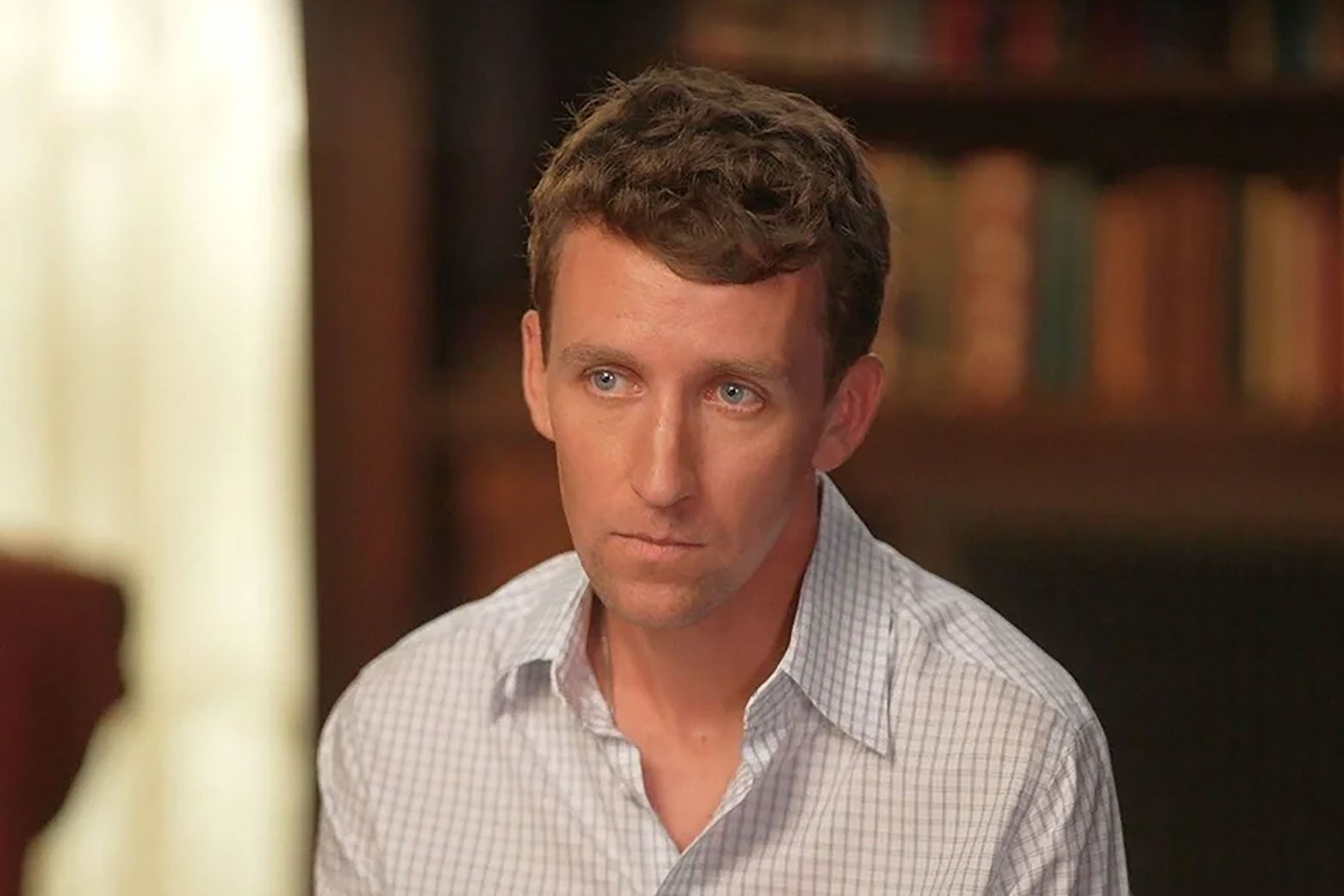
Family Patrick Clancy Has Spoken. Absolutely No One Can Agree On What It Means. The new 60 Minutes is no longer an institution you can trust for the final word. By Enter your email to receive alerts for this author. Sign in or create an account to better manage your email preferences. Unsubscribe from email alerts Are you sure you want to unsubscribe from email alerts for Scaachi Koul? Sept 21, 20263:36 PM 60 Minutes/CBS Sign up for the Slatest to get the most insightful analysis, criticism, and advice out there, delivered to your inbox daily. Bari Weiss’ 60 Minutes was never going to change hearts and minds. Since the former New York Times columnist and Free Press founder took over as CBS editor in chief in 2025, the show has changed drastically and perhaps for the worse. Veteran reporters like Scott Pelley and Sharyn Alfonsi were fired as executives meddled more and more in the show. Unqualified replacements, like former Times columnist Nick Bilton, who has never produced a news television show before, took over as 60 Minutes’ executive producer. At this rate, if the show replaced its iconic ticking stopwatch with an A.I.-generated image of an iPhone clock, it wouldn’t even be that surprising. But last night, for its second episode under Weiss, the show had a marquee guest destined to bring viewers back in, or at least to bring in the postbroadcast YouTube-clip crowd. Patrick Clancy, the ex-husband of Lindsay Clancy, who was recently on trial for killing her three children in what she says was a haze of postpartum psychosis, sat down for his first interview since the case ended in a mistrial. Interviewed by former anti-abortion columnist and Brain cosplayer Ross Douthat, Patrick Clancy sat down with his second wife, Dr. Rachel Danis (now also pregnant), to talk about his grief since losing his three children. Indeed, when it comes to what responsibility Patrick Clancy might bear for the deaths, neither hearts nor minds have been changed. The more pro-Clancy corners of the internet—like r/DuxburyDeathsFreeTalk, with its almost half a million visitors per week—remain staunchly on his side. “After a major tragedy some people just go to pot, physically age etc… turn to drugs, booze, ya know all that!” wrote one user just after the episode aired. “He’s done the opposite! He takes care of himself which is what we all should learn to do more of.” Meanwhile on TikTok, the people who previously believed that Clancy did it are no less shaken in their convictions. “Patrick wasn’t really asked anything by the host of actual substance,” said the Crime Junkie podcast on TikTok. “Literally every question that you guys would have for Patrick Clancy was not asked and was not answered. Watching this was tough for me … Interviews like this are important but they’re important when you ask the right questions.” Meanwhile, people online are dissecting the sincerity of his wife’s smile, replaying her words in slow motion to try to catch a flinch or a tick when she says “I can’t bring his kids back,” as if it’ll crack the case wide open. Inconsistencies between the teaser and the segment, namely details about how the two of them met that didn’t end up in the final interview segment itself, have been picked apart. Anyone who previously thought that Clancy was the one who killed the kids—something he has not been charged with or accused of by investigators or even the defense—still seemed to believe that even after watching his interview. The internet right now is filled with two people: one claiming they’re an empath and that Clancy’s interview made them weep in commiserating grief, and another also claiming they’re an empath and saying his interview made them feel nothing at all, sure that he was just faking it. The interview was a retread that has only made every viewer more entrenched in their beliefs about what happened in Clancy’s marriage. The 60 Minutes episode is a strange entry in this never-ending saga. It offers no real insight into the case, nor does it offer husbands a helpful framework for how to better support their own wives. Clancy didn’t give too many details about the warning signs he may have missed, and spoke only briefly about how the online mob has affected him personally since his children’s deaths. “It is a huge distraction from what really matters here, which is perinatal mental health,” he said. “It’s painful to see. And it makes it difficult to be in public, and it’s possible that some of those people, after seeing lie after lie after lie, they start to believe it.” The lackluster showing is a bleak reminder of how irrelevant 60 Minutes—once the last stop for a gutting, propulsive, and necessary interview—has become under the leadership of Weiss and her new producers. An interview with the father of three killed children, previously heard only through courtroom testimony, should have been an obvious slam dunk for the show. Instead, it was a mealymouthed 15-minute interview that left much of the audience furious and all of the audience wanting more. For those defending Clancy, 60 Minutes didn’t give him any actual real estate to talk about how the conspiracy theories about him have affected his life, or even his new marriage and soon-to-be fourth child. For those who believe he’s guilty, either directly or because he didn’t get his wife the medical care she needed when she said she was struggling, the interview was a passive victory lap. How could an interview like this end up so tedious in its final cut? Today, following the 60 Minutes interview, Lindsay Clancy’s defense attorney called for the judge to investigate the lone holdout juror, saying he filed his forms out inaccurately. He’s specifically asking the judge to look into the juror’s alleged history of domestic violence, as well as reports that he used his phone during deliberations, all details that would affect how fair the trial really was. Douthat didn’t ask Patrick Clancy or his new wife about this juror. There was no discussion about this piece of the trial, which has captivated media attention more than Clancy’s full interview did. Whether Lindsay is retried or not, Clancy will likely resume a private life, as is his right. What’s remaining are more compelling and worrying questions that will continue to affect wives and pregnant people: Do pregnant people have access to care when they experience postpartum depression? Have we, as a disjointed country, learned anything valuable about how to best listen to women when they say something is wrong with their physical or mental health? Have husbands learned how to better support their wives? Even when Douthat broached these topics, it was to skate across the surface. There are fringe benefits to that approach: If you don’t go that deep, you’ll never need to worry about nuance. All these questions are still lingering. All we know for sure is that 60 Minutes isn’t going to ask any of them. The new 60 Minutes is no longer an institution you can trust for the final word. By now, you can barely trust the show, it seems, for an interesting word. Crime Journalism Media TV
Patrick Clancy’s 60 Minutes Interview Should Have Been the Most Gripping Television of the Year. It’s Clear Where the Show Went Wrong.
Full Article
Original Source
Read the full article at Slate →KhanList aggregates and links to publicly available news content. We do not host full articles from third-party sources. Always verify important information with original sources.