
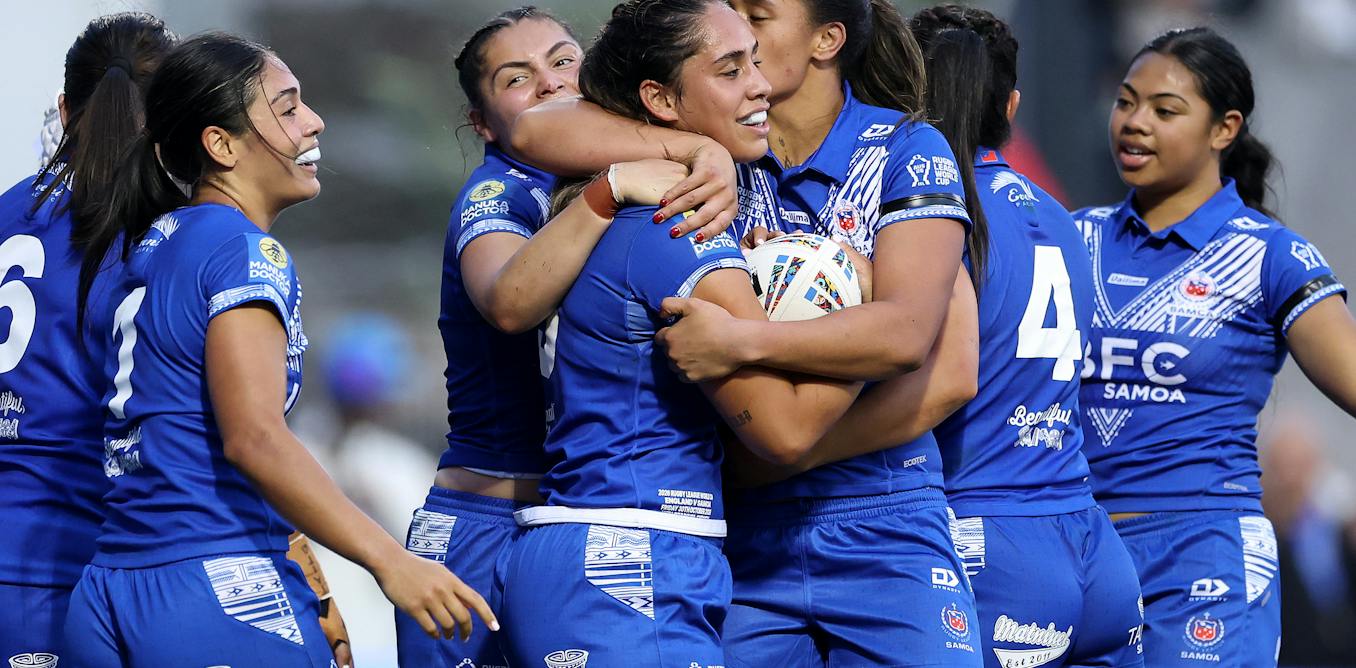
For Fetu Samoa and Fiji Bulikula, the 2026 Women’s Rugby League World Cup marked a historic breakthrough, with both nations reaching the semifinals for the first time. While each team came up short against New Zealand’s Kiwi Ferns and Australia’s Jillaroos respectively last weekend, their strong showing throughout the tournament highlighted the depth of Pasifika talent in the code. Interestingly, players of Pacific heritage featured across all four semifinal teams, reflecting the pathways that have enabled Pasifika women to compete at the highest level. Many players representing Pacific nations have advanced through development systems in Australia and New Zealand. However, opportunities within Pacific countries themselves remain much more limited. So what pathways are needed to ensure the next generation of Pasifika players can thrive closer to home? Paths to the top Building better pathways means more than identifying top talent. Girls need opportunities to enter the game and keep playing. This starts with local clubs, coaching, facilities and regular competitions providing a foundation for those hoping to reach elite levels. Currently, the routes players take to international rugby league vary considerably. Fiji’s world cup squad has just one locally based player, while Samoa’s team draws heavily on talent developed through Australia’s National Rugby League Women’s Premiership (NRLW) system. Meanwhile, Papua New Guinea’s Orchids include both Australian-based players and those who have advanced through domestic clubs and competitions. But where players are based only tells part of the story. It reveals little about where they first played, who supported their development, or the connections they maintain with Pasifika communities. Research with Pasifika men in Australian rugby league highlights the importance of migration, family, faith, culture and national allegiance in their experiences of the sport. While women’s experiences differ, the findings suggest pathways into international rugby league are rarely straightforward, or confined to a single country. Keeping women in the game The need to boost opportunities within Pacific nations comes as the Australian government commits A$250 million over ten years to the Pacific Rugby League Partnership with Papua New Guinea, Samoa, Tonga and Fiji. Plans include girls’ and national competitions, development pathways and academies, alongside education, leadership and employment opportunities. But how much of that investment will reach women and girls? And will Pasifika women have a meaningful say in how these programmes are designed and delivered? Much will depend on how the funding is allocated and what support is available on the ground. Research offers some insights into what makes sporting opportunities accessible. A netball-for-development programme in Tonga highlights the importance of family and community support, access to facilities and equipment, regular competitions and the volunteers who keep local sport running. Fiji’s Sienna Laing of Fiji celebrates a try with teammates during last month’s 2026 Women’s Rugby League World Cup match against the New Zealand Kiwis at McDonald Jones Stadium, Newcastle, Australia. Scott Gardiner/Getty Images More recent research in Fiji found that while sport can open doors for young people, young women face particular barriers, including domestic responsibilities, financial pressures and gender expectations. Practical support for women’s health is also important. A study involving Pacific sportswomen found that cultural expectations and family attitudes influence how menstruation is understood and discussed, as well as the information and support available to women in sporting environments. These findings highlight the need for investment beyond elite competitions and academies. Without accessible facilities, regular opportunities to play and support that responds to women’s circumstances, even well-funded development programmes risk leaving many girls behind. Making the next play The knowledge, relationships and experience women gain through playing can open doors to coaching, officiating, administration and leadership. Jillaroos head coach Jess Skinner has followed such a path. A Barkindji and Māori woman, she progressed from grassroots women’s rugby league in regional New South Wales to leading Australia’s national team. Along the way, she relied on family sacrifices, community support and mentors who helped her advance. She is also the only female head coach at this world cup. For Pasifika women, opportunities to lead are closely connected to culture, family, faith and community. Yet mainstream leadership models do not always recognise Pacific approaches, potentially overlooking women with valuable knowledge and experience. More culturally grounded development programmes would help bring these women into coaching, administration and decision-making roles. Women should not have to choose between pursuing professional opportunities overseas and contributing to the game at home. They should be able to do both. This builds stronger connections between domestic and international competitions allowing skills, experience and expertise to benefit rugby league across the Pacific. Success, then, shouldn’t be measured solely by the number of Pasifika women reaching the NRLW or international competition. It should also be evident in stronger local competitions, more women in coaching and leadership roles, and greater opportunities for the next generation to enter and remain in the game. Samoa and Fiji’s historic World Cup campaigns have shown what Pasifika women can achieve. The task now is to ensure that success translates into lasting opportunities for those who follow.
Pasifika women are making rugby league history. But what about the next generation?
Full Article
Original Source
Read the full article at Theconversation →KhanList aggregates and links to publicly available news content. We do not host full articles from third-party sources. Always verify important information with original sources.