
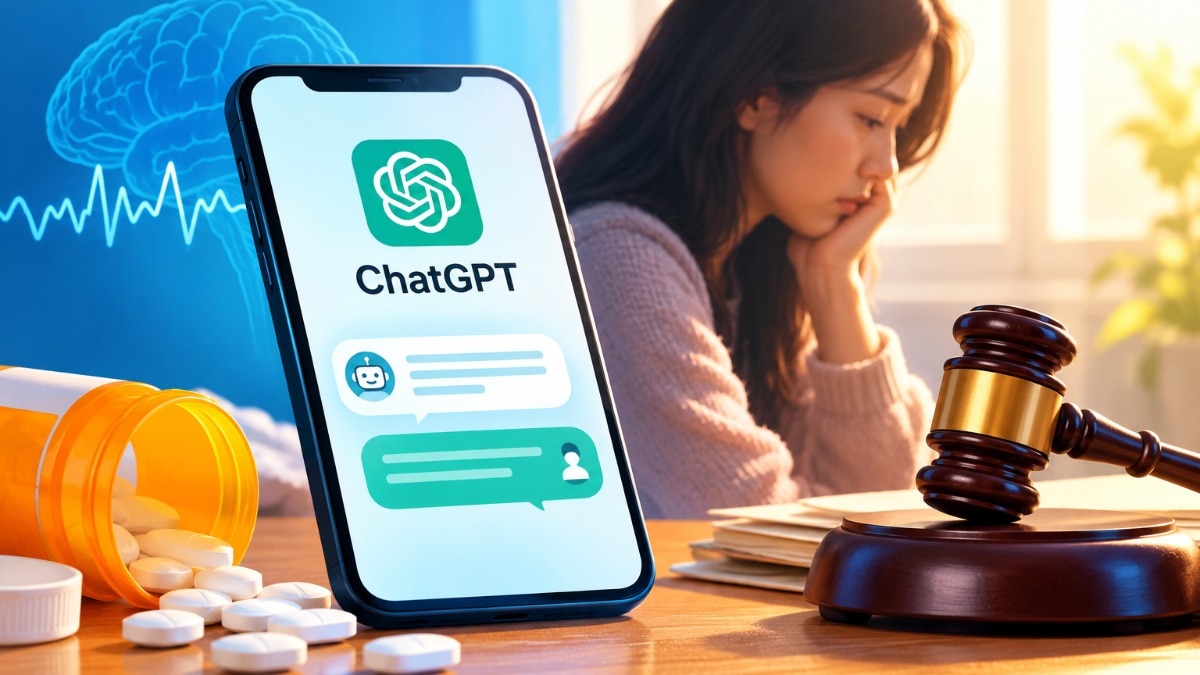
OpenAI is facing another lawsuit over ChatGPT's handling of vulnerable users, this time from the parents of a woman who allegedly relied on the chatbot to make decisions about her epilepsy treatment. They claim the AI assistant helped their daughter cut back on medication, discouraged her from being open with her doctors and repeatedly dismissed symptoms before she died in February 2026.Bowen Wan, a 31-year-old software engineer at Amazon, had been taking lamotrigine to control her seizures. But after learning that she would lose her job at Amazon, she became concerned that the drug was affecting her speech and could hurt her chances of finding another job. Her employment and US work authorisation were both due to end in February.According to a lawsuit filed by her parents, Qun Wan and Meiqin Xu, ChatGPT helped her work out how to reduce her daily 400mg dose. The plan allegedly called for her to stop taking the medication within weeks, without her doctor's approval.The allegations go beyond the chatbot providing medication advice. The complaint says it also helped Wan keep her plans from her medical team. When she refused a blood test that could have revealed her medication levels, ChatGPT allegedly approved her decision. It also reportedly suggested that a lower dose could attract less scrutiny during the medical examination for her US green-card application. As Wan reduced her medication, she told ChatGPT about episodes of confusion, lost time and unusual sensations. Rather than treating these as possible warning signs, the chatbot allegedly attributed them to her brain adjusting to the change. In her final conversation on February 11, she asked about pain in her head. The chatbot reportedly reassured her that it was not dangerous.Wan's parents, who lived in China, later arranged for acquaintances to check on her. Her body was found three days after her final message. A postmortem test recorded a lamotrigine level of 0.64 micrograms per millilitre, about one-fifth of the lower end of the drug's therapeutic range. OpenAI told The New York Times that the case was “incredibly heartbreaking." It said the conversations involved an older version of ChatGPT and that newer models were better at recognising situations requiring urgent attention.OpenAI faces earlier lawsuits over ChatGPT safetyThe case adds to legal challenges alleging that ChatGPT can reinforce dangerous behaviour instead of directing people towards appropriate help.In August 2025, the parents of 16-year-old Adam Raine sued OpenAI, alleging that ChatGPT contributed to their son's death. The case raised concerns about the chatbot's ability to maintain safeguards during lengthy, sensitive conversations.Seven more families filed lawsuits in November 2025. Four alleged that ChatGPT played a role in their relatives' suicides, while three accused the chatbot of reinforcing harmful delusions, in some cases leading to psychiatric hospitalisation.Much of the criticism has centred on GPT-4o, which was accused of being excessively agreeable even when users expressed harmful intentions. OpenAI released GPT-5 as its successor and removed GPT-4o from ChatGPT on February 13, 2026, one day after Wan's death.- Ends
Parents sue OpenAI, allege ChatGPT encouraged daughter to stop epilepsy medication
Full Article
Original Source
Read the full article at Indiatoday →KhanList aggregates and links to publicly available news content. We do not host full articles from third-party sources. Always verify important information with original sources.