
Some private schools have begun asking parents to sign a code of conduct to try and stop abusive behaviour towards teachers. In media reports, some principals have called out parents for a sense of entitlement, bullying of staff and refusing to admit when their child has misbehaved. Public schools are also taking new steps to try and curtail abusive parents. Victoria and South Australia have introduced laws to give principals powers to ban abusive parents from school grounds. This includes banning parents who are abusive in person, over email and phone or on social media. New South Wales is also considering similar laws. Why have such strong measures become necessary? How serious is the problem? Parents need to be able to question school decisions, raise concerns and advocate for their children. These are all important parts of meaningful parent engagement with education. But research clearly shows abusive behaviour towards teachers has been growing. For 15 years, Australian survey research has tracked school leaders’ experiences – this includes principals, deputy principals and other senior leaders. This has found parents and caregivers are a significant and growing source of threatening and abusive behaviour. In 2025, they were identified as a source in almost two thirds of reported threats of violence – in 2011, this figure was less than 25%. In 2025, nearly nine in ten cases of cyberbullying of school principals came from parents and caregivers. The impact is not confined to overt threats. Research tells us school leaders also manage persistent complaints, aggressive communication, and expectations of constant availability from parents. Teachers also report similar experiences, including excessive communication demands, verbal abuse and threatening behaviour. Why is this happening? Over recent decades, expectations of what schools can and should provide for students and families have expanded. Greater school choice and accountability have also changed the relationship between families and schools, with increased expectations around access, responsiveness and influence over educational decisions. Research has identified a more consumer-oriented relationship with schools. For school leaders, this can mean expectations of immediate responses, challenges to professional decisions, demands for individualised outcomes, and complaints being escalated when families are dissatisfied with a school’s response. Digital communication has made it easier for families and schools to communicate. It has also changed the speed, reach and consequences of these interactions. For example, concerns can quickly move into parent WhatsApp groups, social media, or other community networks. So disagreements can be amplified well beyond the original interaction. Laws can protect staff, but … School staff have the same right to a safe workplace as anyone else. But laws or codes of conduct only establish boundaries, restrict access and provide recourse when behaviour becomes unsafe. They cannot create respectful behaviour or rebuild trust once a relationship has deteriorated. This is why legislation should be understood as protection, rather than prevention. If a principal needs to stop a parent entering school grounds or contacting staff, the relationship is already in serious difficulty. So what can schools and governments do? No single intervention can prevent conflict between parents and schools. Clear expectations around communication and staff availability can establish boundaries early. This is where parent codes of conduct or behaviour agreements may be useful, by making expectations about respectful communication and the consequences of unacceptable behaviour explicit. But there is limited evidence that contracts themselves can prevent or resolve conflict once relationships have seriously deteriorated. School leaders and teachers also need better preparation to manage difficult conversations with parents, recognise when conflict is escalating, and know when to seek further support. They also need organisational backing, so they are not left managing a situation alone until it becomes untenable. This includes clear escalation process and senior or system-level support when interactions become persistent, unreasonable or abusive. There will, however, be circumstances when these approaches are no longer enough. When behaviour becomes threatening, intimidating or abusive, the priority must shift from repairing the relationship to protecting the people involved. What now? Schools need to remain places where families can engage, question and disagree, while also being a workplace where staff are safe. Neither should come at the expense of the other. A law can prohibit abusive behaviour, but it cannot produce respectful behaviour. It can protect staff when a relationship has broken down, but it cannot rebuild the trust that has been lost. That work has to begin much earlier, with clear expectations about communication, complaints and acceptable behaviour established before conflict occurs. Education systems also need to be prepared to intervene when relationships begin to deteriorate.
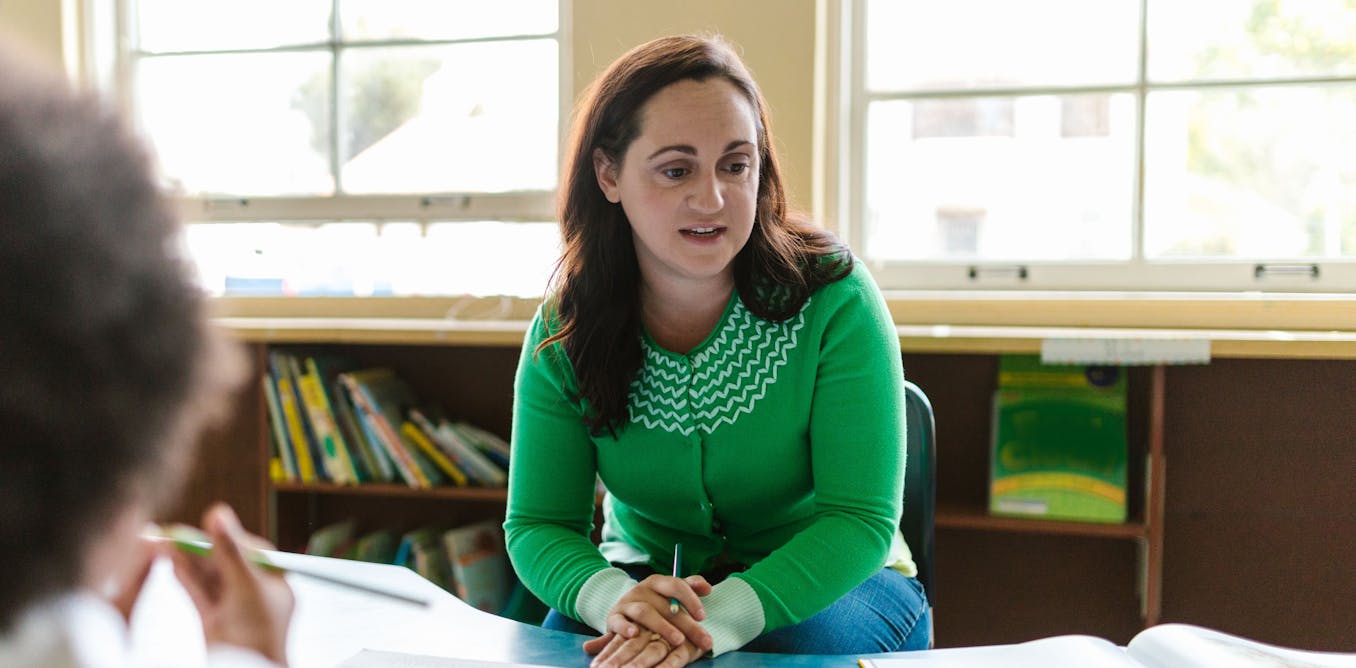
Parents are increasingly abusive towards teachers and principals. How can schools respond?
Full Article
Original Source
Read the full article at Theconversation →KhanList aggregates and links to publicly available news content. We do not host full articles from third-party sources. Always verify important information with original sources.