
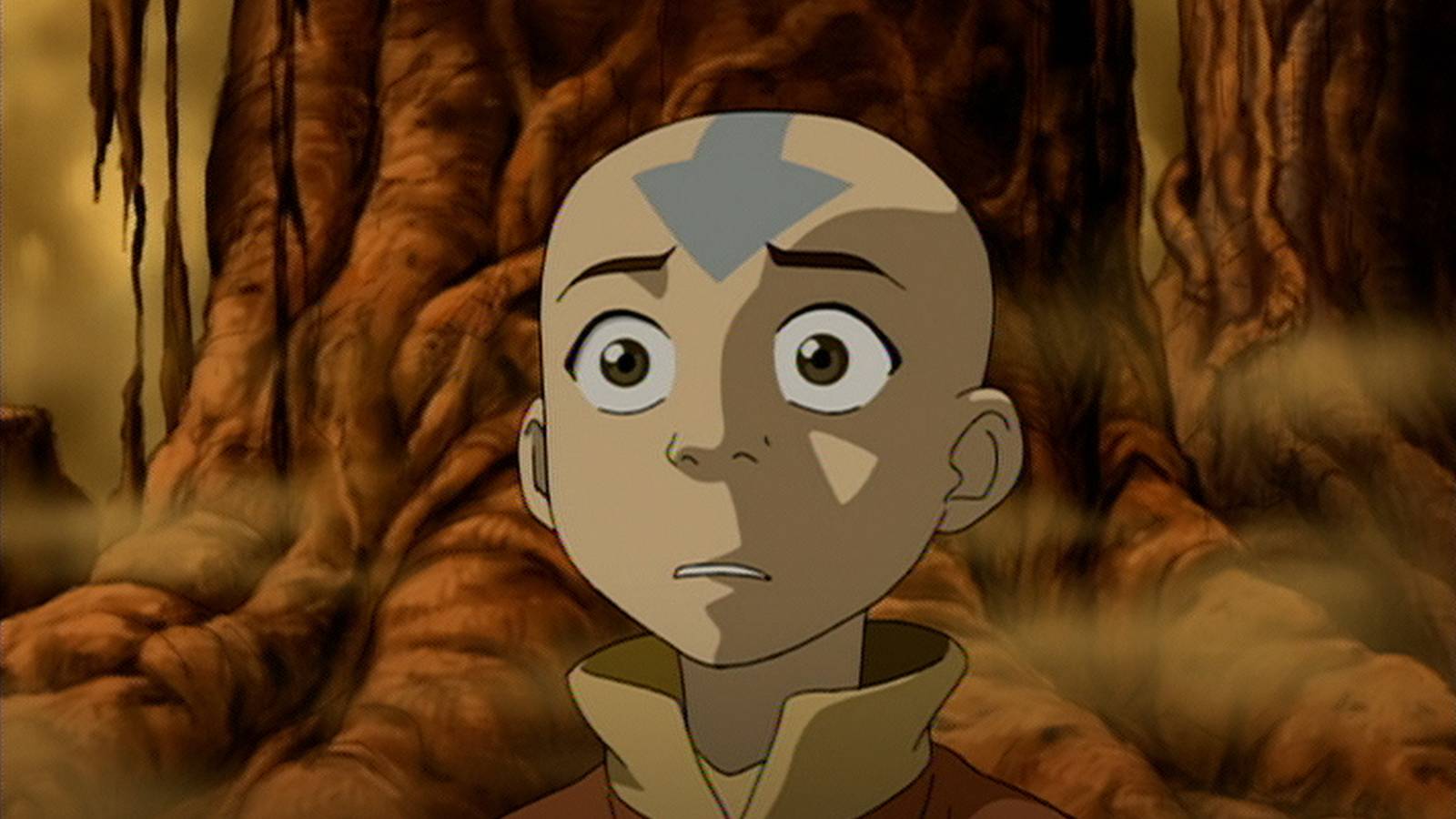
Published Oct 9, 2026, 2:00 PM EDT El is a Junior TV Features Editor for ScreenRant, with previous experience as The Mary Sue's UK and Weekend Editor. She holds a Bachelor's in International Media and Entertainment Management, as well as an MA and Ph.D. in Creative Writing. There is little she loves more than discussing her favorite TV shows with fellow fans. One day, she hopes to publish an original fantasy novel. Warning! This article contains major spoilers for Avatar: Seven Havens season 1, episodes 1–3.Avatar: The Last Airbender's sequel series, Avatar: Seven Havens, abandons an iconic franchise tradition in its opening episodes. Avatar: Seven Havens introduces a new era for Avatar: The Last Airbender. Set 225 years after The Legend of Korra (which itself was set 70 years after Aang defeated Fire Lord Ozai in the original cartoon), the technologically advanced world of Korra's era is long gone. In its place is a barren, post-apocalyptic wasteland, with only the titular Seven Havens, massive, walled, inter-bending cities, keeping humanity's remaining survivors safe. The Avatar is no longer revered as a savior, a benevolent bridge between people and spirits. Instead, humanity believes the Avatar is a harbinger of chaos and doom, with Korra blamed for a mysterious "cataclysm" that left the world ravaged beyond repair. Pavi, a 10-year-old earthbender and Korra's successor, must hide her ability to bend all four elements. Rather than being hailed as the world's last hope, she's left to fend for herself on the streets, protected by her loyal cat-monkey, Geet. Despite Avatar: Seven Havens' distant place in the Avatar timeline, it features plenty of connections to both The Legend of Korra and The Last Airbender. It's a creative, compelling evolution of the series, with the potential to change what the world and the audience know about the Avatar cycle forever. Still, Avatar: The Last Airbender fans will notice one particular piece of franchise history missing from Avatar: Seven Havens' opening episodes — though there is a good reason for its omission. Avatar: Seven Havens' First Episodes Are Missing The Franchise's Iconic Introduction Credit: Paramount+ Avatar: The Last Airbender, The Legend of Korra, and even the recently released movie Avatar Aang: The Last Airbender all include an iconic introduction sequence: naming and showcasing the four elements in a specific order (depending on the current Avatar's first element), the Avatar's role in society, and a brief overview of the overarching story. This has been a tradition since Avatar: The Last Airbender's very first episode. The Legend of Korra begins with its own version, and Avatar Aang includes its gorgeously animated variant featuring Katara, Toph, Zuko, and Aang after the movie's opening scenes. Avatar: Seven Havens' first two episodes skip the introduction. Episode 1, "On the Horizon," and episode 2, "Into the Storm," jump straight into the action, pulling viewers into this new, unfamiliar version of the Avatar world. It feels like an odd choice at first, a way to distance the show even further from its predecessors. How much has Avatar really changed? As it turns out, not too much. The third episode includes a new intro, featuring the show's and the franchise's biggest twist. Avatar: Seven Havens Needed To Hide Its Biggest Twist Credit: Paramount+ While Avatar: Seven Havens' promotional material never hid Pavi's long-lost twin sister, Nisha, it did hide that Nisha is just as much an Avatar as Pavi. Both girls can bend all four elements. Once they're reunited, they begin to remember flashes of their past; the show's biggest mystery, alongside Korra's supposed rampage and the existence of twin Avatars, is why Pavi and Nisha were separated, why they didn't remember they had a sister, and what happened to their parents. The first episode ends with Pavi and Nisha meeting for the first time, while episode 2 develops their bond as sisters as they learn to use their powers together. Only then does the show include the new introduction. It makes sense; Aang and Korra knew their destinies from the moment they were introduced. Pavi and Nisha needed extra time to figure it out. They've got more to learn, but after the second episode, they've at least accepted what they are and who they could become. The third episode is where their story really starts: "Fire. Air. Water. Earth. Long ago, the Avatar, master of all four elements, brought forth the cataclysm. Out of the devastation, the world built the Seven Havens. Now, the Avatar has returned, but for the first time, there are two. Most fear they'll destroy the world again, but I believe they will save it." Following in Katara and Tenzin's footsteps, Jae is the new introduction's narrator, an idealistic airbender who becomes one of the girls' fiercest protectors and teachers. The sequence even acknowledges the destruction of the Avatar cycle: rather than the remaining three elements being represented by former Avatars, as in The Legend of Korra, Pavi and Nisha demonstrate all four elements together. Avatar: Seven Havens really is the start of a new era for Avatar: The Last Airbender. The first three episodes of Avatar: Seven Havens are streaming now on Paramount+. New episodes arrive weekly on Fridays. Release Date October 9, 2026 Network Paramount+ Writers Sehaj Sethi, Michael Dante DiMartino, Bryan Konietzko Creator(s) Michael Dante DiMartino, Bryan Konietzko
Paramount+ Officially Erases Major Avatar: The Last Airbender Tradition
Full Article
Original Source
Read the full article at Screenrant →KhanList aggregates and links to publicly available news content. We do not host full articles from third-party sources. Always verify important information with original sources.