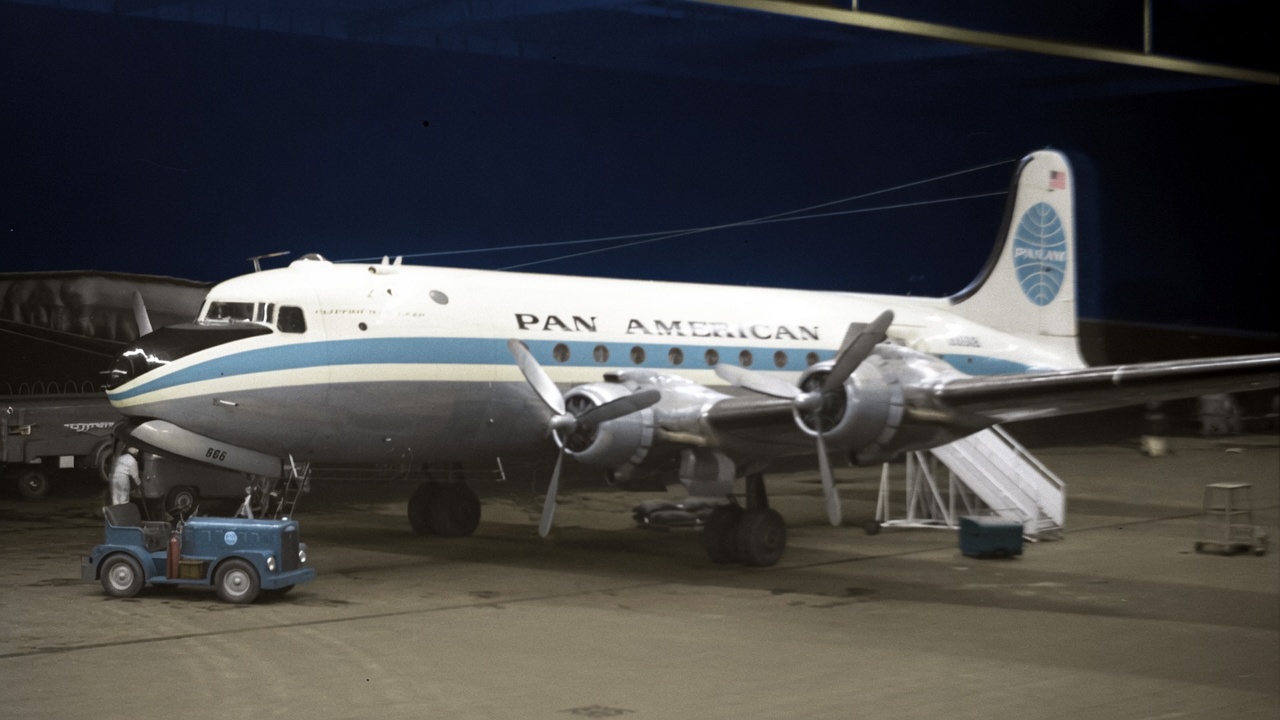
A Pan Am plane that crashed 74 years ago – and led to all flights starting with a safety briefing – was just located off Puerto Rico and the discovery was announced this week. Pan Am Flight 526A crashed in full view of witnesses on April 11, 1952. There were 17 survivors, but the wreckage was never found until last month, when it was uncovered almost 2,000 feet below the surface of the Atlantic Ocean. 11 April 1952. Pan American World Airways Douglas DC-4 'Clipper Endeavor' N88899 ditched in rough seas off Puerto Rico after engine failures. 52 of 69 were killed. Post accident recommendations required future pre-flight safety demonstrations for over-water flights. pic.twitter.com/XZbPjdYTDW — Ron Eisele (@ron_eisele) April 10, 2025 The DC-4 aircraft was operating from San Juan to to New York’s Idlewild airport, now known as JFK. The 8 hour 3 minute flight departed at 12:11 p.m. carrying 64 passengers and five crew. It never should have taken off. On the inbound flight from New York to San Juan, one of the plane’s engines had to be shut down. There were abnormal fuel flow indications. On the ground, mechanics found metal flakes in the engine’s oil screen and sump, metal in the oil hopper and reduction gears, and evidence that a bearing was damaged. Mechanics didn’t do the correct tests. They replaced the engine’s nose section, changed the oil and sent the plane on its way. They reported the issue to Miami, but never heard back. Nine minutes from takeoff, the plane was in the ocean. At about 250 feet, after the landing gear had been retracted, the first officer saw the No. 3 engine’s oil pressure collapsing while its oil temperature rose. Two minutes after departure, the pilots declared that they were returning. They shut down and feathered the engine, and turned back to San Juan. Then the number 4 engine began backfiring. The plane began losing altitude. The accident investigation found pilot error in continuing to try to climb without applying all available power to the two remaining good left-side engines. The nose-high attitude caused airspeed to decay until the aircraft was too low to recover. Eight minutes after departure they informed the tower they might have to ditch and began dumping fuel. The second officer went into the cabin, but didn’t communicate clearly with flight attendants that a water landing was imminent and passengers weren’t prepared. A minute later, the aircraft hit the water. Its tail broke away, and the rest of the fuselage remained afloat for less than three minutes. Everyone survived the impact, but the evacuation went bad. There had been no predeparture briefing on emergency exits, life jackets behind each seat or evacuation procedures. Only one of four rafts was successfully launched. The captain entered the cabin and ordered everyone out, but there was too much confusion. He started physically pushing passengers through the main door. A wave slammed the door shut and he tried to reopen it, but another wave threw him into the ocean. All five crew members survived, but only 12 passengers made it. The rest drowned. Pan Am DC-4, Credit: Ralf Manteufel via Wikimedia Commons The San Juan tower alerted the Coast Guard while the DC-4 was still airborne. There were sharks in the water. Rescuers dropped shark repellent. The plane sank before the rescuers could reach it. This flight was a major catalyst for the modern safety briefing, and for several other changes. Life vests and rafts to be readily accessible rather than concentrated in an inaccessible crew compartment Passengers on extended overwater flights to receive a verbal briefing on life jackets, emergency exits and rafts A demonstration of how to put on a life jacket Researchers made a key breakthrough in finding the plane when they found material from 1952 hearings on the accident that included a chart drawn by Air Force pilots who had witnessed the ditching and directed rescuers toward it. They found a largely intact aluminum fuselage with the Pan Am winged-globe logo and the letters “PAA.” The flight was knowingly dispatched with a failing engine. The captain turned an engine emergency into a ditching. Nearly everyone survived the impact, but 52 people then died because the cabin had not been prepared and life-saving equipment couldn’t be accessed quickly. Those deaths helped make the preflight safety briefing and accessible flotation equipment part of commercial aviation. Discovery filmed the successful expedition and plans to show it in an of Expedition Unknown later this year. Topics on this page
Pan Am Wreck Found After 74 Years — The Crash That Created The Airline Safety Briefing
Full Article
Original Source
Read the full article at Viewfromthewing →KhanList aggregates and links to publicly available news content. We do not host full articles from third-party sources. Always verify important information with original sources.