
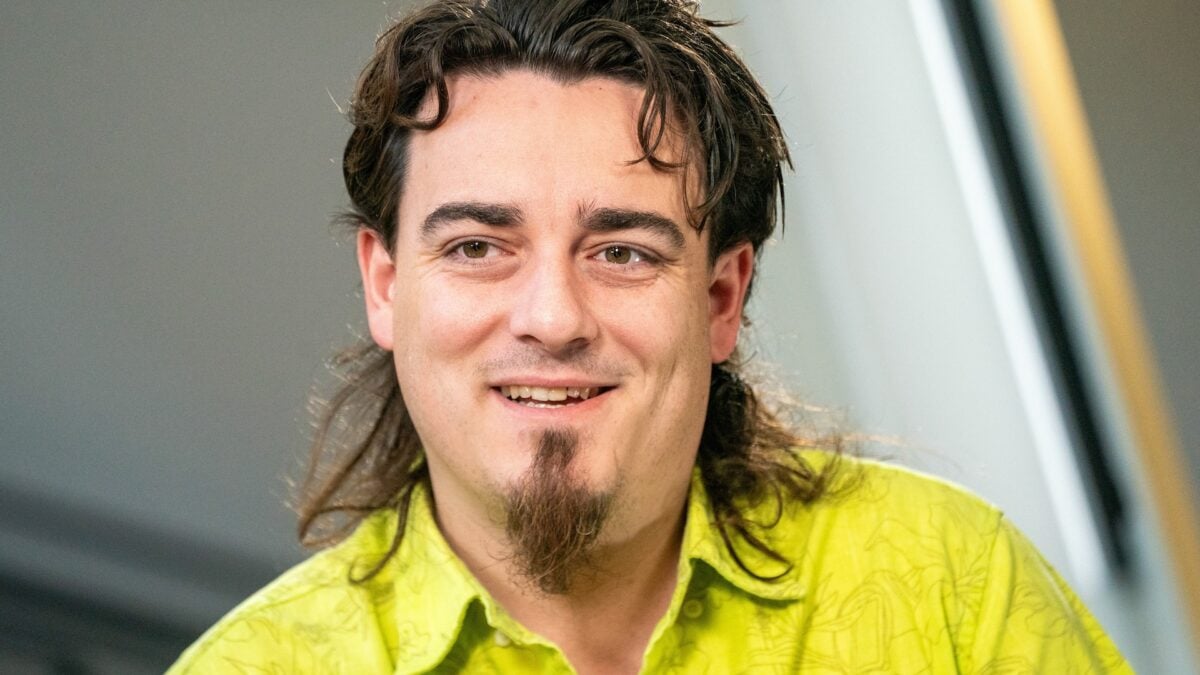
Next week, when voters head to the polls for the midterms, Californians will have the chance to pass a ballot measure that would impose a one-time 5% tax on billionaires. The wealthiest residents of the state, including many Silicon Valley executives and founders, are fighting their damnedest to block it, going so far as to threaten to leave the state entirely if they are subjected to the one-time fractional hit to their near-infinite fortunes. One person who will not leave, much to the chagrin of Californians who have been adversely affected by the floral shirt shortage he has single-handedly caused, is Palmer Luckey. The virtual reality innovator turned weapons dealer told the press on Monday, “I am staying. I think California is something special. I want to fight for California,” according to a report from TechCrunch. That doesn’t mean Luckey supports the 5% automatic charge, though. “I think that this tax act, if you can call it a tax, is going to cause a lot of problems. It’s causing a lot of people to run who I don’t want to be running. It’s going to cause companies that I work with to leave the state, which is a problem for me,” he said. By Luckey’s account, he’s made some of his fellow billionaires mad by refusing to commit to moving out of state. “This has been a point of friction between me and some of my other billionaire friends,” he said. “They’ve said things like ‘Palmer, you have to have solidarity for us. You can’t enable these really bad policies. If you stay and if you don’t leave, it’s going to show them that there’s no consequences.’” That, on its own, is a bit illuminating of what the billionaire class thinks of the proletariat—that they need to experience consequences for policies that the wealthy don’t like. The billionaires view the tax as a targeted attack. And look, there are almost certainly people who will vote for it with the intention of punishment (though how much pain you extract by taking 5% of a billionaire’s net worth is dubious, that’s one bad day on the stock market for most of them). But the money raised by the tax is earmarked to go primarily to fund Medi-Cal, California’s Medicaid program that provides insurance for low-income residents. The rest will go to fund public schools and CalFresh, the state’s food assistance program. The intention of the fund is to offset money lost by the Trump administration cutting federal support for those programs. And if the concern is that the government is managing the money, well, Medi-Cal mostly pays private insurers for coverage, so it’s going to end up in the pockets of corporations anyway. That hasn’t stopped billionaires from banding together to fight it. Per the New York Times, a political action committee called Building a Better California has raised more than $333 million, primarily from billionaires who want to fight against the tax initiative. (One might make the case that if you can throw around hundreds of millions of dollars at a whim just to stop a law you don’t like, you can probably afford to pay the tax.) Others, like Meta CEO Mark Zuckerberg, have threatened to move their primary residence out of the state to avoid the penalty. Whether Californians take that threat seriously or not, we’ll see on November 3. But by some accounts, they really shouldn’t worry about it. According to a working paper published by researchers at the National Bureau of Economic Research, California could receive a $100 billion windfall from the tax over the next five years (the period of time that billionaires will have to make their payments on the one-time hit). Even if the richest residents make good on their threats to CalExit, the paper estimates it would take 25 years for the lost income tax revenue to equal what the state stands to gain from the wealth tax. It’s also obvious these guys don’t actually want to leave. They threaten to all the time, claiming they’ll go to Miami or Austin and take the companies with them. Largely, they haven’t. California is an extremely developed economy with lots of specialized labor, so it’s hard to really exit if you have more business ambitions. It’s also just where these guys want to live. There’s the weather, the beachfront properties, and ready-made wealthy enclaves where they can live near other rich people. And, resentments about wokeness be damned, being close to Hollywood celebrity still beats their other options. Getting to bump into Ryan Gosling in L.A. is still way more appealing than having Joe Rogan stop and talk your ear off while you’re in Austin. Maybe that’ll change—Luckey, for instance, is apparently eyeing Ohio as the headquarters for a new initiative to build Audruil laptops. But let’s be real, Luckey isn’t going to be living in Ohio. If these billionaires had any amount of foresight, they might view this one-time tax as part of maintaining their workforce. If all goes smoothly, it’ll offer a safety net for people that keeps them from falling through the cracks—which should appeal to these guys who complain about homelessness, not because it’s an embarrassment for the richest country in the world to so thoroughly fail its population that people are living on the street, but because it’s unpleasant for them to have to look that in the face. It should also boost California schools to help educate and prepare the next generation of labor that they’ll need to tap into. Instead, it seems, they’d rather spend their wealth trying to protect their wealth. Because if they can’t have it, no one can.
Palmer Luckey Won’t Let Wealth Tax Push Him Out of California, Much to Californians’ Disappointment
Full Article
Original Source
Read the full article at Gizmodo →KhanList aggregates and links to publicly available news content. We do not host full articles from third-party sources. Always verify important information with original sources.