
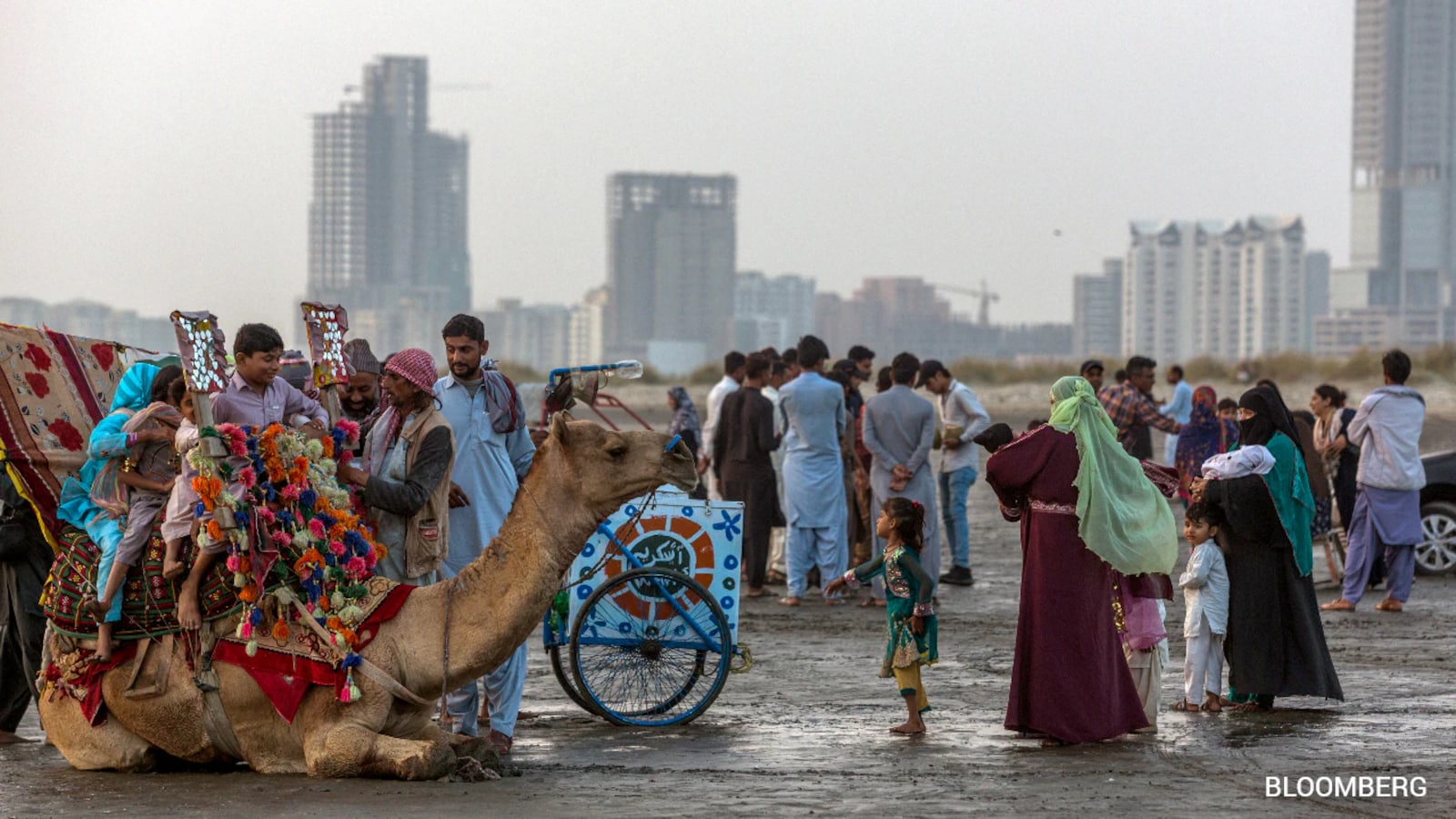
Pakistan's soaring stock market, record foreign reserves and improving credit ratings are signaling an economy on the mend. Beneath the surface, the recovery remains far less convincing.High energy costs and the ongoing US-Iran war have pushed up inflation, while renewed militancy in Pakistan's border provinces is adding to risks for investors. Last week, the central bank raised interest rates by 50 basis points to 12%, warning that the inflation outlook had deteriorated as oil topped $100 a barrel and wheat prices rose. Official figures on Monday showed inflation remained well above the central bank's target rate in October. Higher rates may help contain inflation and imports, but they also risk further squeezing an already weak domestic economy. By suppressing demand, Pakistan can shore up its external finances, but at the cost of growth and household incomes, said Miftah Ismail, a former finance minister and IMF economist."There is a pressure valve, which has been shut," Ismail said. "How long can this pressure be sustained? It will blast some day."Photo Credit: BloombergThe administration of Prime Minister Shehbaz Sharif has highlighted record foreign exchange reserves of $21.5 billion and a series of credit-rating upgrades this year as evidence of a turnaround. State Bank of Pakistan Governor Jameel Ahmad expects reserves to reach $25 billion by June, enough to cover more than four months of imports. The improvement comes as Islamabad reached a staff-level agreement with the IMF last month that could unlock another $1.2 billion, taking disbursements under two separate arrangements to $5.7 billion if approved. The fund said Pakistan maintained economic stability despite elevated energy costs and supply disruptions.Pakistan has already raised over $4 billion in global markets this year and is now seeking further ratings upgrades as it plans to tap global debt markets again, Finance Minister Muhammad Aurangzeb told Bloomberg TV last month. Islamabad has also said it plans to diversify its sources of funding, moving away from deposits of billions of dollars it received in past from allies like Saudi Arabia, China and the UAE. Earlier this year, Pakistan asked the US for a $10 billion facility, looking to capitalize on improved ties with the Trump administration.But that dependence on external financing is a key economic vulnerability, according to Ismail. He said the country's heavy debt burden means it will likely need another IMF bailout after its current arrangements expire next year."If Pakistan stays in the IMF program, only then there will be stability," he said. "If it comes out of it, then it will again get stuck."Pakistan is already on its 25th IMF bailout since joining the fund in 1950, including seven since 2000.Meanwhile, new domestic political challenges have emerged. Supporters of jailed former Prime Minister Imran Khan have taken to the streets in recent months, prompting clashes with security forces. Militant violence has surged in the border provinces of Khyber Pakhtunkhwa and Balochistan, adding to security concerns for investors.The strains come as Pakistan seeks to capitalize on its resurgent geopolitical position. The country, led by Sharif, became a key intermediary in peace talks earlier this year in the US-Iran war. President Donald Trump has hailed army chief Asim Munir as his "favorite field marshal" amid a rapprochement between the two nations after years of frosty ties. Other challenges still lie ahead for the economy if it is to wean itself off foreign borrowing, said Mattias Martinsson, who manages $1.2 billion as deputy CEO at Tundra Fonder AB in Stockholm. They include improving tax and regulatory coverage in Pakistan's huge informal economy, as well as the country's high corporate and personal income tax rates and high energy costs. Pakistan imports 80% of its oil requirement."Just creating more sources of borrowing is not the remedy for our economic issues," said Shakil Anwer Kamal, a Karachi-based economist and capital markets expert. "A real solution will come only when we improve our own capacity to generate foreign exchange, which is possible only through exports, remittances, foreign direct investment, productivity and fiscal reforms."Martinsson said he is encouraged by the stability in the currency and the country's rising stock market. The rupee has been stable at around 277 per dollar in the past year and the benchmark KSE-100 index has soared more than 300% since 2023, a rally that investors said has largely been fueled by the IMF program. The guage closed little changed on Monday. "It remains to be seen whether this can be sustained without support from the IMF," Martinsson said.(Except for the headline, this story has not been edited by NDTV staff and is published from a syndicated feed.)
Pakistan's Economy Improves On Paper, But Risks Persist Beneath The Surface
Full Article
Original Source
Read the full article at Ndtv →KhanList aggregates and links to publicly available news content. We do not host full articles from third-party sources. Always verify important information with original sources.