
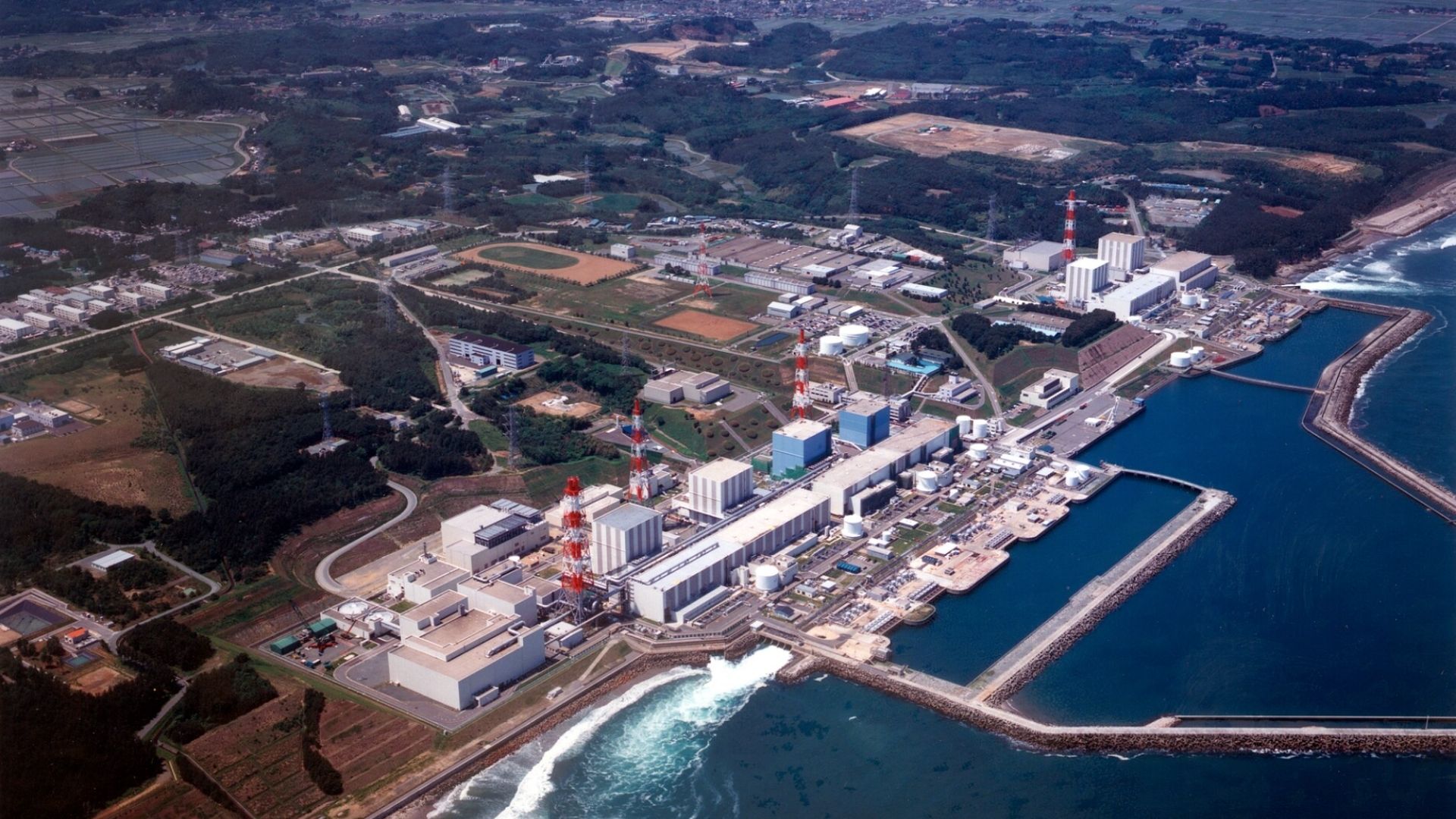
Tokyo Electric Power Company Holdings (TEPCO) has completed the third year of its operation to release treated radioactive water from the crippled Fukushima Daiichi nuclear power plant into the sea. Since the discharge began on August 24, 2023, the Japanese utility has released 172,700 tons of treated water across 22 rounds. The operation is intended to free space at the plant for facilities needed to remove melted nuclear fuel debris, with TEPCO aiming to complete the releases by 2051. Fukushima water stockpile falls 7.6% Three years of discharges have reduced the amount of treated water stored at the Fukushima plant by 7.6 percent. Around 1.24 million tons, however, remain inside approximately 1,000 storage tanks at the site. TEPCO has dismantled 17 tanks after emptying them. Japan decided to begin releasing the water in April 2021 because the tanks occupied land required for a facility that will support the removal of melted fuel debris from the damaged reactors. The Fukushima nuclear crisis was triggered by the massive earthquake and tsunami that struck Japan in March 2011. Around 60 tons of radioactive wastewater are still generated at the plant every day as water is used to cool the melted reactor fuel. Before its release, the contaminated water is purified using an advanced liquid processing system designed to remove most radioactive substances. The remaining treated water is then diluted with seawater until its tritium concentration falls below one-40th of the limit permitted under Japanese safety standards. It is discharged from a point approximately one kilometer offshore. TEPCO plans eight releases in fiscal 2026 The water is transferred from storage tanks into separate tanks where its radioactive concentrations are measured and confirmed. TEPCO then releases it in batches of approximately 7,800 tons. Four batches were discharged in fiscal 2023, followed by seven each in fiscal 2024 and 2025. The company has since modified its operations to allow water to be transferred continuously between tanks used for the releases. TEPCO plans to conduct eight releases during fiscal 2026, four of which have already been completed. The International Atomic Energy Agency is monitoring the operation alongside the Japanese government and TEPCO. According to the available monitoring results, no abnormal levels of tritium have been detected in nearby seawater or seafood. “We have been able to conduct releases safely. We will work on providing accurate information and appropriate compensation,” Akira Ono, TEPCO’s chief decommissioning officer, said at a press conference last month. Seafood restrictions continue three years later The release program has faced sustained opposition from fisheries operators and triggered restrictions on Japanese seafood exports. China, previously the largest overseas market for Japanese seafood, introduced a blanket import ban on the day the discharges began. Beijing announced in June 2025 that it would lift the ban for most of Japan, excluding 10 prefectures including Fukushima. Imports, however, remain effectively halted amid a diplomatic dispute over Prime Minister Sanae Takaichi’s remarks suggesting that Japan could become involved in a crisis over Taiwan. Russia and several other countries and territories also retain restrictions. TEPCO has paid approximately 96.7 billion yen ($608 million) in compensation across roughly 1,100 cases as of August 5. Many claims involve losses suffered by businesses unable to export scallops and sea cucumbers to China and Hong Kong.Get the latest in engineering, tech, space & science - delivered daily to your inbox.Atharva is a full-time content writer with a post-graduate degree in media & amp; entertainment and a graduate degree in electronics & telecommunications. He has written in the sports and technology domains respectively. In his leisure time, Atharva loves learning about digital marketing and watching soccer matches. His main goal behind joining Interesting Engineering is to learn more about how the recent technological advancements are helping human beings on both societal and individual levels in their daily lives.
Pacific discharge from Fukushima nuclear plant crosses 172,000-ton in 3 years
Full Article
Original Source
Read the full article at Interestingengineering →KhanList aggregates and links to publicly available news content. We do not host full articles from third-party sources. Always verify important information with original sources.