
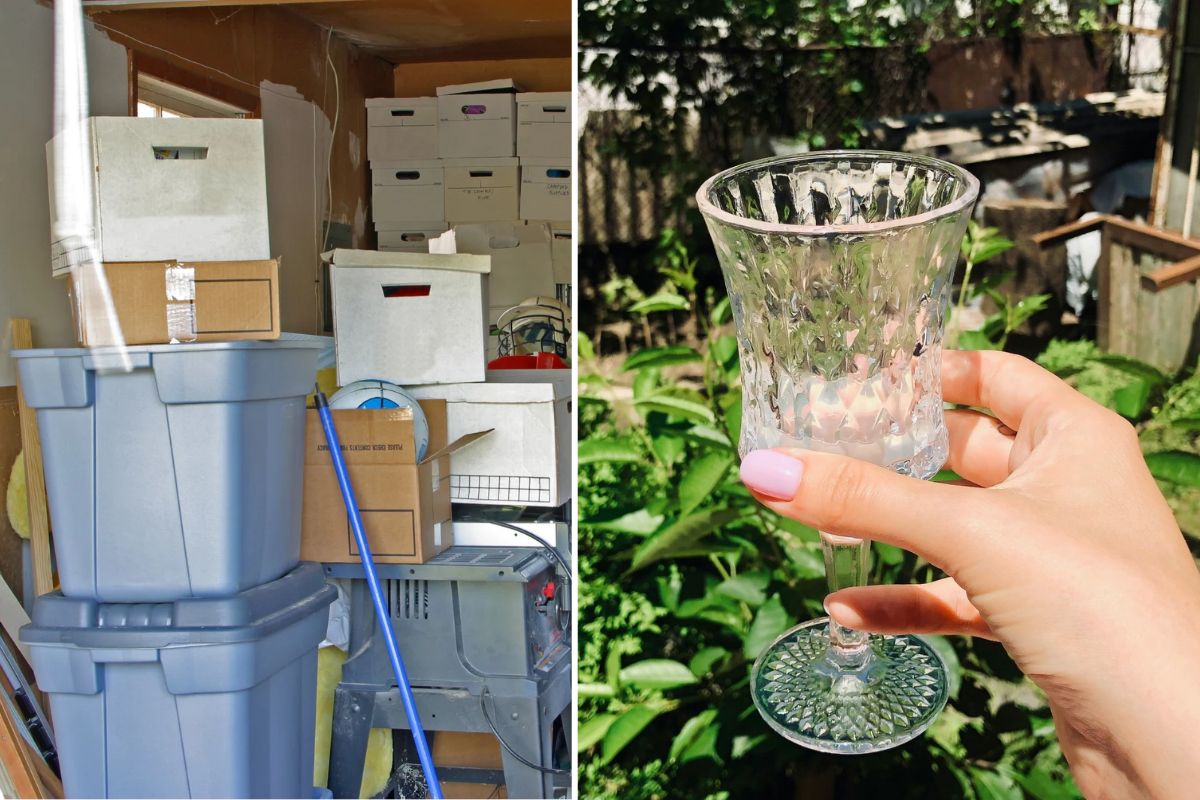
Millennials and Gen Xers often hate clutter. It’s a natural reaction to being raised by Baby Boomer parents who loved collecting tchotchkes, antiques, fine china, and crystal sets they only used on the rarest occasions. Along with all the junk, many adults today have inherited the idea that they must save and cherish sentimental items. They should be packed away, as they’re too precious for everyday use, and kept for…well, forever. A new scientific study is challenging that notion in a big way. Study says we feel more connected to objects that we use, not save Research by Dan Grossman and colleagues in the Journal of Consumer Psychology set out to measure sentimental value and, crucially, see how it can change over time. In a series of studies, Grossman tracked people’s use of and feelings about objects that held deep meaning for them, even simple ones. In one study, Psychology Today reported that 214 university students decorated a keychain with words related to a favorite memory. One group was instructed to set the keychain aside for the duration of the experiment, about two weeks. The other group used it daily. In the end, students who used the keychain regularly felt a stronger connection to it. Its sentimental value had increased through regular use and contact rather than being tucked away somewhere. In a Psychology Today article, Janina Steinmetz, Ph.D., writes, “The researchers propose that using these objects strengthens the connection between the object and its associated memories by allowing the memories to come up more frequently, by reminding us why these memories matter to us, and by strengthening the connection to our identity.” Research gives overwhelmed adults much-needed permission Clutter has become a huge problem for many Americans. In fact, over half of American adults report feeling “overwhelmed” by the amount of physical possessions they have, according to the BBC. It’s gotten so bad that self-storage use has skyrocketed in recent years. The Wall Street Journal reports that the “craze has reached a tipping point.” About a third of Americans have so much stuff that they need a separate unit outside their home to house it all. Professional declutterer Bev Hitchins told the BBC, “People gather stuff to protect themselves. It’s an illusion, though. It doesn’t make them happy—it’s a cover-up. We get so busy maintaining stuff, keeping it, making sure there’s a place for it. It’s not greed. It’s trying to fill up a hole that’s so big it will never be filled.” Most people have no idea what to do with all of the stuff that they’ve accumulated. In addition to the things that are hard to get rid of for logistical reasons (old paint, mattresses, dead batteries), there’s the deluge of sentimental keepsakes. Children’s artwork, items from our own childhood, the crystal dining set you inherited from your parents. Crushing guilt, rather than fondness, keeps us anchored to many of these things. The new research opens up a wonderful new possibility: use it if you can, and consider ditching everything but a handful of real keepers. Scientists now suggest that using that fine china regularly will likely help you feel a stronger connection to your parents and grandparents, rather than storing it in a massive cabinet where it gathers dust. And that souvenir mug from a family vacation? Use it or lose it. At the very least, keep the important things handy. Southern Living writes that if you can’t access something within 10 minutes, if it lives in a storage unit miles away, how important can it really be? Yes, these cherished items might break or finally wear out when you use or handle them a lot, but the daily connection to those memories well outweighs the risk. After all, the memories and stories will last forever, even when the physical items surely will not.
Overwhelmed by all the ‘sentimental’ objects you’re saving? A new study reveals a better way.
Full Article
Original Source
Read the full article at Upworthy →KhanList aggregates and links to publicly available news content. We do not host full articles from third-party sources. Always verify important information with original sources.