
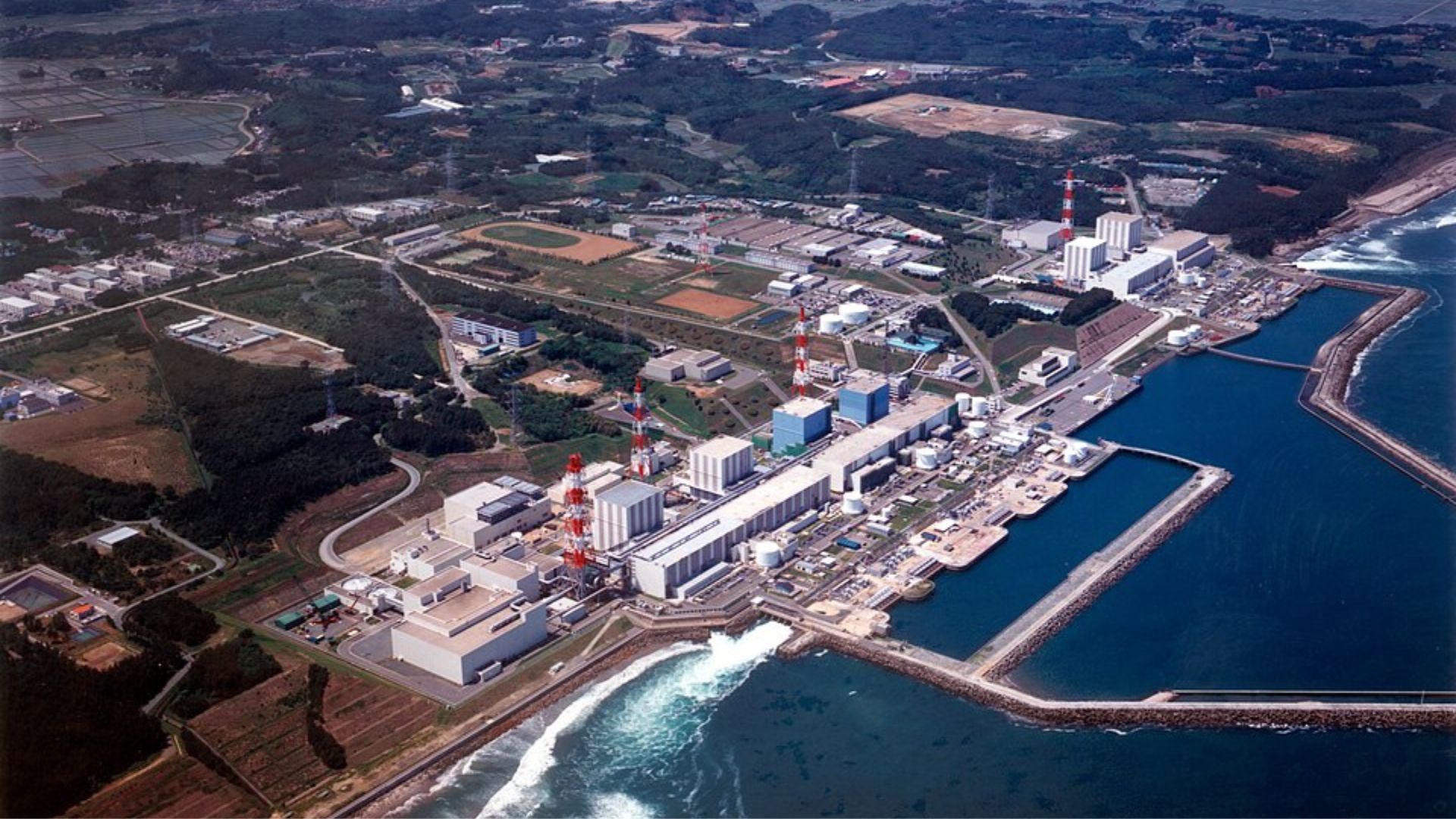
Since the 2011 triple meltdown at Fukushima No. 1, more than 53,000 cleanup and response workers have logged annual radiation exposure exceeding 5 millisieverts (mSv). Reportedly, the number is the official threshold for qualifying leukemia as a compensable work-related illness under Japanese public insurance. So far, at least 17 workers have been recognized with occupational radiation illnesses (including leukemia and solid cancers), resulting in at least two deaths. Authorities expect the number of recognized workplace injury claims to rise further. The decommissioning operations are slated to continue through 2051, and Fukushima’s annual cumulative radiation levels still far outstrip any other Japanese plant. The 15-year total is based on TEPCO’s official radiation tracking reports, analyzed by Jiji Press, covering the period from the 2011 meltdown through March of this year. Radiation exposure for workers spiked sharply right after the 2011 meltdown. In the first two years alone, over 600 workers exceeded the normal safety limit of 50 mSv per year. However, safety measures improved quickly, and no worker has surpassed that annual limit since 2013. As a result, the average yearly dose per person dropped from a high of 21.6 mSv in 2010 to just 1.7 mSv in 2025. Despite these improvements, the health impact remains serious. Japan’s health ministry has recognized 17 cases of disease as directly caused by work at Fukushima. Japan Times reported that eight of those men developed leukemia. Nine others contracted solid cancers, including tumors of the lung, colon, throat, and thyroid. At least two of those workers have died. The risk is far from contained. Fukushima No. 1 remains vastly more dangerous than any operating commercial plant in Japan. In 2025 alone, workers at Fukushima logged a cumulative radiation exposure of 20.97 sieverts. Reportedly, the next highest site in the country, the four-reactor Takahama plant, logged just 2.22 sieverts. Decommissioning the damaged facility will take decades. Engineers estimate the work will not finish until 2041 to 2051 at the earliest. As tens of thousands more shifts are logged inside the ruins, the tally of workers qualifying for medical compensation will almost certainly grow. Release of treated water TEPCO has released 170,000 metric tons of treated water into the sea over 22 discharge rounds since August 2023. The goal is to complete water releases by 2051, but the ongoing influxes of rainwater and groundwater continue to create new contamination. Until melted fuel debris is removed from the reactors, the site will keep generating radioactive water, which makes the 2051 completion deadline highly uncertain. The discharge process triggered major diplomatic and economic pushback, most notably from China and Russia, which banned imports of Japanese seafood following the initial August 2023 release. While Japan’s Advanced Liquid Processing System (ALPS) successfully filters out over 60 radioactive isotopes, it is incapable of removing tritium. To compensate, TEPCO dilutes the treated water with massive quantities of seawater before releasing it into the ocean, reducing tritium levels far below both Japan’s strict operational ceiling and international safety guidelines. The International Atomic Energy Agency (IAEA) independently inspects and tests every discharge batch to ensure these radiation limits are consistently met.Get the latest in engineering, tech, space & science - delivered daily to your inbox.Mrigakshi is a science journalist who enjoys writing about space exploration, biology, and technological innovations. Her work has been featured in well-known publications including Nature India, Supercluster, The Weather Channel and Astronomy magazine. If you have pitches in mind, please do not hesitate to email her.
Over 53,000 Fukushima plant cleanup workers hit key radiation exposure mark
Full Article
Original Source
Read the full article at Interestingengineering →KhanList aggregates and links to publicly available news content. We do not host full articles from third-party sources. Always verify important information with original sources.