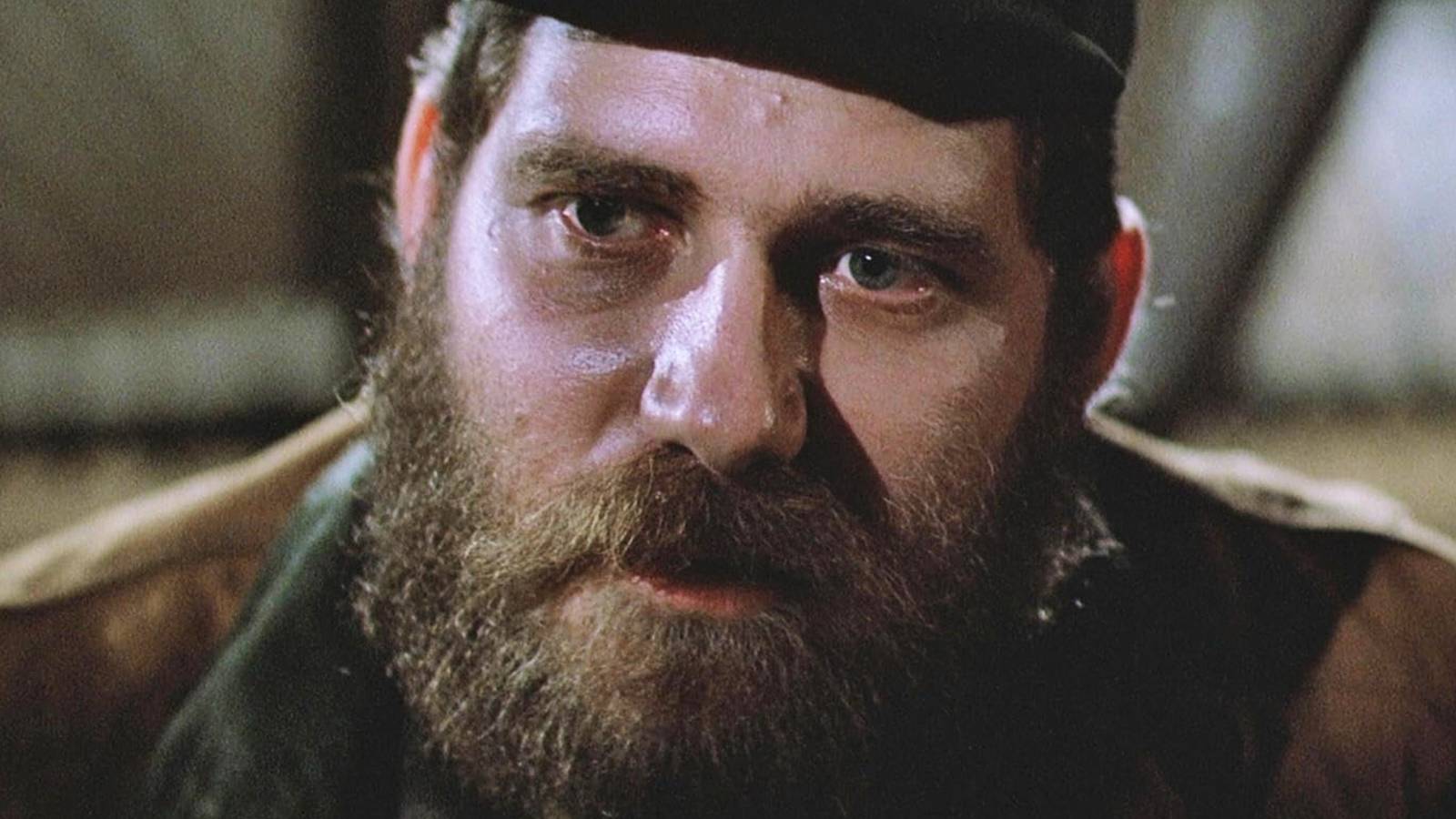
Published Jul 18, 2026, 8:46 AM EDT Hannah has been writing about horror, sci-fi, and all things nerdy since 2021. At Collider, she covers news and conducts interviews, along with contributing features that dive deep into genre storytelling and why it works. If there’s something lurking in the shadows, she’s probably already writing about it if she's not too busy watching a tape from her VHS collection. John Carpenter's The Thing has one of the greatest opening scenes in horror history. Before the story has even really begun, the movie tells audiences exactly what they're about to watch. A terrified sled dog tears across the Antarctic snow while a helicopter chases it overhead. The men inside fire rifles, toss grenades, and scream warnings that nobody at the American research station can understand. It feels absurd the first time you watch it. Why would anyone go to those lengths to kill a dog? By the time the credits roll, that opening scene has transformed into one of the most devastating moments in the movie. The Norwegians weren't hunting an animal. They were desperately trying to stop the end of the world. It's one of countless examples of how The Thing rewards repeat viewings, but it's the movie's final moments that have kept audiences coming back for more than four decades. Plenty of horror movies have tried to end with an unforgettable twist or shocking reveal. None have managed to craft a finale as perfect as The Thing. 'The Thing' Understands That Fear Is Stronger Than Answers Most horror movies spend their final act pulling back the curtain. They explain the monster's origin, reveal the killer's identity, or find a way to defeat the evil once and for all. Audiences are conditioned to expect closure, even if that closure comes at a terrible cost. The Thing refuses to play by those rules. After the destruction of Outpost 31, only R.J. MacReady (Kurt Russell) and Childs (Keith David) remain alive. Destruction surrounds them and survival looks bleak. The alien may be dead, or it may be sitting just a few feet away wearing a familiar face. MacReady offers Childs a bottle of whiskey, the two exchange exhausted glances, and they simply wait. That's it. There is no confession, final transformation, or triumphant reveal that humanity has been saved. Carpenter cuts to black before the audience gets what it wants, forcing everyone to sit with the exact same uncertainty consuming the characters themselves. The brilliance of that decision is that The Thing was never really about defeating the creature, it was about the paranoia the creature creates. Throughout the movie, Carpenter slowly dismantles every form of trust between the survivors. Blood tests become life-or-death interrogations. Every conversation carries suspicion. Every glance could be a lie. Friends become threats because anyone could already be infected without knowing it. By the end, that paranoia has infected the audience just as completely. Every Possible Answer Makes the Ending Better For more than 40 years, fans have debated whether Childs is really the Thing. Others argue MacReady has been infected. Some believe neither man is compromised, and they're simply accepting their inevitable deaths together. Entire theories have been built around the bottle of whiskey, the characters' breath in the freezing air, the direction Childs came from, and even subtle lighting choices. The remarkable part is that none of those theories actually matter. If Childs is the Thing, humanity may already be doomed. If MacReady is the Thing, the ending becomes even more tragic because Childs never stood a chance. If they're both human, the alien has already won anyway by destroying their ability to trust each other. Every interpretation reinforces the same central idea: the monster doesn't just imitate people, it destroys certainty itself. That's why revealing the truth would weaken the movie rather than strengthen it. Any definitive answer instantly closes the conversation. Ambiguity keeps The Thing alive even after the credits roll, because every viewer becomes another participant in the paranoia. Horror Has Been Chasing This Ending Ever Since It's easy to find horror movies with bigger twists, bloodier finales, or louder last-minute scares. What's far harder to find is an ending that feels this complete. The final scene works because it isn't trying to surprise the audience with one last trick. It's the inevitable conclusion to everything the movie has been building from its opening minutes. By stripping away certainty, Carpenter forces viewers to experience the same fear as his characters. We don't leave The Thing wondering what happened because the movie forgot to answer the question. We leave wondering because that uncertainty is the point. More than 40 years later, audiences are still arguing over those last few minutes, and every new theory only proves why Carpenter made the right choice. Horror has produced countless unforgettable endings since 1982, but none have captured the same perfect balance of dread, ambiguity, and thematic payoff. Some mysteries are meant to be solved, but The Thing understood that the most terrifying ones never should be. Release Date June 25, 1982 Runtime 109 minutes Director John Carpenter Writers Bill Lancaster, John W. Campbell Jr. Producers David Foster, Lawrence Turman Prequel(s) The Thing Franchise(s) The Thing
Over 40 Years Later, Horror Still Hasn’t Topped This Movie's Perfect Ending
Full Article
📰 Original Source
Read full article at Collider →KhanList aggregates and links to publicly available news content. We do not host full articles from third-party sources. Always verify important information with original sources.