
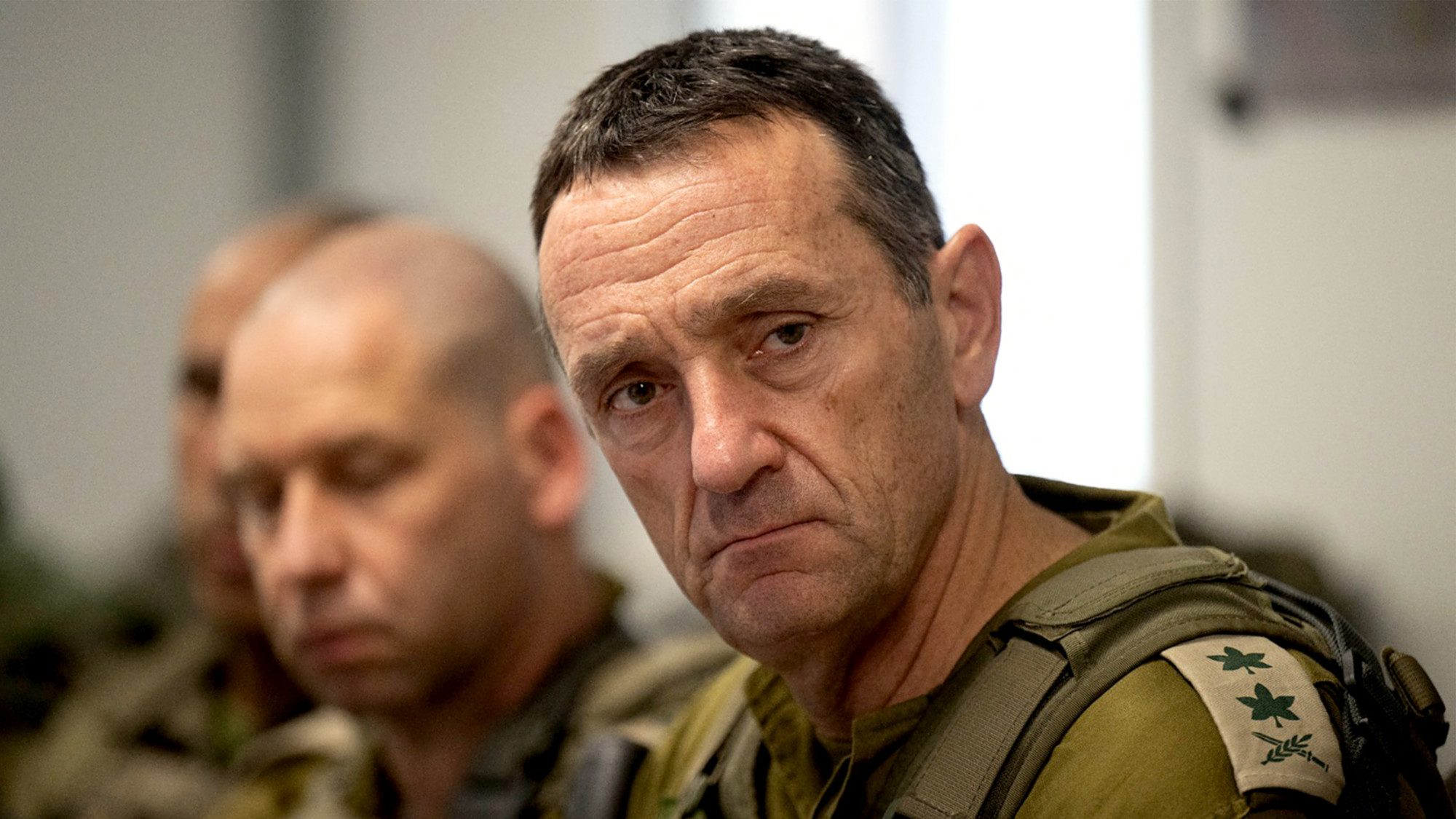
Approximately 87 died in captivity in Gaza or were taken there after having already died Herzi Halevi during a situational assessment in the Rafah area in the southern Gaza Strip on 14 August 2024 (Israeli Army via AFP) Published date: 2 November 2026 10:43 GMT | Last update: 5 sec ago Israel’s former military chief has acknowledged that Israeli air strikes killed captives held by Palestinian groups in Gaza. Speaking at a conference organised by the Shurat Hadin group in New York on Sunday, Herzi Halevi claimed military “pressure” on Gaza helped secure the release of captives. But he admitted that Israeli forces had also killed some of them. “Our bombs killed hostages. We did not know they were there,” he said. A total of 251 people were taken captive during the Hamas-led attack on southern Israel on 7 October 2023. Most were later returned alive through prisoner exchanges with Hamas. Approximately 87 died in captivity in Gaza or were taken there after having already died. New MEE newsletter: Jerusalem Dispatch Sign up to get the latest insights and analysis on Israel-Palestine, alongside Turkey Unpacked and other MEE newsletters Israeli authorities have previously declined to address accusations that military strikes killed captives, instead accusing Hamas of killing them. Israeli newspaper Maariv reported in October 2025, citing Israeli officials, that many captives had been killed by Israeli strikes, particularly during the early stages of the war. What is the Hannibal Directive and why is it controversial? Read More » On 7 October, the Israeli military invoked the Hannibal Directive, a controversial order designed to prevent the capture of Israeli soldiers, even at the risk of killing them. According to Israeli media reports, the military applied the directive along the Gaza-Israel boundary during the first hours of the Hamas-led assault. Halevi, who resigned as military chief last year, also admitted on Sunday that the 7 October attack “was a failure that could have been prevented”. However, he rejected suggestions that the assault resulted from internal betrayal. “Helping Hamas would require not just one person collaborating, but a very broad network. After three years, not even one such person has been found,” he said. Middle East Eye delivers independent and unrivalled coverage and analysis of the Middle East, North Africa and beyond. To learn more about republishing this content and the associated fees, please fill out this form. More about MEE can be found here.
‘Our bombs killed hostages’ in Gaza, says former Israeli army chief
Full Article
Original Source
Read the full article at Middleeasteye →KhanList aggregates and links to publicly available news content. We do not host full articles from third-party sources. Always verify important information with original sources.