
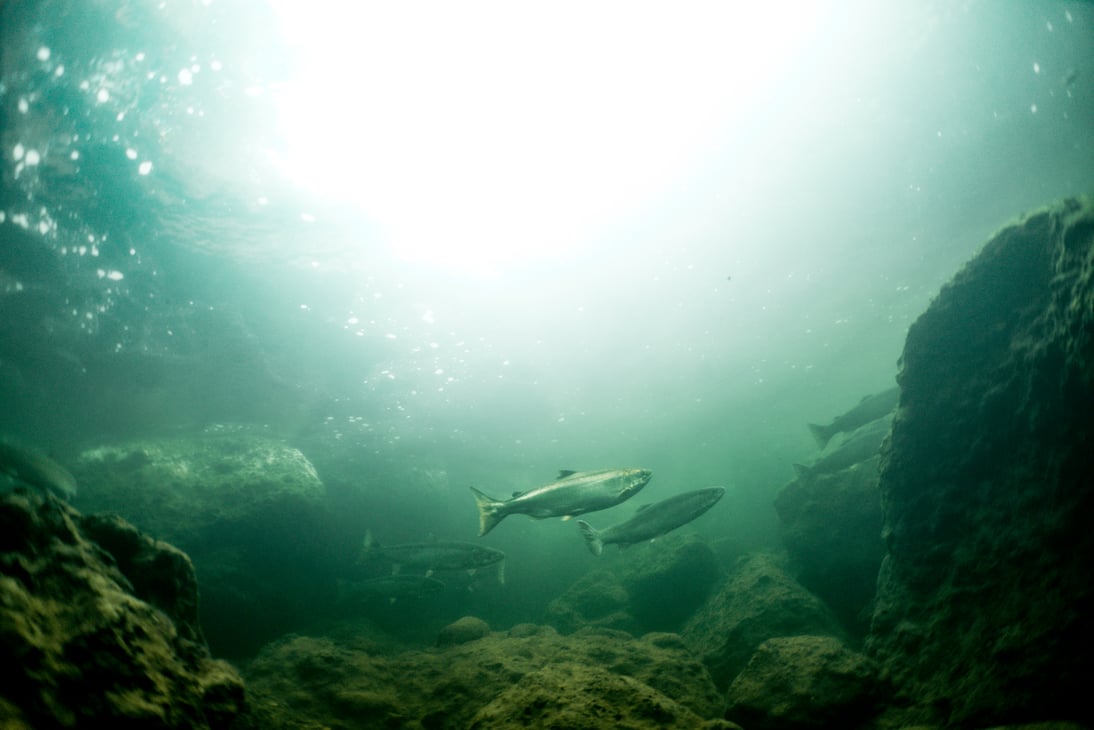
Oregon's capital city says the plan will threaten its drinking water.EUGENE, Ore. (CN) — An Oregon city and county urged a federal judge Tuesday to stop the U.S. Army Corps of Engineers from carrying out its plan to lower water levels in Detroit Lake, arguing the action will both harm protected fish species and imperil drinking water.“The biggest question for me is about likelihood of harm,” said U.S. District Judge Mustafa Kasubhai.Earlier this year, the U.S. Army Corps of Engineers finalized a supplemental environmental impact statement for the system of 13 federally operated dams and reservoirs it operates throughout the Willamette River Basin in Oregon, proposing to lower the Detroit Reservoir to an elevation of 1,395 feet during late fall and early winter. The minimum conservation pool is 1450 feet.The proposed drawdown is intended to help facilitate downstream migration of juvenile fish until something more permanent can be installed.Marion County sued the Corps in May and the city of Salem sued in July. The Santiam Water Control District and the City of Stayton both intervened as plaintiffs. The local governments and agencies argue the drawdown will substantially risk harming the region’s drinking water infrastructure and claim the Corps made its decision without properly analyzing and mitigating those risks.Detroit Lake is a nine-mile-long reservoir about 45 miles east of Salem on the North Santiam River. Salem’s drinking water supply comes solely from the North Santiam.The proposed Detroit Lake drawdown would begin in mid-November and slowly lower the reservoir over two weeks and maintain it at that level for two weeks.Salem argued the drawdown would increase sediment and turbidity and significantly impact its slow sand filtration system, requiring the city to either rely on emergency water reserves for extended durations or undergo lengthy and costly repairs to its filtration system.“There’s only going to be no harm if there’s no sediment localization,” said Daniel Quinley, attorney with Davis Wright Tremaine representing Salem.The city wants a preliminary injunction barring the Army Corps from proceeding with the drawdown, or at least requiring the Army Corps to stop the drawdown if turbidity levels reach 10 nephelometric turbidity units or more and to refrain from resuming the drawdown until turbidity levels fall below that threshold.Plus, the prediction of an El Niño year concerns the plaintiffs as it may result in dry conditions and lead to less water recovery in the region.“If Detroit Reservoir does not refill its minimum conservation pool as of Feb. 1 there could certainly be irreparable harm with respect to fulfilling water supply obligations,” argued Samantha Sondag, attorney with Stoel Rives representing the Santiam Water Control District. “There is a risk of that given the current forecast.”But the defendants — including two intervening nonprofits, the Northwest Environmental Defense Center and Native Fish Society — argue the drawdown is necessary to support endangered fish species.“I think it’s important here that we’re not just talking about jeopardy; we’re talking about take,” argued Lauren Rule, attorney with Advocates for the West representing the intervening defendants.The proposed drawdown is a part of the National Marine Fisheries Service’s long-term plan to ensure the recovery and survival of the Upper Willamette River Chinook salmon and steelhead, which are both protected under the Endangered Species Act.Specifically, the drawdown is intended to help fall migration for juvenile fish to navigate through the dam via regulating outlets — tunnels that are lower on the dam face. Juvenile fish usually don’t swim deeper than 25 to 50 feet of the water surface and are unlikely to find an outlet if it is deeper.The other options for fish passage when there isn’t enough water for a spillway over the top of the dam are through hydropower turbines, but that method leads to high rates of take.“This is a critical, critical element for saving Chinook and steelhead populations,” Rule said.However, the plaintiffs argued that while the drawdown may aid with fall migration, it may also harm spring migration, because there won’t be enough water to spill over the spillway.The federal defendants argued they deserved deference and that an injunction would interfere with their efforts to comply with the Endangered Species Act.Kasubhai said he intends to release a decision before the end of the month, and he told the Army Corps to alert the court if it plans to initiate a drawdown before Nov. 15.Subscribe to our free newslettersOur weekly newsletter Closing Arguments offers the latest about ongoing trials, major litigation and rulings in courthouses around the U.S. and the world, while the monthly Under the Lights dishes the legal dirt from Hollywood, sports, Big Tech and the arts.Additional Reads
Oregon communities fight plan to drain reservoir
Full Article
Original Source
Read the full article at Courthousenews →KhanList aggregates and links to publicly available news content. We do not host full articles from third-party sources. Always verify important information with original sources.