
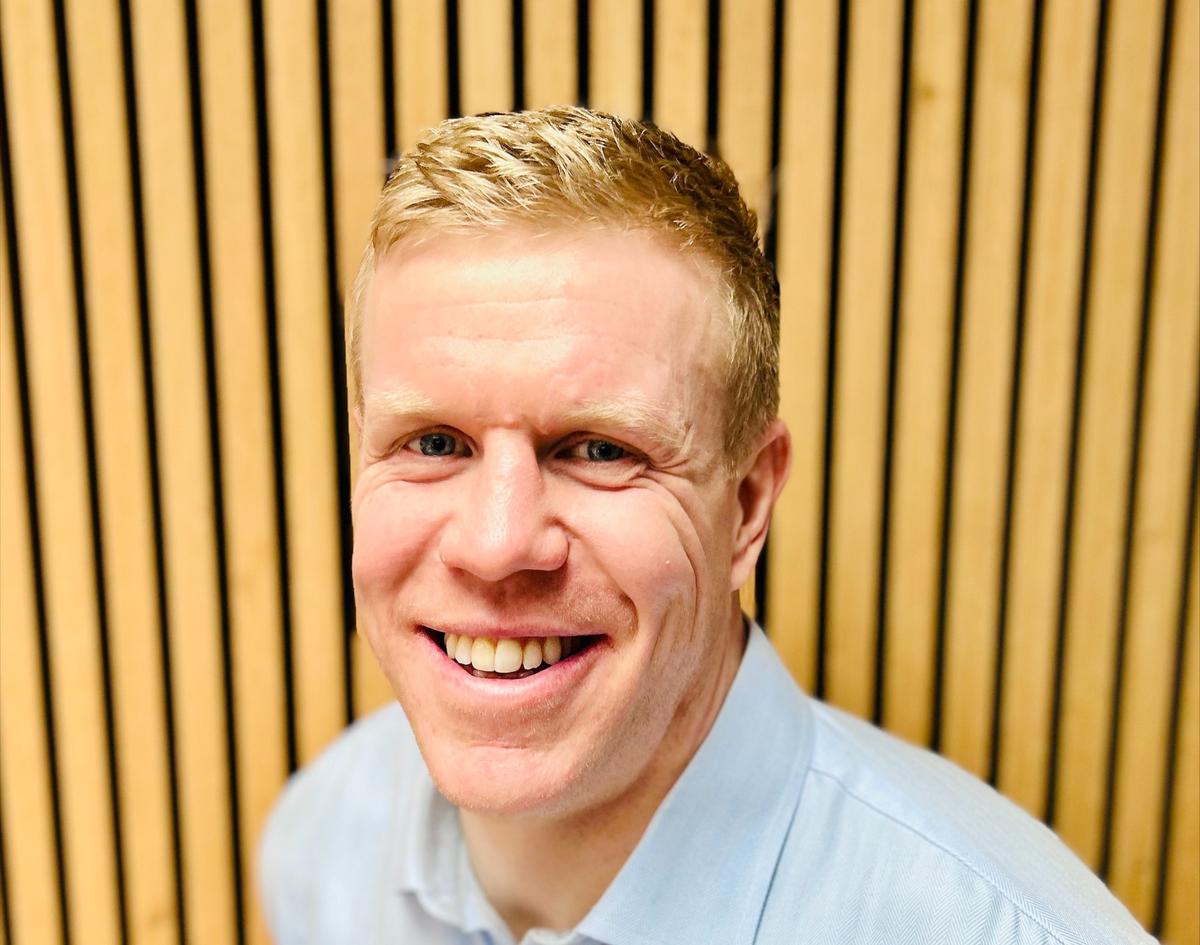
A member of our staff recently stood in front of his colleagues and showed us a photograph of himself at 15. He was with three other boys. One is now in prison for murder. One has been murdered. Two found a way through. All four should have. In the photograph, he was carrying a knife. Not because he wanted to, he told us, but because he genuinely believed he needed it. That distinction matters. What looks from the outside like a reckless decision can feel entirely rational inside an environment that has become dangerous. Far too easily, young people become statistics once things have already gone wrong. Exclusion. Persistent absence. Unemployment. Offending. Poor mental health. By then, the warning signs have often been visible for months or years. Instead, deliberate relationships need to be built with people who notice those signs early enough to do something. At Greenhouse Sports, our Coach-Mentors work in schools and stay in each one for at least three years. They’re there every day: before school, during lessons, at lunch and after the final bell. Sport is often how the relationship begins, but it’s not the whole story. The Standard has joined forces with Greenhouse Sports to deliver sports coaching and mentoring to young people in secondary schools across some of London’s most deprived boroughs. So far, £500,000 has been raised, with £250,000 going to Greenhouse Sports programmes in London and £250,000 to four other youth charities across the capital. We are calling on corporations, foundations, philanthropists — and our readers — to donate. All funds raised will go to Greenhouse Sports programmes in London.Three years can feel like an eternity in a funding application. In a young person’s life, it’s often the minimum needed for trust. Something changes when you’ve known a child for months rather than weeks. You notice when the loud one goes quiet, when the reliable one starts arriving late or when anger is covering fear. Don Barrell Greenhouse SportsA spreadsheet may eventually record the absence or exclusion. But someone who knows the child can see the change while there’s still time to help. Data tell you what has happened. Useful, but not enough. Relationships tell you why. Attendance is a good example. Our 2024-25 data show that young people who regularly took part in our Greenhouse programmes attended, on average, 11 more days of school than comparable pupils in the same schools. That is not a marginal gain. It can be the difference between slipping into persistent absence and staying properly connected to education. Every business leader understands this principle. Revenue, staff turnover and customer complaints tell you something has already happened. Sporting ChanceThe StandardAttendance is no different. The question isn’t whether we measure it. It’s whether somebody understands what sits behind it quickly enough to act. The biggest lesson I carried over from my career in elite sport as a rugby player for Saracens was about this level of attention. Good coaches notice tiny changes before performance falls away. They don’t wait for an athlete to fail publicly before asking what’s changed. Good leaders do the same. I’ve become convinced that young people deserve exactly this kind of attention, too. Because hardship by itself doesn’t build resilience. Sometimes it simply causes harm. Read MoreInstead, resilience grows when somebody helps you make sense of difficult experiences, stays when things become complicated and keeps expecting something of you. That kind of relationship isn’t soft. Building it is demanding, skilled work, and it takes time. So does proving whether it works. It took us 18 months to establish that every £1 invested in our work generates £11 in social value. I would rather wait for evidence that stands up than reach for a quick result, produced while everyone is still enjoying the initial glow of a short intervention. How your money can help Greenhouse Sports £15 Could enable a young person to access their programme for a week£65 Could provide 4 weeks of sports coaching and mentoring, helping a young person build confidence, resilience and a sense of belonging£165 Could provide coaching and mentoring during school holidays£800 Could provide a full year of coaching and mentoring, ensuring they stay engaged with school and develop the life skills to fulfil their potentialThis is where business has a larger role to play in our work. Not simply by funding a good cause, important as that is, but by bringing scrutiny, patience and performance discipline. Some of the toughest questions we’ve faced have come from business leaders. How do you know it works? Where is the evidence? What would you change? Can it scale without becoming weaker? Those questions have made us better. Government cannot solve the issues young people are facing alone, and business should not pretend it can replace Government. But long-term capital, serious measurement and a willingness to back what works can help shift money towards prevention rather than repeatedly paying for failure. Billions are spent responding to exclusion, unemployment, offending and ill health. Far less is spent on deliberately building the relationships that might prevent a young person reaching those points. That is the choice in front of us. Continuing to count the consequences, or getting much better at building the support that comes before them. I keep coming back to that photograph. Four boys, standing together at 15. Four futures that separated sharply from the same starting point. I don’t believe those outcomes were inevitable. We’ll never remove adversity from childhood. But we can decide whether a child faces it alone. Don Barrell is CEO of Greenhouse Sports.
OPINION - Tough times are unavoidable - but support systems can be built
Full Article
Original Source
Read the full article at Standard →KhanList aggregates and links to publicly available news content. We do not host full articles from third-party sources. Always verify important information with original sources.