
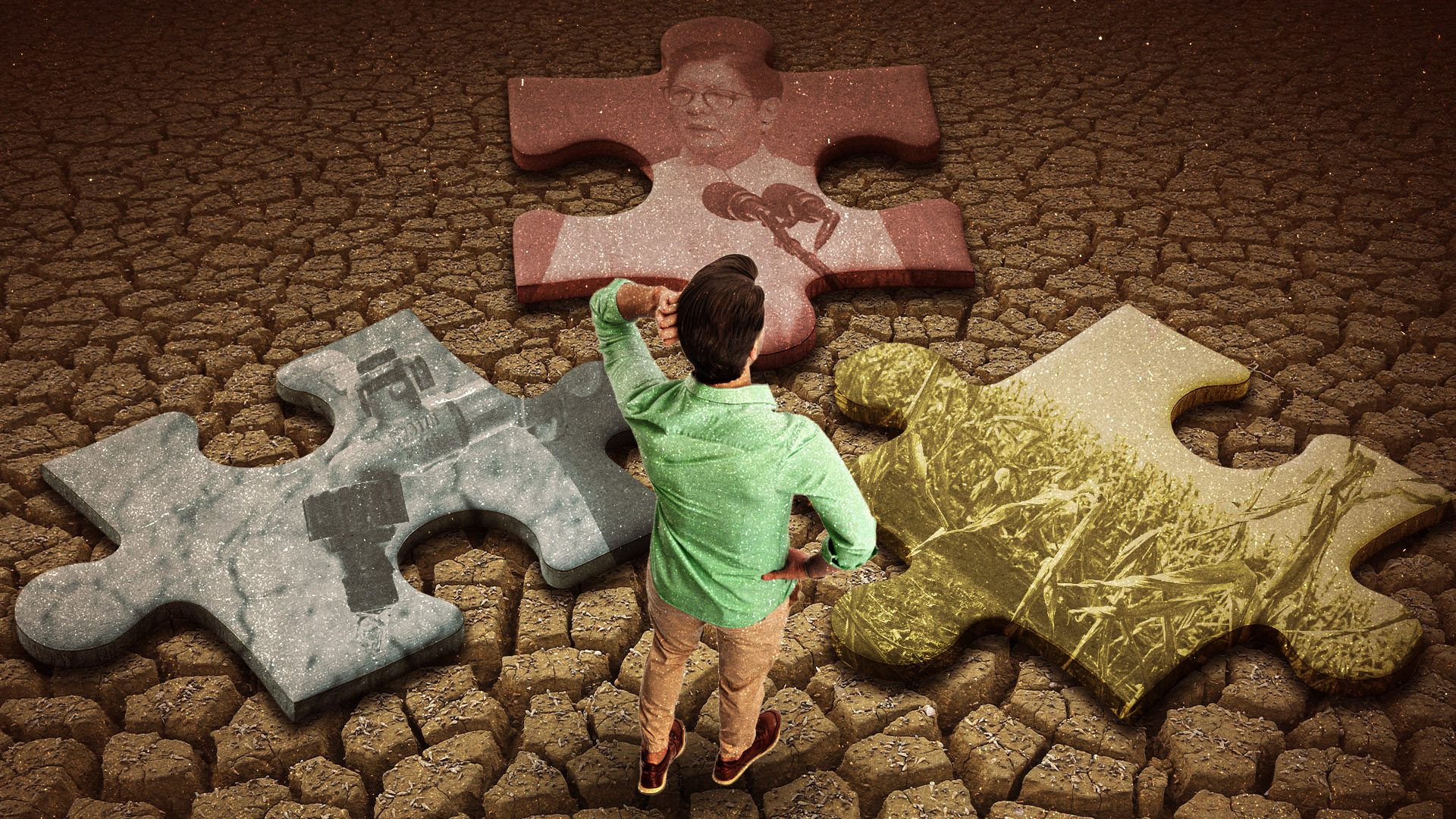
Why should citizens be forced to find the pieces of the puzzle instead of the government presenting the entire picture in the first place? When mistakes have been made, we’re supposed to learn from them. When it comes to transparency, however, many in the Bongbong Marcos administration seem to instead double down on avoiding transparency at a time when it is needed the most. Case in point: the lack of a publicly accessible, updated Strategic El Niño Action Plan. Where is the plan? Hundreds of local government units have already declared a state of calamity. Agriculture and fisheries are already being affected. Our water security is at serious risk. Our health systems are already strained. And the peak of this Super El Niño has not even arrived yet. Yes, it is understandable that this master plan needs to be flexible enough that some of its provisions could be reevaluated and even updated to improve responses to this pending crisis. Obviously, it also makes sense to have a division of labor across national agencies that would focus on responding to their covered sectors (i.e., agriculture, education, water, etc.). Several agencies have already reported their strategies to deal with these impacts. For example, the Department of Agriculture proposed its P61.99-billion spending package for protecting food production and livelihoods. The Department of Environment and Natural Resources is monitoring the water situation across the country. Anticipatory action frameworks are being built to trigger responses before the peak. But the lack of a publicly available and readily accessible overall Strategic El Niño Action Plan limits effective coordination among sectors and stakeholders in addressing these challenges. It prevents clear, efficient tracking of the quantity and effectiveness of expenditures, hindering the capacity to hold duty-bearers accountable. Why should citizens be forced to find the pieces of the puzzle instead of the government presenting the entire picture in the first place? Why should we build our defenses against the Super El Niño without even knowing the overall blueprint? Sadly, this is nowhere near the first time this administration has been shown lacking in its crisis communications. The same patterns emerge time and again: premature guarantees of readiness, inconsistent messaging, pronouncements of assistance without proper implementation, and centering much of its narrative on household-level responsibility. This is not even the first time this year; remember how this government handled the energy crisis that is still ongoing these days? It is another reminder that our electricity bills could be increasing again soon because the peso is depreciating — that, and a bunch of factors, such as the government’s refusal to truly commit to transitioning away from fossil fuels. It is more than fair to ask whose needs are really being addressed here. Speaking of needs… Whose needs? No one should ever refuse to support bills that would mandate civil society and citizens’ participation in the national and local budgeting processes. After all, the budget that is intended for the Filipino people must be shaped by the Filipino people. It is a constitutional right of every citizen to be involved in decision-making processes, especially on an issue that involves their taxes, their well-being, and their future. Yet there would not even be a need for this if there were a greener diet for public service instead of craving for pork — hard, soft, or however they like it figuratively cooked. There would be no need for this if there were no corruption in flood control projects or any other project. No one in the government must ever be ignorant of the needs of the citizens they are sworn to serve. Yet the decisions made by the lower chamber of Congress in their version of the 2027 budget indicate they are not as aware of the needs of Filipinos as they should be. Staying with the lens of the Super El Niño — projected to be the strongest in decades — reducing the budget for crop insurance, the National Disaster Risk Reduction and Management Fund, or the entire health sector compared to their 2026 allotments just does not add up. Aside from the procedural questions, there are other questions that must be asked: Do the allocations for constructing or rehabilitating water infrastructure projects go to communities that would be hit the earliest or the hardest by the pending droughts? Are these infrastructure projects designed to be truly resilient to current and future droughts, floods, and other hazards? Public participation should never depend on who is in power. Transparency cannot depend on which lawmakers have thick enough skin for genuinely meaningful engagements. Accountability does not only apply after corruption has been exposed. Tears shed within air-conditioned hallways should not drown out the cries of the earth and the poor. Whether it is the Super El Niño or any other issue, the public has the right and deserves to know not just how our money is being spent but also where, for what purpose, and for whom. We cannot expect citizens to trust duty-bearers who fail to answer these questions that are part of their mandate. For anyone in public service, the best ability is accountability. For building a healthy democracy, the best currency is transparency. Never forget that. – Rappler.com John Leo Algo is the national coordinator of Aksyon Klima Pilipinas. How does this make you feel? Loading
[OPINION] From Super El Niño to the budget: What is the plan?
Full Article
Original Source
Read the full article at Rappler →KhanList aggregates and links to publicly available news content. We do not host full articles from third-party sources. Always verify important information with original sources.