
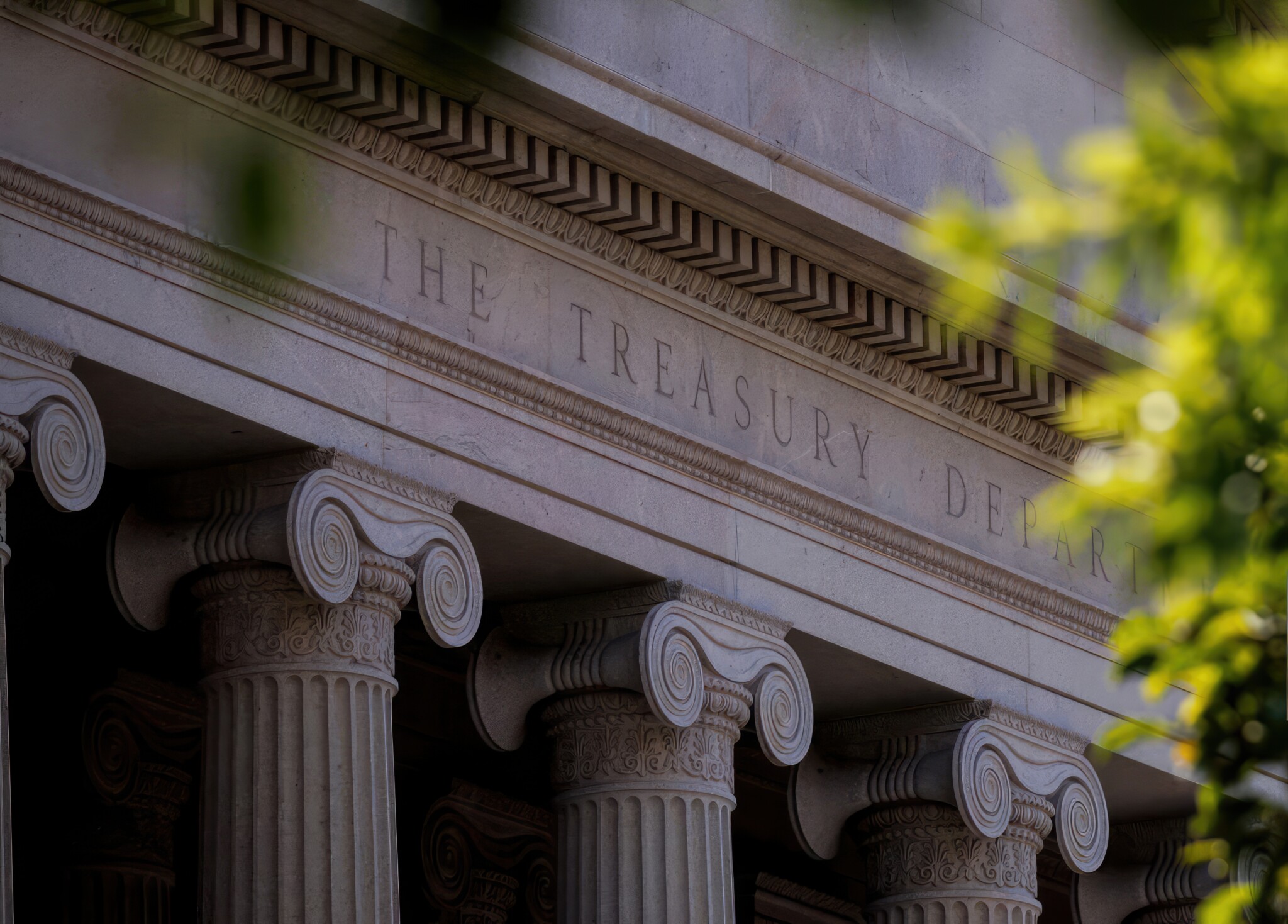
And so, it begins. On Monday, the U.S. Treasury Department launched Operation Economic Outcast in a bid to expand the architecture of U.S. sanctions against the Islamic Republic of Iran and its network of foreign facilitators and enablers. Concurrent with news of this operation was the Treasury Department’s first wave of new designations that take aim at a total of 57 persons, entities, and vessels supporting Iranian sanctions circumvention efforts. The State Department concurrently designated 27 additional targets under Executive Orders 13846 and 13949, including traders of Iranian petroleum and petrochemical products based in Turkey, India, Singapore, and Hong Kong, as well as senior Iranian defense officials and entities. Despite the broad net cast by the Secretary of the Treasury in a speech that laid out this coercive approach as “Economic D-Day,” the first batch of designations under this new strategy remained focused in scope. Specifically, Treasury’s designations targeted four main illicit ecosystems: military procurement, cyber operations, oil transportation and commodities trading. Of Treasury’s targets, just over half are linked to Iranian oil sales, maritime transportation, or commodities trading, while just under 40 percent support the regime’s proliferation and missile programs, and less than 10 percent are actors in the cyber domain. Taken together, the designation package targeted the Islamic Republic’s extra-territorial economic operations, a move likely to set the foundation for Washington’s decision to identify and disrupt Iran’s foreign facilitators that allow the regime to move money and goods using the formal and informal financial system. As for the macroeconomic pain to be generated by this enforcement action, Washington’s objective remains the same: to raise the transaction cost of continued sanctions evasion while reducing both oil and non-oil revenues and sensitive foreign technologies available to Tehran. Upon closer inspection, Treasury’s latest sanctions show Washington targeting entire supply chains such as procurement agents, logistics firms, and payment companies that insulate Hong Kong-Iran trade from scrutiny, for example. This network-centric approach was not applied in all areas, however. When focusing on shipping, Treasury’s targeting of Iran’s shadow fleet, which relies on older tankers acquired by recently created entities, is indeed welcome and prevents the de-coupling of ships from their owners. This double designation ensures that as long as the vessel remains owned by the owner firm, it remains blocked even if it is reflagged or renamed. It also keeps the owner company blocked even if it sells the vessel. However, additional actions from the U.S. government, like regulatory and diplomatic pressure for port denial, flag cancelation, designation of board members and C-level executives of the owner companies, and insurance restrictions, will still be needed to prevent reconstitution. Looking ahead, the most important component of Operation Economic Outcast may be Treasury’s decision to expose five key sectors of the Iranian economy — shipping, aviation, technology, gold and digital assets — to sanctions under Executive Order 13902. This Executive Order, issued in January 2020, the last full year of the first Trump administration, focused on denying Tehran revenues from key sectors of its economy that support or underwrite the panoply of threats to U.S. national security, be it nuclear or missile proliferation or material support for terrorism. The identification of these additional sectors likely represents an attempt by Washington to plug holes in its existing sanctions architecture where Tehran has been able to race or outpace previous U.S. maximum pressure penalties. Of the areas listed, Treasury’s latest designations were not evenly distributed across the five newly sanctionable sectors. No major gold dealer, airline, cryptocurrency exchange or globally significant technology manufacturer was designated, although several smaller Chinese and Hong Kong technology and procurement firms were targeted. The new gold, aviation and digital-asset authorities should therefore be viewed primarily as advance notice of the direction future U.S. sanctions against Iran’s illicit networks are likely to expand in. To take stock of Washington’s resolve here, the press and policy commentariat are keeping their eyes peeled on whether the Trump administration will risk designating a financial institution in mainland China given concerns over retaliation. But there are other measures Treasury can take to make sure its latest economic pressure policy against Tehran packs a punch. Specifically, the administration should not hesitate to expand targeting to confront larger international players in each sector it just identified. These can include cryptocurrency exchanges processing Iranian transactions, major gold dealers and refiners which serve sanctioned Iranian entities, ports, bunker suppliers, and ship managers repeatedly servicing sanctioned Iranian vessels, and even foreign financial institutions that knowingly process significant Iran-related transactions. The new sectoral determinations expand the pool of transactions that expose banks to correspondent-account sanctions. If Washington holds the line on these five sectors, it will turn its new authorities into chokepoints. And, if the Trump administration truly wants to bring about an economic D-Day for the Islamic Republic, it must avoid replicating the tactical success but strategic stalemate it has faced on the military front against the regime. To quote former Secretary of Defense General Jim Mattis, “Targetry never makes up for a lack of strategy.” A large number of Iranian entities added to U.S. sanctions lists does not guarantee a major macroeconomic impact. When prioritizing new designation targets, centrality to the network in question should drive targeting. Not every person or entity supporting sanctionable activity carries the same weight for Tehran. To measure success, key indicators like Iranian oil and petroleum-product export volumes, the use of gold and cryptocurrency in trade settlement, discounts offered or required to sell Iranian cargoes, and the number of financial institutions terminating Iran-related business must be watched. And when designing new penalties, geography should be considered. A different strategy will need to be employed in jurisdictions like Singapore, India, Turkey, Iraq, and the United Arab Emirates (UAE), compared to the Marshall Islands, Hong Kong, or mainland China. These varied approaches range from sanctioning maritime services and commodity trading offices to pressure for beneficial ownership disclosure and flag cancelations, to warning and then designating banks that handle procurement transactions. Bolstered by the maritime blockade, Operation Economic Outcast can mark a meaningful change in U.S. sanctions strategy if it takes down the multinational ecosystem that allows Tehran an international financial lifeline. Treasury’s latest sanctions have just helped set the predicate to do so. Saeed Ghasseminejad is a senior fellow at the National Union for Democracy in Iran (NUFDI) and the Director of the Iran Prosperity Project (IPP). Behnam Ben Taleblu is the senior director of the Iran Program and a senior fellow at the Foundation for Defense of Democracies (FDD). For more analysis from the authors and FDD, please subscribe HERE. Follow FDD on X @FDD and @FDD_Iran. Follow Behnam @therealBehnamBT. FDD is a Washington, DC-based, nonpartisan research institute focusing on national security and foreign policy.
Operation Economic Outcast Commences, And Where It Could Head
Full Article
Original Source
Read the full article at Fdd →KhanList aggregates and links to publicly available news content. We do not host full articles from third-party sources. Always verify important information with original sources.