
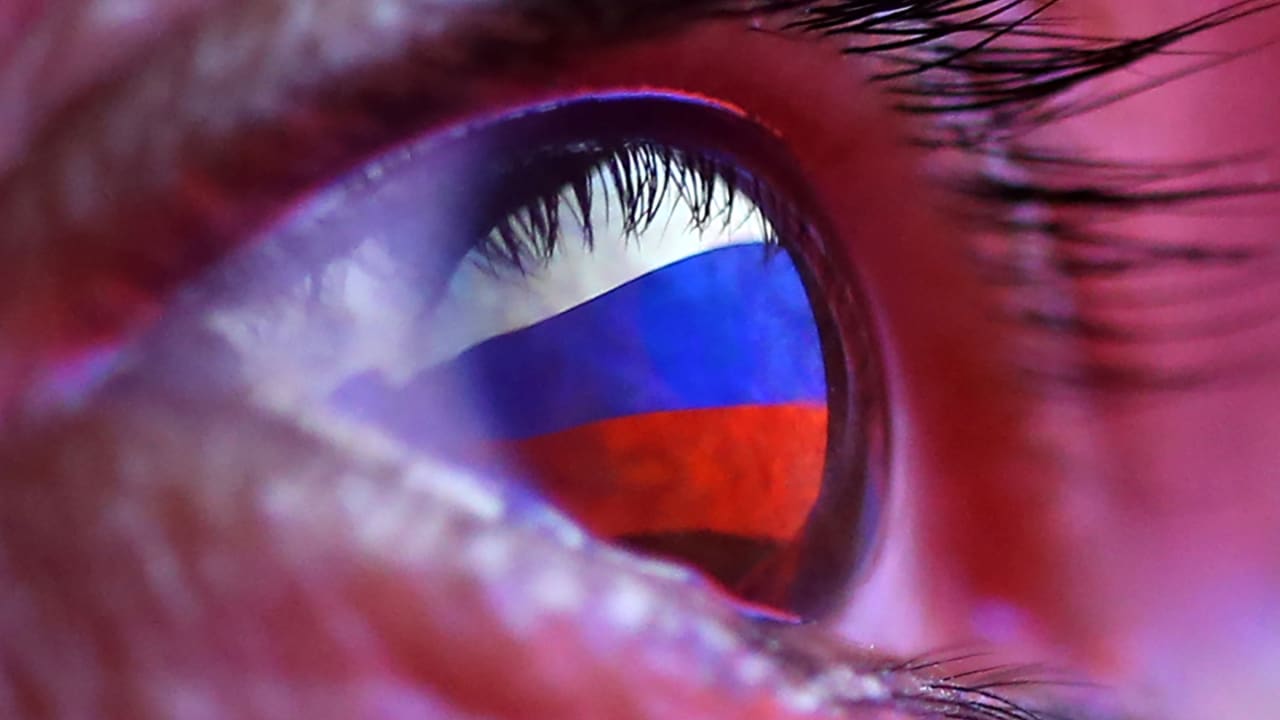
Jerusalem Post/World NewsAccording to the IBI, it "operates in Israel, publishes original research and analytical materials, and maintains an open-access library of significant works by contemporary scholars of sovereignty."Follow us on GoogleA Russian flag is reflected in an eye in this picture illustration taken October 4, 2018.(photo credit: REUTERS/DADO RUVIC/ILLUSTRATION)AUGUST 27, 2026 11:59OpenAI said Tuesday it blocked several ChatGPT accounts believed to originate in Russia and used to promote the International Burke Institute (IBI). This Israel-based think tank describes itself as an “expert community.”According to the IBI, it "operates in Israel, publishes original research and analytical materials, and maintains an open-access library of significant works by contemporary scholars of sovereignty, with full source attribution. IBI brings together researchers, experts, journalists, and authors from different countries, cultural backgrounds, and professional traditions."The most notable aspect of the IBI discovery was its “sovereignty index,” according to the OpenAI report. The index appeared designed to praise Russia and its allies while maligning Western nations. The report also noted that because ChatGPT is not accessible in Russia, the account owners must have been using VPNs to change their virtual location.OpenAI, the creator of ChatGPT. (credit: SHUTTERSTOCK)OpenAI determined IBI was part of Russian influence campaignAfter investigating the matter, OpenAI determined that IBI and its activities were part of a larger Russian propaganda operation. This operation also included accounts across several social media platforms, including Substack, Telegram, X, LinkedIn, and Facebook.IBI claims to be a large-scale think tank with dozens of experts publishing research on its website, which lists a Tel Aviv mailing address. OpenAI noted in its report that many of the articles on the website were copied from real academic writings, and some had incorrect attributions; some were years old, and some articles appear to have been machine-translated from a Slavic language.OpenAI concluded that this suggested an attempt to look more legitimate by packing the website with academic content while fudging the actual source of the content.Finally, the OpenAI report explained that the impact of this Russian information operation was based more on its infrastructure than its actual reach. The IBI social media accounts generally had low engagement. Still, the posts were tied to a credible-looking institution, leading anyone who came across them to believe that the IBI and the associated social media accounts were representing verified academic research. Allegedly fake research institute responds to Russia propaganda allegationsIBI responded to these allegations on Wednesday, referring specifically to a report in the French news outlet Le Monde, which based its report on OpenAI's findings."The Burke International Institute (IBI) strongly rejects the claims made in an August 25, 2026, publication by Le Monde that portrays the Institute as a 'real-fake Israeli think tank' and implicitly links it to foreign information operations."The group also addressed the fact that it purports to operate from Tel Aviv, saying that this was a deliberate choice and that Israel "provides a natural setting for independent thought, scholarly inquiry, and the critical examination of prevailing international interpretations."Follow us on Google
OpenAI blocks Russian ChatGPT accounts promoting alleged fake Israeli think tank
Full Article
Original Source
Read the full article at Jpost →KhanList aggregates and links to publicly available news content. We do not host full articles from third-party sources. Always verify important information with original sources.