
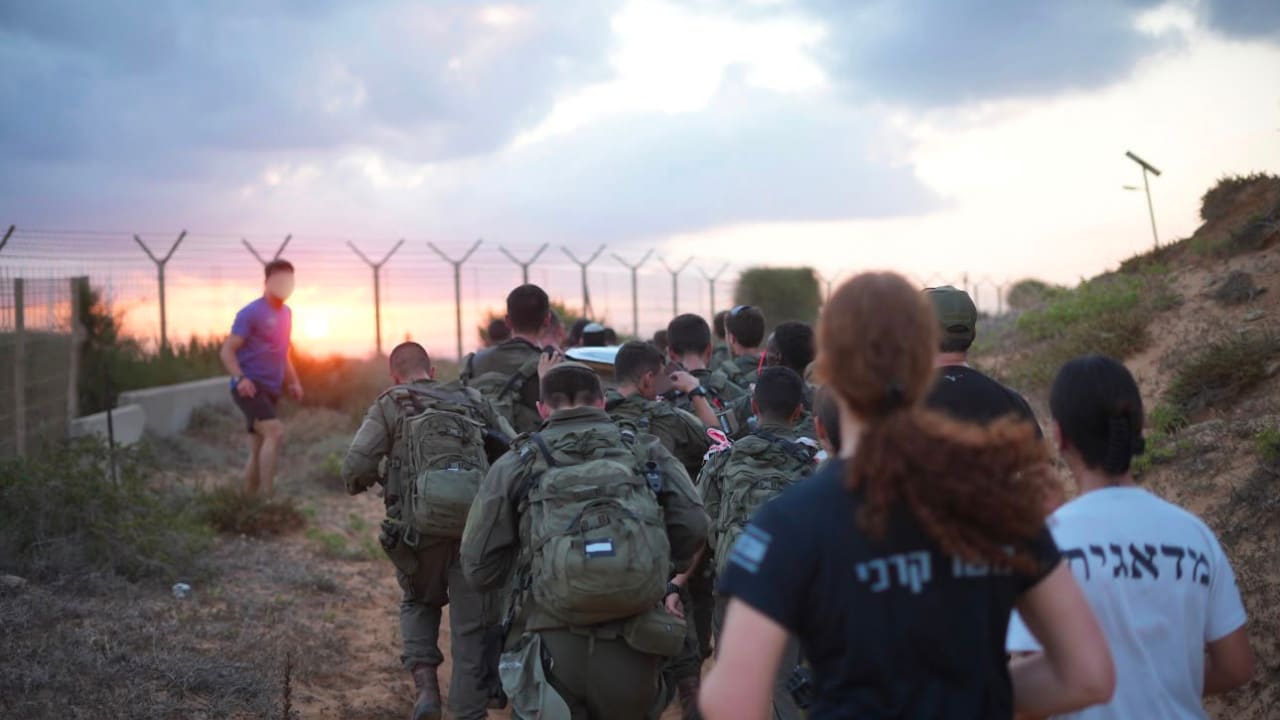
The IDF's reality, where it wants both women and religious men serving together, demands clear rules, common sense, and commanders who know the soldiers they lead.Follow us on GoogleIDF soldiers participate in the Arrowhead agility competition on July 8, 2026. (photo credit: IDF SPOKESPERSON'S UNIT)SEPTEMBER 1, 2026 05:55At least seven religious soldiers from the Givati Brigade’s Rotem Battalion were sent to military prison after refusing to board a Namer armored personnel carrier with a female paramedic during an operation in Gaza.The soldiers argued that the cramped conditions inside the Namer violated the IDF’s Joint Service Order and understandings reached with religious-Zionist yeshivot. The IDF said religious soldiers are entitled to carry out operational activity in a gender-segregated framework, except in exceptional cases, and that the mission was canceled because of the refusal.Finance Minister Bezalel Smotrich backed the soldiers, saying they had insisted on their “right and duty” to serve while preserving their faith. “As the leader of religious Zionism,” he said, he could not sit idly by and would demand answers from the IDF.The IDF also has questions to answer.Religious-Zionist soldiers have paid a heavy price since the October 7 massacre. Hesder students and graduates have filled combat units and reserve units.Religious IDF Israeli soldiers pray during a training of the Ultra Orthodox Unit at the Givati Brigade near the Israeli city of Beit Shemesh, September 27, 2017. (credit: YONATAN SINDEL/FLASH90)The army has to take their religious commitments seriously and honor the Joint Service Order and agreements with the yeshivot whose students serve in combat.Integrating must allow one sector to serve alongside another, without expenseIntegrating women must allow one sector to serve alongside another without coming at its expense, Chief of Staff Lt.-Gen. Eyal Zamir said in June. The army should examine whether commanders respected the framework promised to religious soldiers and whether the female paramedic’s presence inside the Namer met the order’s exceptional-circumstances standard.War wrecks carefully drawn arrangements. The October 7 massacre showed exactly what that means.Col. Shemer Raviv, who at the time was commander of the Paran Brigade, came from the religious-Zionist world and studied at the Otzem Pre-military Torah Academy, founded in Atzmona by Rabbi Rafi Peretz. Raviv has described himself as a man of faith.On October 7, his force encountered dozens of terrorists near Yated. A tank commanded by a woman reached the battle. Raviv climbed inside, joined the female crew and directed its fire. He later said he had fought alongside women in extremely difficult encounters and had seen female soldiers perform flawlessly.That same day, female tank crews fought at Holit and Sufa, while male and female combat medics treated casualties under fire. During the war, female paramedics entered Gaza with male combat units. A female paramedic also spent a month in a Namer with observant soldiers after a rabbi ruled that saving lives permitted it.These examples show that religious observance and mixed-gender service have already collided under the harshest conditions and been resolved.When a soldier is bleeding in Gaza, nobody asks whether the medic is a man or a woman.When mission leaves no alternative, the commander decidesReligious soldiers should receive the accommodations they were promised whenever the mission allows it. The army should make every reasonable effort to prevent unnecessary clashes over religious observance. When the mission leaves no realistic alternative, the commander gives the order and soldiers follow it.Soldiers can raise religious objections. Commanders should listen and find a practical solution whenever one exists. The army’s rabbis should help resolve disputes before they explode inside an APC. The rules also need to be clear enough so that soldiers do not learn what they mean while already heading into Gaza.Smotrich went too farCivilian rabbis do not command IDF units. Neither do politicians.This is where Smotrich went too far.As a cabinet minister, he has every right to demand an explanation from the IDF and ask whether it broke commitments made to religious soldiers. Giving political backing to soldiers after they refused an operational order sends another message: Refuse first, and political protection may follow.Apply that principle throughout the army: A religious soldier follows his rabbi; a secular reservist follows his political conscience; another soldier listens to an activist group; every community gets its own veto.No army can operate that way.Israel wants more religious soldiers in uniform, including haredim who distrust the military’s willingness to protect their way of life, while women are serving in more combat and medical roles.That reality demands clear rules, common sense, and commanders who know the soldiers they lead.The IDF should keep its promises to religious soldiers and respect the women who serve beside them. When an operational order is given, there must be no doubt about who commands the army.Common sense, mutual trust, and clear lines of authority can make this work. Without them, the IDF risks losing some of its most committed religious soldiers while making haredi recruitment even more difficult than it already is.Follow us on Google
Only clear rules, command chain, can let IDF avoid internal conflict due to religion - editorial
Full Article
Original Source
Read the full article at Jpost →KhanList aggregates and links to publicly available news content. We do not host full articles from third-party sources. Always verify important information with original sources.