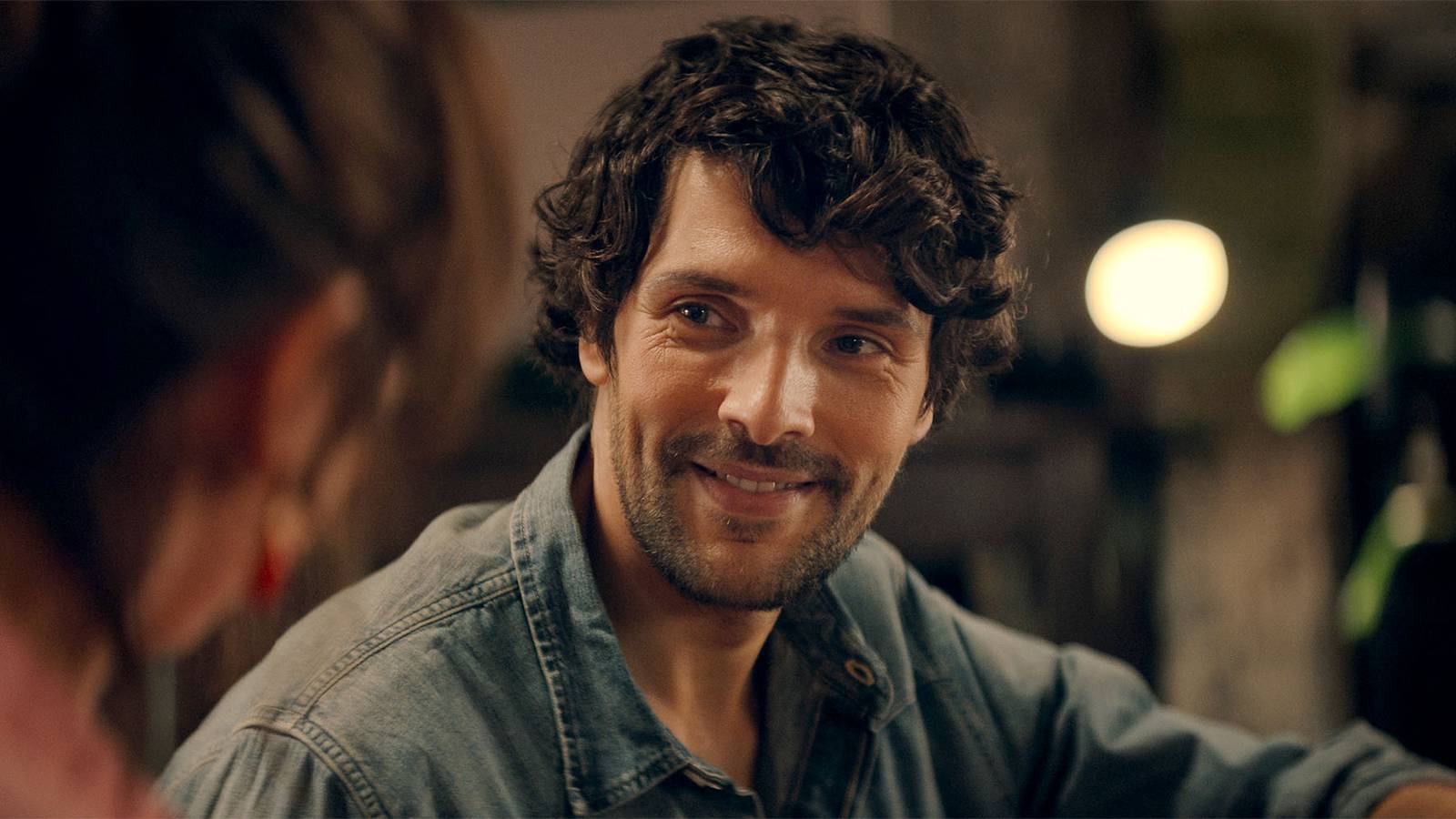
Published Aug 4, 2026, 7:29 PM EDT Amanda M. Castro is a Network TV writer at Collider and a New York–based journalist whose work has appeared in Newsweek, where she is an Associate Editor, and The U.S. Sun, where she previously served as a Senior Consumer Reporter. She specializes in network television coverage, delivering sharp, thoughtful analysis of long-running procedural hits and ambitious new dramas across broadcast TV. At Collider, Amanda explores character arcs, storytelling trends, and the cultural impact of network series that keep audiences tuning in week after week. Born and raised in Puerto Rico, Amanda is bilingual and holds a degree in Communication, Film, and Media Studies from the University of New Haven. For most television shows, music is the finishing touch. The scripts are written, the scenes are filmed, and only then does the search begin for the perfect song to carry viewers into the credits. Trying has spent five seasons turning that process on its head. Apple TV's beloved comedy commissions an entirely original soundtrack for every season, asking a different artist to write songs inspired by the characters before episodes are even completed. The result is a series where the music becomes part of the storytelling itself. This is what makes Trying stand out in Apple’s increasingly impressive catalog. While other streamers are known for expensive needle drops or playlists packed with recognizable hits, Andy Wolton’s comedy has built something far more distinctive. Every season has its own musical identity, every finale lands with a song that feels inseparable from the emotions on screen, and Apple has found a rare way to extend that experience onto Apple Music without it ever feeling like a corporate exercise. It’s a creative approach few streamers are equipped to replicate, let alone sustain across five seasons. Trying Treats Every Season Like Its Own Album Image via Apple TV From the beginning, Trying has understood that becoming a parent is a collection of chapters. In this series, Nikki (Esther Smith) and Jason (Rafe Spall) deal with infertility and subsequently adopt children, while later on, they face difficulties with raising their adopted kids and experience the ups and downs of what it is like to be a parent. Each season of the series has its own soundtrack rather than the same songs throughout the story. Season 1 featured original music led by Guy Garvey. Season 2 handed the reins to Maisie Peters, followed by Bear’s Den in Season 3, BEKA in Season 4, and Orla Gartland for the newly released fifth season. Instead of repeating a formula, each artist brings a different perspective while serving the same emotional goal: finding the feelings the characters can’t quite say out loud. That decision gives every chapter of Trying a distinct personality. As the show evolves, so does its sound. The music grows alongside Nikki and Jason rather than remaining frozen in the emotional space where the series began. It’s a subtle creative choice, but one that helps explain why Trying never feels like it’s simply recycling the same beats season after season. The Music Is Written From the Story, Not Added After It Image via Apple TV When Maisie Peters joined the series for Season 2, she wasn’t handed completed episodes and asked to write music afterward. She received scripts before filming, taking detailed notes on characters, imagery, themes, and emotional turning points, and then wrote eight original songs inspired by the season. That meant the production team could edit pivotal closing montages around music already written for those moments, rather than dropping in temporary tracks and hoping licensed songs would fit later. It’s an unusually collaborative process that blurs the line between songwriter and storyteller. The lyrics rarely mention specific plot points or character names, yet they capture exactly what Nikki, Jason, and the people around them are experiencing. Love, disappointment, hope, fear, self-doubt, and family all find their way into the music without feeling overly literal. Those closing minutes have become one of Trying's defining signatures. Nearly every episode slows down just before the credits, giving viewers a chance to sit with what just happened as the original music takes over. It’s where the show’s biggest emotional punches often land because the songs deepen what was already there. Season 5 continues that tradition through Orla Gartland, whose eight original tracks were written around the season’s evolving family dynamics before gradually becoming personal reflections on love, growth, and belonging. Even as the artist changes, the philosophy remains exactly the same. Apple TV Has Built an Ecosystem Other Streamers Can’t Easily Copy Image via Apple TV The soundtrack itself would already make Trying unusual. What elevates the concept further is what happens after the credits roll. Because Apple owns both Apple TV and Apple Music, the songs don’t disappear once an episode ends. They become albums that listeners can revisit independently, giving each season another life outside the series. It feels less like an extension of the story, allowing viewers to reconnect with the emotions of a season simply by pressing play. Much of Season 1’s soundtrack isn’t readily available across competing streaming platforms, making Apple Music the primary home for songs that were created specifically for Trying. Instead of treating the soundtrack as disposable marketing material, Apple has preserved it as part of the show’s identity. Other streamers certainly commission original music, but few have consistently built an entirely new soundtrack for every season of a scripted series while giving those songs a permanent home within their own music ecosystem. It requires creative planning, long-term investment, and an infrastructure that most competitors simply don’t have.
One of Apple TV’s Greatest 5-Part Shows Is Doing Something No Other Streamer Can Match
Full Article
Original Source
Read the full article at Collider →KhanList aggregates and links to publicly available news content. We do not host full articles from third-party sources. Always verify important information with original sources.