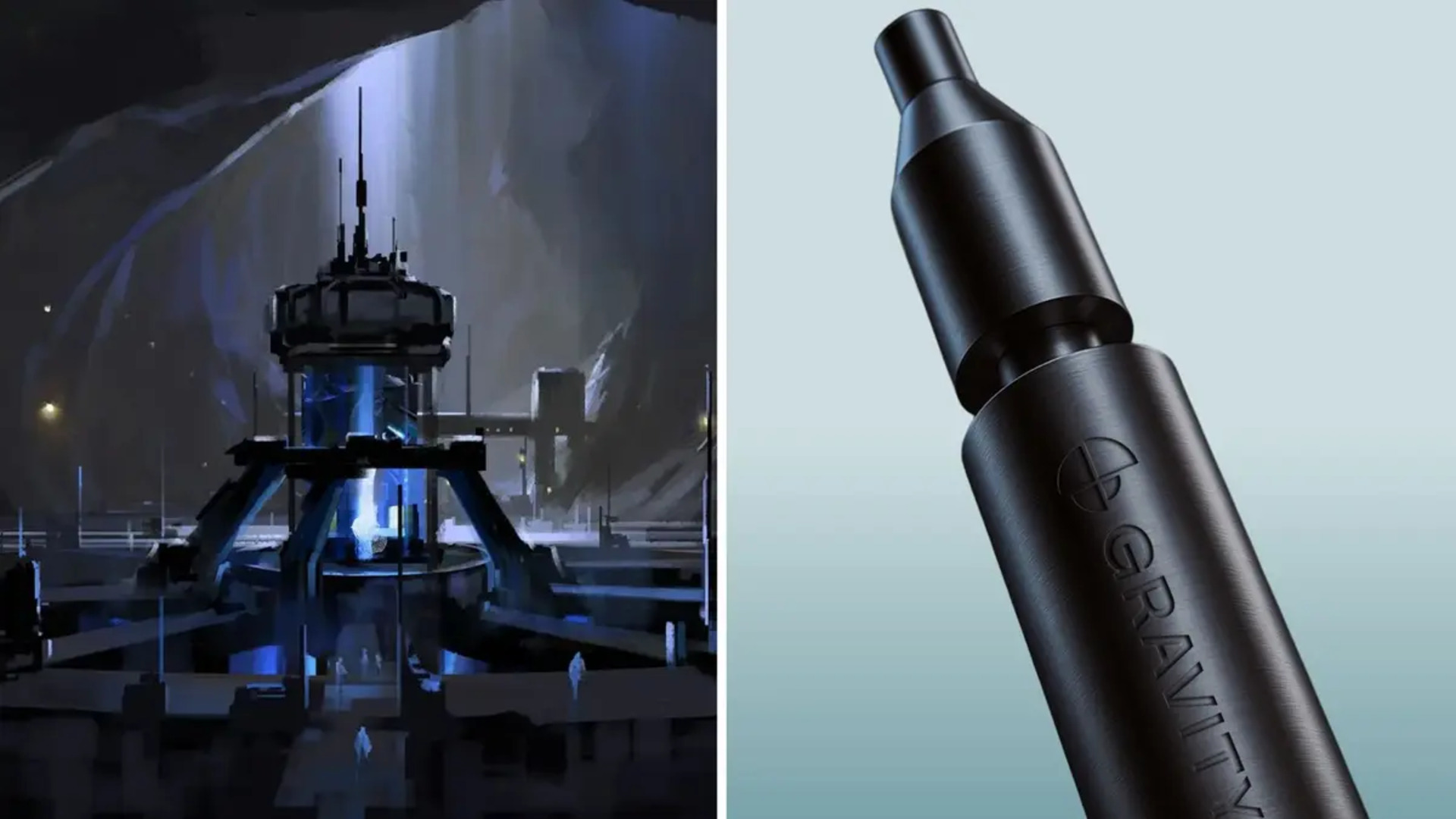
Deep Fission has secured a key regulatory approval from the U.S. Department of Energy (DOE), allowing its underground small modular reactor (SMR) concept to advance under the federal Reactor Pilot Program. The decision clears the company’s Nuclear Safety Design Agreement (NSDA), establishing the safety basis for its Gravity nuclear reactor as it moves toward demonstration and, eventually, commercial operation. Unlike conventional nuclear plants, Deep Fission’s design places a pressurized water reactor about one mile below the surface inside a deep borehole. The California-based company argues that the underground approach could simplify deployment, reduce the size of above-ground infrastructure, and rely on proven reactor technology in a different configuration. DOE clears design The DOE’s approval confirms that Deep Fission’s reactor concept has met the requirements needed to proceed through the next phase of the Reactor Pilot Program. The NSDA defines the safety framework that will guide engineering work and future regulatory reviews before the reactor reaches the demonstration stage. Liz Muller, co-founder and CEO of Deep Fission, described the decision as a major milestone for the company. “This approval is a major step forward for Deep Fission,” Muller said. She added that the company’s mile-deep reactor design could help accelerate progress through the remaining development stages. The approval does not authorize reactor operation. Instead, it establishes the regulatory foundation needed for continued design work and future testing under the DOE’s advanced reactor pathway. Deep Fission will now work through additional technical reviews before seeking authorization for its planned demonstration unit. Kansas pilot gains momentum Construction activities continue at Deep Fission‘s commercial pilot site in Parsons, Kansas, located within the Great Plains Industrial Park. Crews have drilled a 6,000-foot data acquisition well and recently delivered a prototype reactor canister to the location, marking another step toward validating the underground deployment concept. The next phase centers on proof-of-concept work. Engineers plan to drill larger-diameter wells and install additional prototype equipment before beginning a full-scale reactor demonstration. The company expects those activities to generate engineering data needed to support future licensing efforts. Commercial focus remains Deep Fission has also outlined a different strategy from many experimental reactor programs. Instead of treating the Kansas facility as a one-time criticality test, the company intends to transition the demonstration reactor into a licensed commercial power plant capable of supplying electricity after completing testing and receiving regulatory approval. According to the company, that approach aligns with the goals of the Reactor Pilot Program and Executive Order 14301, which seek to speed the deployment of advanced nuclear technologies across the United States. Deep Fission will continue working with the DOE as the Gravity reactor progresses through additional technical reviews and regulatory milestones. If the project succeeds, it could introduce a new model for deploying advanced nuclear reactors by placing them deep underground, potentially reducing the surface footprint of nuclear facilities while using familiar pressurized water reactor technology. The upcoming demonstration phase will be a key test of whether that concept can support commercial nuclear power generation in the years ahead.Recommended ArticlesGet the latest in engineering, tech, space & science - delivered daily to your inbox.Aamir is a seasoned tech journalist with experience at Exhibit Magazine, Republic World, and PR Newswire. With a deep love for all things tech and science, he has spent years decoding the latest innovations and exploring how they shape industries, lifestyles, and the future of humanity.
One-mile underground nuclear reactor wins DOE safety approval for commercial pilot
Full Article
Original Source
Read the full article at Interestingengineering →KhanList aggregates and links to publicly available news content. We do not host full articles from third-party sources. Always verify important information with original sources.