
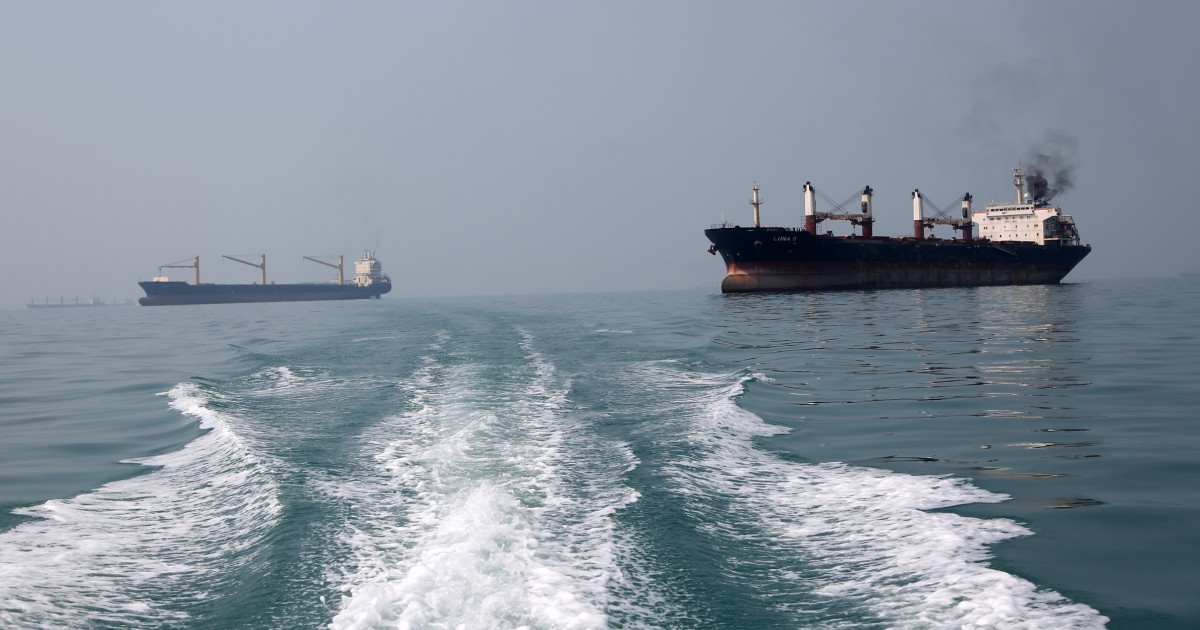
Oil prices jumped sharply Friday to their highest levels in weeks, as investors assessed the impact of both the Iran and Ukraine-Russia wars on global energy supplies.Brent crude oil spiked above $109 per barrel, its highest level since mid-September. The oil price benchmark — widely considered to be among the most important figures in global energy — was just a few cents away from its highest level in five months.U.S. crude oil, which also steers gas prices, rose to $100 per barrel. It was the first time West Texas Intermediate crude had crossed that threshold, closely watched by both traders and the public, since September.Friday’s price jumps will likely add to already elevated gasoline prices for U.S. consumers in coming days. As of Friday morning, regular gasoline averaged $4.32 per gallon nationwide.At midafternoon trading levels, oil prices were poised to gain about 5% over the course of the week. Diesel futures also jumped by more than 1% Friday. The cost of this commercial fuel critical for farming and other industrial sectors has risen even faster than regular gasoline in recent months.Stocks fell Friday, partly in response to the jump in energy prices. The S&P 500 fell more than 1% while the Nasdaq Composite sharply dropped 2% by midafternoon.The price of fuel around the world began its steady rise this spring, when the U.S. and Israel attacked Iran in late February, prompting the closure of the Strait of Hormuz. But an escalation in the Russia-Ukraine war in recent months has caused an even more dramatic price spike for diesel. Russia has traditionally been one of the world’s largest diesel exporters. But attack by Ukrainian forces on its energy infrastructure has taken much of its refining capacity offline. Likewise, energy assets in Ukraine have been targeted by Russian strikes.As a result of the strikes, buyers of Russian diesel have been forced to look elsewhere for their fuel supplies.But there aren’t any clear opportunities to easily expand diesel production. Refineries in the U.S. and Europe are already running at nearly maximum capacity to churn out as much diesel fuel as possible.President Donald Trump is intensely focused on the high cost of diesel fuel because of its key role in driving up inflation -- a top issue for American voters in the Nov. 3 midterm elections.Trump has pressured U.S. allies to release some of their diesel and crude oil reserves, and he recently signed an order to ease regulations on the use of off-road “red dye” diesel.When neither of these actions resulted in a significant step down for diesel prices, Trump made the decision this month to ease U.S. sanctions on Russia. The goal was to allow Russian President Vladimir Putin to release some of Russia’s supplies to the global market. But the sanctions relief stunned world leaders and drew quick condemnation from U.S. lawmakers in both parties. While Trump has touted the deal with Putin as a way to lower prices, as of Friday, no actual Russian diesel had been identified as having reached the global market.Russia’s refining infrastructure has been badly damaged by Ukrainian strikes. On Friday, another Russian refiner suspended some crude oil operations. The Russian Defense Ministry said Ukraine had “attempted a massive attack on the Ryazan oil refinery.”Additionally, a group of American lawmakers introduced a bill that would block Trump’s deal for Russian diesel. It has little chance of passing the Republican-controlled House. But polling indicates that Republicans are unlikely to maintain a majority in the House after November’s elections. The Russian diesel blocking bill offers a preview of the kind of legislation that could advance under Democratic control.Yet even now, the legislation adds to “growing doubts that a U.S. — Russia diesel deal will come to fruition,” said Mason Mendez, global real assets analyst at Wells Fargo. “Investors also remain concerned about further military escalation in the Middle East, as attacks on commercial shipping and regional infrastructure have increased in recent weeks,” he said.“Looking into 2027, the need to rebuild depleted global inventories could create an addition source of demand and keep energy prices elevated for longer.”
Oil prices jump sharply, to nearly $110 per barrel
Full Article
Original Source
Read the full article at Nbcnews →KhanList aggregates and links to publicly available news content. We do not host full articles from third-party sources. Always verify important information with original sources.