
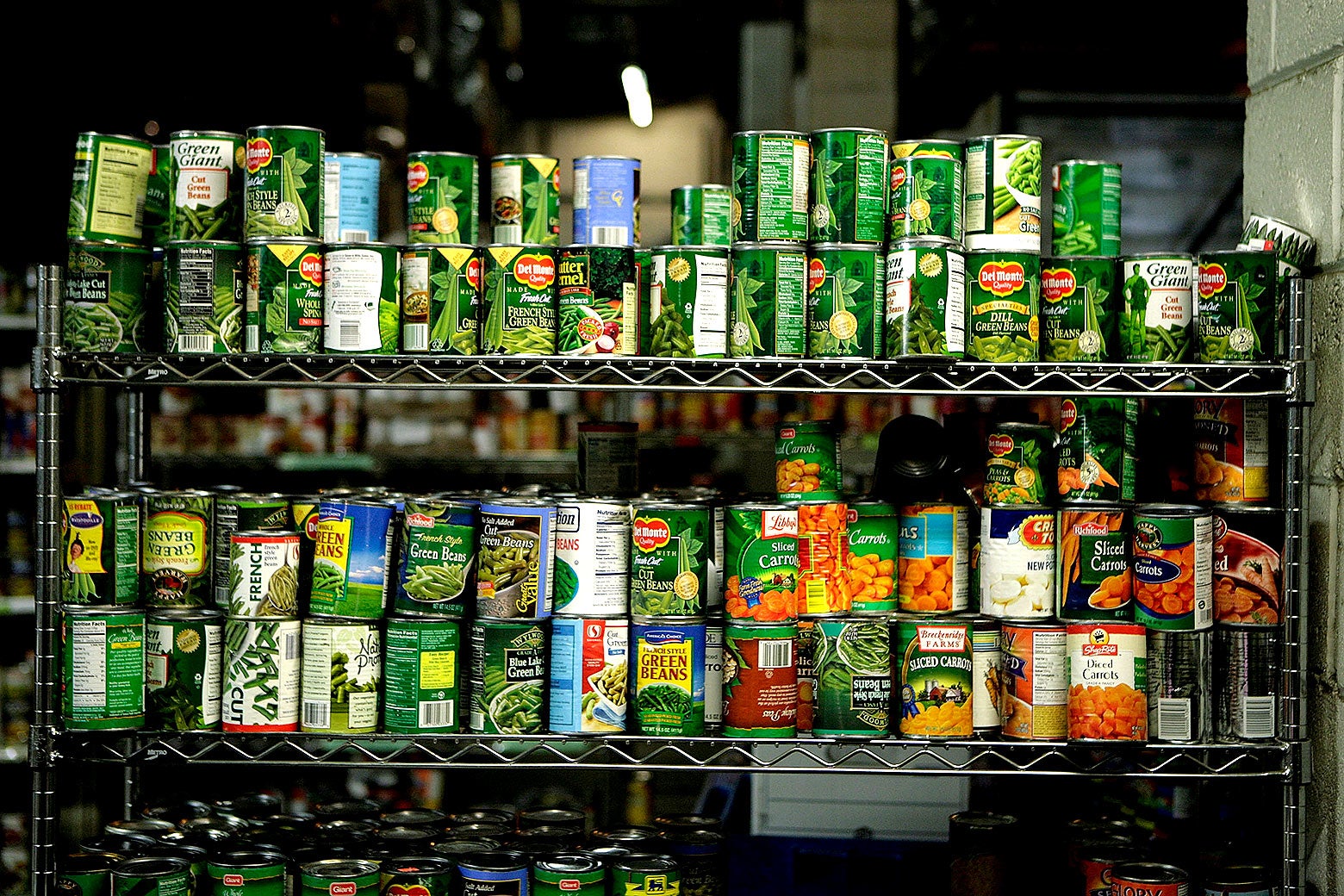
Consumed Are you getting anxious about all this stuff breaking? Thinking you might start stashing a few items, just in case? The prepper community welcomes you. By Enter your email to receive alerts for this author. Sign in or create an account to better manage your email preferences. Unsubscribe from email alerts Are you sure you want to unsubscribe from email alerts for Rebecca Onion? Nov 19, 20265:50 AM Chip Somodevilla/Getty Images Sign up for the Slatest to get the most insightful analysis, criticism, and advice out there, delivered to your inbox daily. Good news—we made it past Nov. 17. Phew! Do you have any idea what I’m talking about? Maybe not, but Nov. 17 was supposed to be the day a 90-day blackout due to the shutdown of America’s electric grid was going to begin. The disinfo spread via TikTok, but then Tuesday passed and the theory was proved false. Thank goodness—maybe the fever for apocalypse that’s gripped Americans over the past few days, weeks, and months as society’s systems seem to crumble will begin to fade. But probably not. As a prepper-curious person for the past about 10 or 15 years who’s probably best described as someone who’s “prepping for Tuesday,” I need to warn everyone who’s newly dabbling: Once you start thinking this way, it can be very hard to stop. The prepper mindset has a very particular appeal that is not only about imagining a crisis in which you could stop doing your shitty job and become newly important to a band of grateful survivors, like Michael in that really good 2004 Dawn of the Dead remake. It’s about thinking through hypotheticals, the eventuality of which can never be disproven, because something could always happen. Got any fear for your family’s future? Want to focus it on obsessively checking and rechecking your stash of Advil? Prepping is ready to welcome you! This October brought a first wave of people on social media convinced that we should be stockpiling necessities due to a supposed nuclear strike on Iran that might happen around the midterms. But the ranks of the worried really swelled last week, when the FAA ground stop had a friend of mine asking, shaken, in the grocery store, if she should be buying extra water. It feels like I’ve seen a version of this tweet (“I’m getting the same kind of vibes that I got late feb 2020 when I pulled my kids out of school, liquidated my portfolio, and spent $3k at Costco on perishables”) every day for months now. This week, my colleagues are Slacking jokes about their bicycles being useful for barter. It’s all very reminiscent of the bad old days of cleaning off your groceries and getting really into dried beans. But now is different from February 2020. There seems to be no climax coming, and yet, people who don’t think of themselves as being apocalypse-brained keep on talking about cash stashes, water, and guns. “I am currently at an ATM because my very intelligent, extremely educated wife who has been an educator for 25 years is convinced society is collapsing tomorrow because of posts she’s seen on Facebook,” someone wrote on X. The usual debate over whether cash would even be useful in a bad situation unfolded in the replies (answer: It obviously would be useful, in some cases, so worth taking out). Everyone’s making nervous bunker jokes, people are recommending including seeds in a stash that’s otherwise calibrated to cover a 72-hour disruption of services, and, apparently, Costco is raking it in. … It’s amateur hour out there. This time, it feels like it’s going to last forever. So I’d caution those who like inventory and life admin that preparedness can take all of your free time and determine all of your hobbies, if you let it. I went on r/preppers the other day and read a thread of people describing what they did this week by way of prep. It really runs the gamut: from “got my cancer removed” (because if SHTF, surgery will stop being an option) to buying bleach; buying DVDs; figuring out a good enchilada recipe using only shelf-stable foods; cutting a new trail through the woods; buying 16 jars of Nutella peanut butter; buying gas for a new generator; adding a deer to the deep freeze; testing the backup heating system; making a “doomsday file” of printed-out tutorials describing how to can, ferment, and do first aid; building a fire pit. … A true prepper is never finished. That’s the nature of the beast. Last week, I canned a bunch of applesauce and bought a bathtub water storage bladder, if you’re wondering. (The one I wanted was out of stock. Everyone cool down out there!) Do you like to-do lists? You will like this life. Every day I get a new idea for something I could do to improve my prep. Here’s a thread on “must haves” that mentions paper maps, paper books, salt, chicken feed, antibiotics, sunscreen, a paper list of phone numbers and addresses of family and friends. … I got some good new ideas from social media just this morning (caffeine pills, way easier to store than coffee! Honey, it lasts forever on the shelf!). But you had better be able to control your emotions when you’re deciding how much to spend. I recommend planning to lay out a certain amount on prep every month, and then trying really hard to keep track—and not to get reactive after reading social media posts. This year I bought a solar generator after spending too much time on Threads and then sent it back after I cooled off (and, OK, my husband gave me a Look). Not my finest hour. Home inventory becoming my personality is a risk I’m willing to run, because a lot of these purchases will be useful in everyday life, or in a three-day snowstorm—that is, actually, what being a prepper for Tuesday, as opposed to doomsday, means. But newish preppers should know that prepper thought offers many dark-sided, fear-producing ideas around what would happen during long-term, serious disruption. It’s easy to get taken in. Take this guy on X advising that if there’s a long blackout, you should cover your windows at night like you’re in London during in the Blitz (too bright), avoid using a gas generator (too loud), and stop cooking food outside (too smelly), all so you don’t reveal you still have supplies. “Don’t tell anyone about your stash” goes without saying, and I hope nobody who reads this article shows up at my house looking for applesauce. Ultimately, the question is this: Do you really want to be thinking too much about how to “harden” your house—or learning that you’ve already screwed up by purchasing one where the entrances are visible from the street? Do you want to be learning about types of situational awareness, or what the acronym WROL means? Do you want to be contemplating the logistics of sleeping in shifts to protect your family? No, it doesn’t seem good for most people’s mental health, or budgets, to dwell too much on these questions. But we can all agree on what’s reasonable: acquiring a good 72-hour stash. That’s what people in the U.K. were told to stockpile, due to El Niño being super this year (this warning is one factor that’s contributed to the current prepping fever). A 72-hour stash seems plenty reasonable, for all of us, British or otherwise. But I’m worried that our splintered media and lame-duck government aren’t capable of stopping there, or putting this new fad back into the bottle. Homeland Security Secretary Markwayne Mullin told Fox News on Sunday that Americans did not need to rush the stores. “I’m not stockpiling and I tell my kids all the time, don’t worry unless you see me worry,” Mullin said. “We’re in good shape here, the panic that people want to draw from is unfounded.” Nice try, Markwayne! Nobody trusts you! And this idea is just too well-adapted to the fearful consumerism and hot paranoia that drives social media. To wit: We’ve now got engagement farmers asking what the “one item” is that people are forgetting, prepper accounts having a field day scaring the normies, and everyone offering an Amazon list they’re happy to share. Be careful out there, newbies. This new worry could become your life. Disasters Food Internet Culture Social Media
Oh, Are You Worried About Society Shutting Down? Welcome to My World.
Full Article
Original Source
Read the full article at Slate →KhanList aggregates and links to publicly available news content. We do not host full articles from third-party sources. Always verify important information with original sources.