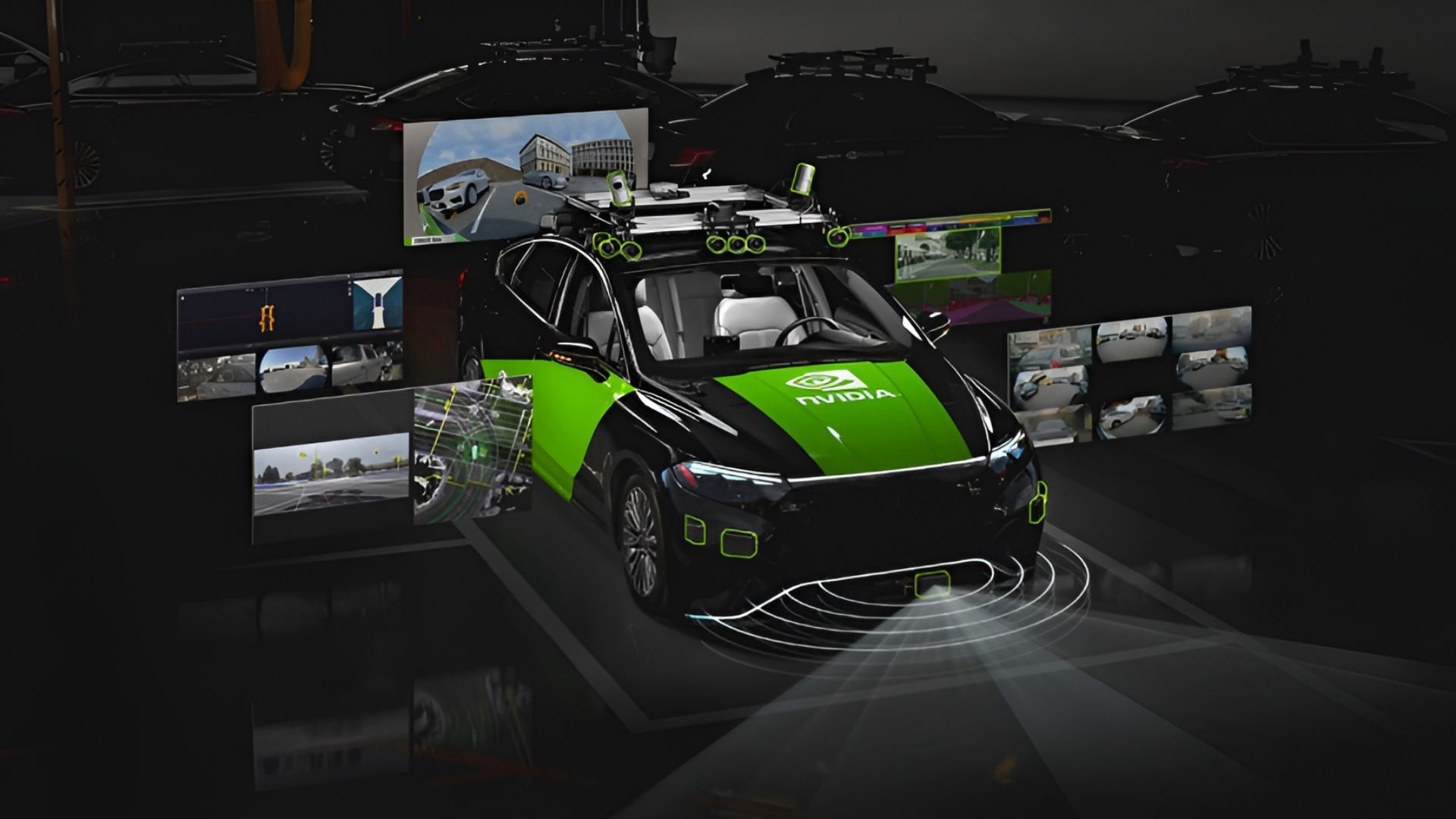
The race to supply sensors for next-generation autonomous vehicles increasingly centers on a handful of computing platforms. AEye has strengthened its position after its Apollo lidar sensor earned validation for NVIDIA’s DRIVE AGX Thor, allowing automakers building on the platform to integrate the sensor without first completing basic compatibility testing. The milestone places Apollo inside the NVIDIA DRIVE Hyperion ecosystem, where pre-qualified hardware can shorten development cycles and reduce integration work. As automakers continue shifting toward software-defined vehicles, compatibility with major computing platforms has become nearly as important as sensor performance. Software-defined lidar Apollo is AEye’s flagship software-defined lidar platform, designed for automotive and other intelligent transportation applications. Unlike cameras, lidar actively measures distance, allowing vehicles to build a detailed depth map of the road ahead. Additionally, unlike conventional lidar systems with fixed scanning patterns, Apollo allows developers to tailor how the sensor scans its surroundings through software, adapting to different driving scenarios without changing the underlying hardware. The sensor can detect objects up to 0.6 mile (1 kilometer) away while providing a 120-degree field of view and generating 6.4 million points per second to create a detailed three-dimensional view of the environment. Its compact design also supports behind-the-windshield integration, allowing automakers to incorporate lidar without major styling changes. Those capabilities are intended to give vehicle developers greater flexibility as autonomous driving systems become more sophisticated. Reducing integration work AEye said Apollo has completed interoperability testing with NVIDIA DriveOS running on DRIVE AGX Thor. That allows manufacturers and Tier 1 suppliers developing vehicles on NVIDIA’s architecture to evaluate a lidar sensor already validated for the platform instead of spending additional engineering time proving compatibility. Matt Fisch, AEye’s chief executive officer and chairman, said automakers are increasingly standardizing around platforms such as DRIVE AGX Thor as they develop future vehicle programs. “Being validated on it puts us squarely in the conversations that matter for the next generation of autonomous platforms,” Fisch said. He added that the achievement reflects the confidence AEye has built with NVIDIA while strengthening its position as a long-term sensing partner for transportation customers. More than hardware The latest validation also expands AEye’s broader relationship with NVIDIA. The company already supports another NVIDIA automotive computing platform and participates in the NVIDIA Halos AI Systems Inspection Lab, which evaluates partner technologies against functional safety, cybersecurity, AI safety, and regulatory requirements. Competition among lidar suppliers increasingly extends beyond detection range and resolution. Automakers also want sensors that fit into established software ecosystems and remain adaptable as vehicle platforms evolve. Apollo’s software-defined architecture aligns with that trend by allowing scanning behavior to be configured through software while maintaining compatibility with NVIDIA’s automotive computing stack. Validation alone does not guarantee future production contracts. Even so, joining the DRIVE Hyperion ecosystem gives Apollo greater visibility as automakers select sensors for upcoming software-defined and autonomous vehicle platforms, where seamless integration between sensing hardware and centralized computing systems is becoming a key requirement.
NVIDIA DRIVE platform adds adaptive lidar with 120-degree view for future vehicles
Full Article
Original Source
Read the full article at Interestingengineering →KhanList aggregates and links to publicly available news content. We do not host full articles from third-party sources. Always verify important information with original sources.