
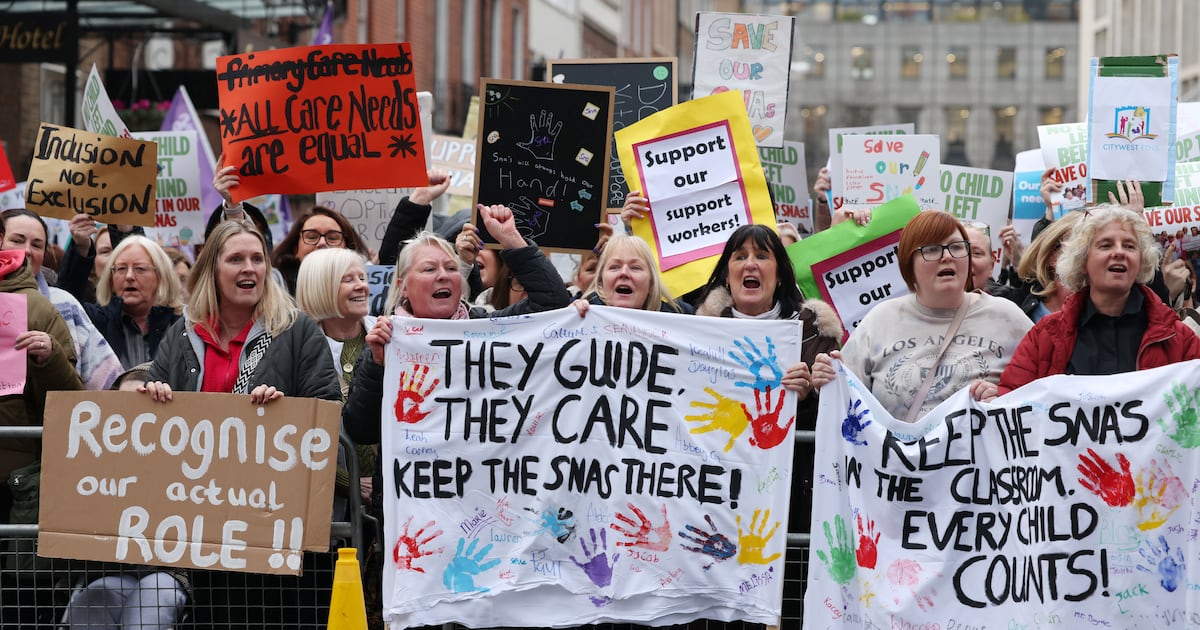
The number of primary school children requiring special classes will increase by almost one-third over the next 15 years, even with the number of enrolments expected to fall by about 6 per cent in the same period. A Department of Education demographic paper forecasts a rise in the number of pupils in special primary classes and schools, from about 25,100 in 2025/26 to nearly 33,400 by 2040/41.This is despite the fact the number of junior infant enrolments is set to fall from almost 59,000 to about 55,400 over the same period.The projections are part of an analysis for the department looking at demographic change and its implications for the school system in the run-up to 2050.READ MOREIt predicts Ireland’s population would continue growing, but with a smaller proportion of children and teenagers.[ The Irish Times view on Ireland’s education system: a detailed comparison with some surprisesOpens in new window ]The data illustrates the sharp rise in demand for special education that the department is having to plan for, with a drop in overall population numbers not relieving any pressure. There are almost 4,000 special classes across primary and post-primary schools in the State. This number has almost doubled over the past six years, starting at about 1,800 in 2020, as a rising number of children receive diagnoses.Source: Department of Education and Youth These classes are designed for children with special educational needs, including autism, and have a lower student-to-teacher ratio than mainstream classes. There are between six and eight pupils per teacher in a special class, compared to about 23 students per teacher in a mainstream class. These smaller class sizes and an increased demand for special places mean an overall fall in the number of students does not necessarily mean a corresponding fall in the number of teachers and special needs assistants required, or overall budget needed by the department to run Ireland’s schools.[ Special needs assistant workforce development plan to be brought to CabinetOpens in new window ]The demographic paper also shows the number of pupils entering first year of secondary school is expected to fall by about 17 per cent over the next 15 years, going from 72,800 in 2025/26 to just over 60,200 by 2040/41.The paper said about 25 per cent of the population was aged under 20 last year, but this would fall to about 18 per cent by the middle of the century. The proportion of people aged 65 and over is predicted to rise from about 16 per cent to 26 per cent during the same period.The analysis said future population growth would be “highly dependent on migration”. It said there had been “strong inward net migration” for the past decade which was “projected to remain high in [the] short-term, before falling long-term”.Source: Department of Education and Youth Asked about the projections, the Department of Education said it had a “robust, evidence-based forward planning process” for monitoring current and projected demand for school places.[ 461 school restraint incidents involving children with special needs since SeptemberOpens in new window ]A spokesperson said: “The data used to inform this analysis includes school enrolment data, Child Benefit data, census and CSO data, as well as information on planned residential developments.“Enrolment and child benefit data are updated annually and geocoded across approximately 19,000 small areas nationwide. This allows the department to analyse the population of schoolgoing children and the schools they attend at a highly detailed level.”Source: Department of Education and Youth It said demand for special education continued to rise and that plans were in place to support all children who had additional needs.“There are currently more special class places available than the number of children identified as needing them, although availability can vary from one area to another.”
Number of children needing special classes set to rise despite fall in overall enrolment
Full Article
Original Source
Read the full article at Irishtimes →KhanList aggregates and links to publicly available news content. We do not host full articles from third-party sources. Always verify important information with original sources.