The American Bureau of Shipping (ABS) has granted Approval in Principle (AIP) for a new conceptual design of a 15,000 TEU container ship powered by small modular reactors (SMRs). The Korea Research Institute of Ships & Ocean Engineering (KRISO) developed the project, which transitions nuclear propulsion technology from military vessels to civilian merchant shipping. “SMR- powered vessels are a next-generation technology that will determine the competitiveness of the future shipping industry, and securing design technology suitable for the marine environment is of the utmost importance,” said KRISO President Hong Ki-yong. The ship operates on a system powered by two marine Molten Salt Reactors (MSRs), which are a specialized category of Small Modular Reactors (SMRs). Unlike standard high-pressure water reactors, MSRs utilize liquid fuel salt that functions at low operational pressures. Balancing irregular propulsion demands This reduces the risk of sudden pressure drops or containment stress. These units supply steady thermal energy for long-range voyages without requiring refueling intervals for years at a time. Engineering the ship’s power plant required balancing irregular propulsion demands with a steady nuclear output. The design connects both MSR units to an integrated Energy Storage System (ESS) using a parallel power-sharing configuration. If one reactor requires maintenance or an output adjustment, the secondary reactor and the battery bank automatically stabilize the electrical grid. This setup prevents thermal cycling issues in the nuclear core while providing immediate electrical reserves for maneuvering. “To apply SMRs to ship propulsion systems, not only the safety of the reactor but also the structure and operational characteristics of the ship and the marine environment must be comprehensively considered,” explained Baek Bu-geun, the lead researcher at KRISO. Simulations using scaled models Engineers eliminated standard fuel oil storage tanks and exhaust funnels, converting that internal volume into usable container cargo space. The dual-reactor compartment sits dead center within the Neo-Panamax hull structure. Placing the heavy shielding and reactor components in the middle minimizes the physical stress caused by bending moments at sea and insulates the nuclear systems from external side-impact collisions. The crew quarters are moved forward to isolate personnel from the radiation profile of the reactor room. To verify how the physical reactor components would react to ocean dynamics, KRISO ran hydrodynamic simulations using scaled models inside a deep-sea engineering tank. The resulting data mapping guided the development of a streamlined hull capable of maintaining a steady 25-knot transit velocity, even when fighting heavy hull motions and wave resistance. This configuration is the product of a collaborative domestic engineering program. While KRISO and Samsung Heavy Industries focused on the ship’s internal layout, hydrodynamic balancing, and electrical control systems, the Korea Atomic Energy Research Institute (KAERI) engineered the specific MSR unit, designated “MARINA.” According to Baek Bu-geun, the next phase of development moves past the initial concept framework. The engineering teams will now begin basic and detailed structural mapping to resolve the physical interfaces between the reactor systems and the ship’s hull. Recommended ArticlesGet the latest in engineering, tech, space & science - delivered daily to your inbox.An active and versatile journalist and news editor. He has covered regular and breaking news for several leading publications and news media, including The Hindu, Economic Times, Tomorrow Makers, and many more. Aman holds expertise in politics, travel, and tech news, especially in AI, advanced algorithms, and blockchain, with a strong curiosity about all things that fall under science and tech.
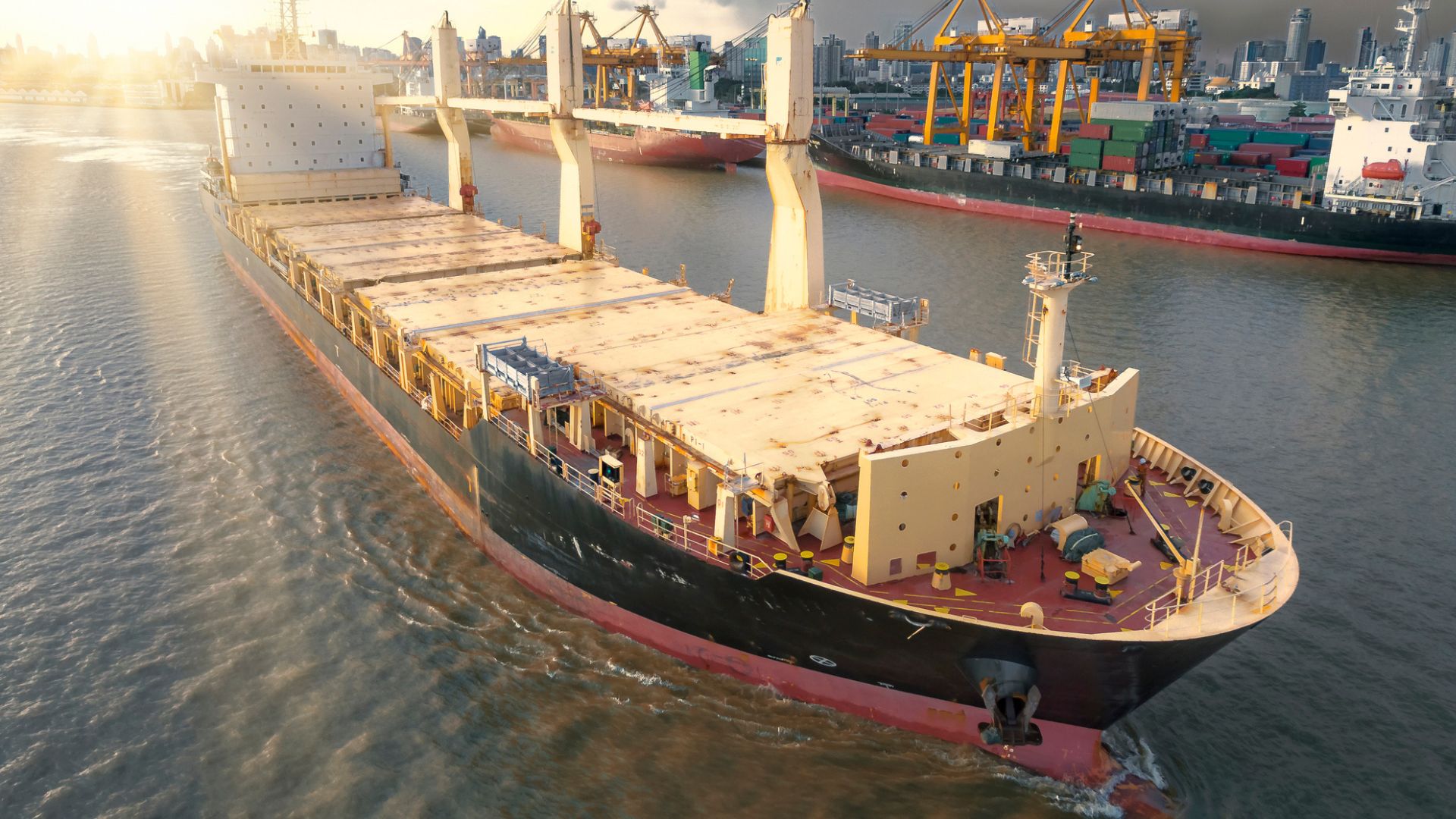
Nuclear-powered ship design with dual molten salt reactors wins approval from US body
Full Article
📰 Original Source
Read full article at Interestingengineering →KhanList aggregates and links to publicly available news content. We do not host full articles from third-party sources. Always verify important information with original sources.