
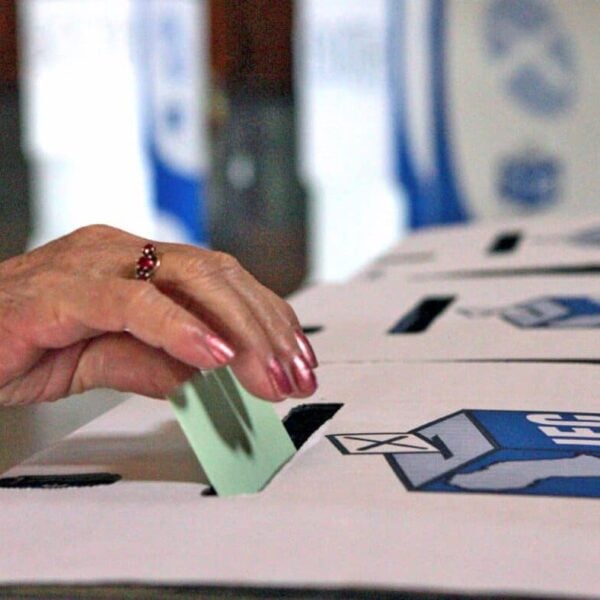
Welcome to the ultimate crash course on voting! If you are confused on what to do on voting day this guide is for you. Welcome to the ultimate crash course on voting! If you’ve ever felt confused by ballots, wards, or what your local municipality actually does, this guide is for you. What are we actually voting for? Unlike national elections (where we vote for a President and Parliament), local government elections are all about your backyard. LIVE interactive map, latest news, multimedia and more! View Map You are electing local councillors and political parties to run your municipality (your local city, town, or district council). Why it matters: Your local municipality is responsible for things that affect your daily life: fixing potholes, collecting rubbish, ensuring clean running water, managing electricity supply, and maintaining local parks. The checklist Before heading out to cast your ballot, make sure you have your essentials sorted: When: Wednesday, 4 November. Voting stations are open from 7am to 9pm. Where: You must vote at the specific voting station where you are registered. If you are unsure where that is, you can check online via the IEC Voting Station Finder, or alternatively SMS your ID number to 32810 to check your status. What to bring: Your South African green barcoded ID book, smart ID card, or a valid temporary ID certificate. (No ID, no vote). Understanding your ballots When you walk into your voting station, have your ID checked and get your thumb inked; you will then be handed ballot papers. Depending on where you live, most voters will receive two ballots (and in some areas outside metros, a third for district councils): Ballot 1: The ward ballot (your local representative): What it looks like: Features a list of names of individual candidates (who may belong to a political party or run as independents). What you do: Put one cross (X) next to the candidate you want to represent your specific geographic area (your ward). Why it matters: This person is your direct line to the council. If your streetlight breaks or sewage overflows, this is the person you call. Ballot 2: The proportional representation (PR) Ballot (the party vote): What it looks like: Features a list of political parties, their logos, and sometimes the faces of party leaders. What you do: Put one cross (X) next to the political party you want to see running your overall municipal council. Why it matters: This ensures that seats in the council are distributed fairly based on the total percentage of votes each party gets. How to make your mark (correctly!) Use the voting pen provided in the booth. Clearly place one cross (X) inside the blank box next to your chosen candidate or party on each ballot paper. Do not write anything else, draw funny pictures, or make marks outside the boxes, or your ballot will be spoiled (disqualified). Fold your ballot papers so your choice is hidden, drop them into the correct ballot boxes, and you’re done! What happens after you vote? Once the polls close at 9pm, IEC staff count the votes there at the voting station under the watchful eyes of party agents and independent observers. Results are audited and uploaded to the IEC National Results Operations Centre, where you can watch live leaderboards. If no single party wins an outright majority (50%+1) in your town or city, parties will negotiate to form a coalition government to run the municipality. Democracy isn’t a spectator sport; your vote is your voice on local service delivery. Make it count on 4 November!
Not sure what to do at the voting station and beyond? Here’s a beginner’s guide to elections
Full Article
Original Source
Read the full article at Citizen →KhanList aggregates and links to publicly available news content. We do not host full articles from third-party sources. Always verify important information with original sources.