
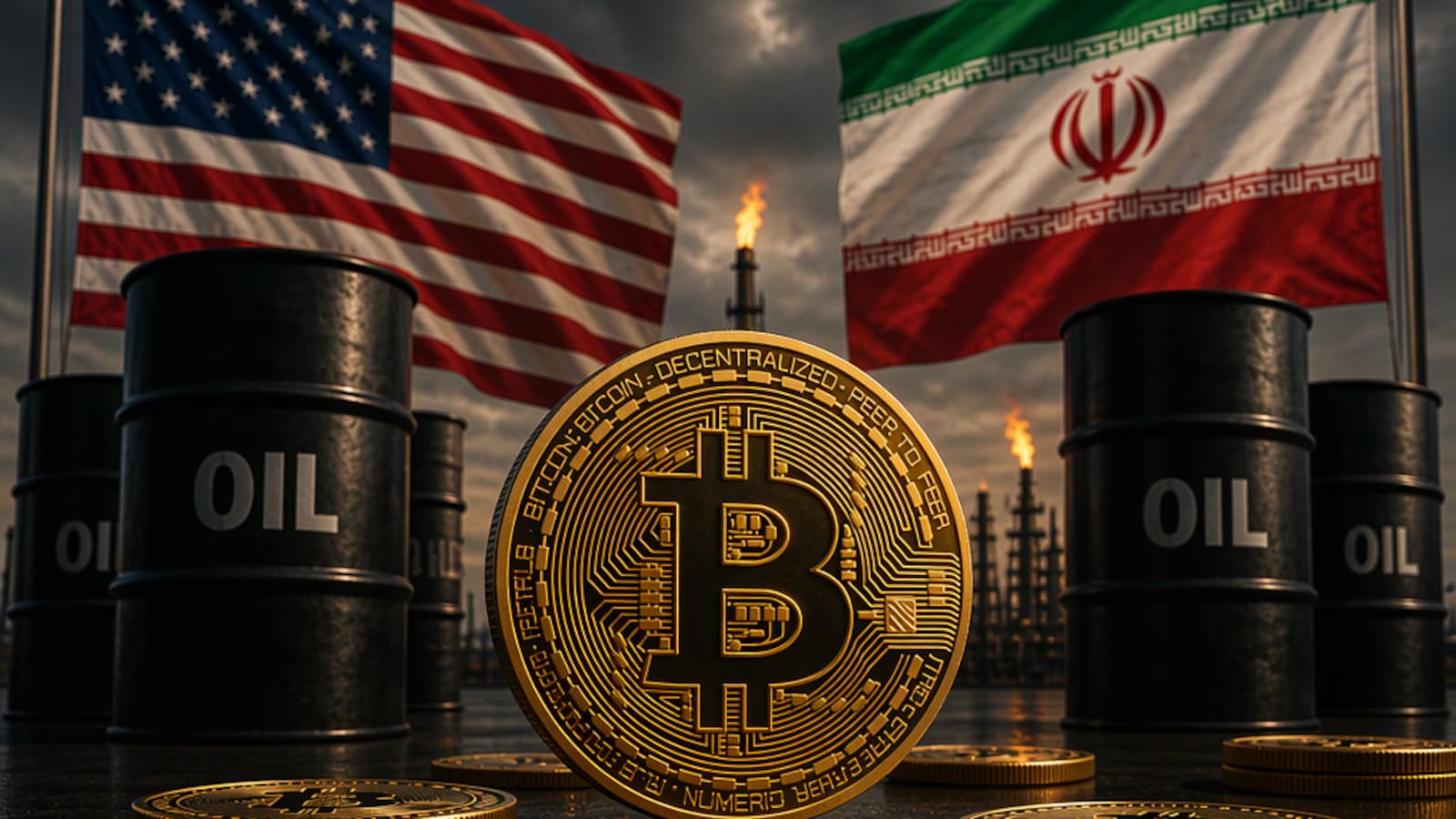
The impact of US-Iran tensions is extending beyond the oil market. Bitcoin, often discussed as an alternative store of value, is also reacting to geopolitical uncertainty as investors weigh the risks of rising crude oil prices, inflation and tighter monetary conditions.For Indian cryptocurrency investors, the link between developments in the Middle East and digital asset prices is becoming increasingly important. A spike in oil prices can influence inflation expectations and interest rate decisions, potentially affecting demand for riskier investments such as cryptocurrencies.Vikas Gupta, Country Manager - India at Bybit, told NDTV that global developments, including US-Iran tensions and movements in crude oil prices, are becoming increasingly relevant to understanding Bitcoin's price movements and broader cryptocurrency market sentiment.Also Read | Layoffs Are Rising In Tech, But These Skills Are Helping People Unlock Better Pay"While geopolitical uncertainty can trigger short-term volatility, it also highlights how digital assets are becoming more integrated with global financial markets and responding to macroeconomic developments," Gupta said.How Rising Oil Prices Can Affect BitcoinThe connection between crude oil and Bitcoin is not always direct. However, a sustained rise in oil prices can set off a chain of events that affects cryptocurrency markets.Higher oil prices can increase transportation, manufacturing and energy costs. This may push inflation higher or delay expectations of interest rate cuts by central banks. If borrowing costs remain elevated and financial conditions tighten, investors may become less willing to take risks.Bitcoin can come under pressure in such an environment, particularly when investors reduce their exposure to volatile assets. However, the relationship is not automatic. Bitcoin's price also depends on market liquidity, investor positioning, institutional flows and other factors specific to the cryptocurrency market.The Strait of Hormuz is particularly important in this context. According to the International Energy Agency, around 20 million barrels of oil per day, equivalent to approximately 25 per cent of global seaborne oil trade, passed through the strategic waterway in 2025.Any disruption to these flows can fuel concerns about oil supply and prices, with potential consequences for the global economic outlook and financial markets.Why Bitcoin May Not Always Act As A Safe HavenBitcoin is often described by its supporters as a potential long-term store of value. But its behaviour during periods of geopolitical stress can be different.When uncertainty rises, investors may prioritise liquidity and reduce exposure to assets that can experience sharp price swings. Bitcoin can therefore behave like other risk-sensitive investments rather than offering immediate protection against market turmoil.On October 12 alone, Bitcoin fell approximately 1.3 per cent to $82,554 as oil prices climbed above $106 per barrel amid geopolitical concerns. The move illustrated how developments in energy markets and global risk sentiment can coincide with pressure on cryptocurrency prices.However, a single day's movement does not establish a direct causal relationship between oil prices and Bitcoin. Market conditions and other developments can also influence prices.Gupta said Bitcoin's response to geopolitical uncertainty depends on several factors, including prevailing market conditions, liquidity and institutional investment flows. He also pointed to the gradual development of the broader digital asset ecosystem, with improvements in market infrastructure and access to information helping participants better understand market activity.What Should Indian Crypto Investors Watch?For Indian investors, tracking Bitcoin solely through its daily price movements may offer an incomplete picture. Global economic developments can provide important context for understanding why the cryptocurrency market is moving. Four factors deserve attention:Crude oil prices: A sustained rise can increase inflation concerns and affect the global economic outlook.Central bank policies: Changes in interest rate expectations can influence the attractiveness of riskier assets.Market liquidity: Tighter financial conditions may reduce investors' willingness to take risks.Institutional investment flows: Changes in large investors' exposure can influence demand and price movements in digital assets.These factors do not predict Bitcoin's next move with certainty. They can, however, help investors distinguish broader market pressures from developments specific to cryptocurrencies.Gupta said volatility remains an inherent feature of cryptocurrency markets, making investor education and informed decision-making essential. He advised investors to understand their risk tolerance, avoid impulsive reactions to headlines and make decisions in line with their financial goals.
Not Just Oil, US-Iran War Is Hitting Bitcoin Too. What Investors Must Know
Full Article
Original Source
Read the full article at Ndtv →KhanList aggregates and links to publicly available news content. We do not host full articles from third-party sources. Always verify important information with original sources.